Experiential Fieldwork in Landscape Architecture Education
ABout the Author/s


Apprendre par le paysage : l’apprentissage expérientiel sur le terrain dans l’enseignement de l’architecture du paysage
Cet article réflexif retrace les origines et le développement du studio de troisième année de l’Université de Pretoria, intitulé Travail de terrain en milieux naturels (Field Work in Natural Environments), à travers le prisme de l’apprentissage expérientiel du paysage. Il revient sur les expériences formatrices de l’auteur en tant qu’étudiant en architecture du paysage à l’Université de Toronto, au milieu des années 1970, où la découverte des écrits de Lawrence Halprin et les méthodes pédagogiques immersives fondées sur l’apprentissage sur le terrain ont façonné une philosophie éducative durable. S’appuyant sur les ateliers Experiments in Environment de Halprin et les principes exposés dans The RSVP Cycles, l’article examine comment ces idées ont ensuite été réinterprétées et adaptées aux paysages écologiques et culturels de l’Afrique australe.
La réflexion met en regard l’approche de Halprin, axée sur le mouvement, la perception sensorielle, la collaboration et les interventions temporaires, avec le programme de terrain de l’Université de Pretoria, qui aide les étudiants à comprendre le paysage par l’observation directe, l’expérience vécue, l’exploration créative et le développement d’un sens du lieu. Tout en reconnaissant l’influence de Halprin, l’article soutient que le programme de Pretoria a évolué vers une approche pédagogique spécifiquement africaine, articulant la connaissance des systèmes écologiques, l’approche phénoménologique et la signification culturelle.
Dans un contexte où l’enseignement du design est de plus en plus dominé par les technologies, l’article réaffirme l’importance durable de l’immersion sur le terrain pour développer les capacités d’observation, l’empathie, l’imagination et la responsabilité environnementale. Il conclut qu’un enseignement véritablement pertinent de l’architecture du paysage ne commence pas dans l’atelier, mais dans le paysage lui-même, où l’expérience constitue le fondement d’une conception réfléchie et responsable.
This reflective article traces the origins and development of the University of Pretoria's third-year studio, Field Work in Natural Environments, through the lens of experiential landscape education. It recounts the author's formative experiences as a landscape architecture student at the University of Toronto in the mid-1970s, where encounters with Lawrence Halprin's writings and immersive, field-based teaching shaped a lasting educational philosophy. Drawing on Halprin's Experiments in Environment workshops and the principles set out in The RSVP Cycles, the article considers how these ideas were later reinterpreted and adapted to the ecological and cultural landscapes of southern Africa. The discussion contrasts Halprin's focus on movement, sensory awareness, collaboration and temporary interventions with the University of Pretoria's field programme, which helps students understand landscape through direct observation, lived experience, creative exploration and a developing sense of place. While recognizing Halprin's influence, the article argues that the Pretoria programme developed into a distinctly African pedagogical approach that brings together ecological literacy, phenomenological inquiry and cultural meaning. Against the backdrop of an increasingly technology-driven design education, the article reaffirms the enduring importance of immersive fieldwork in cultivating observation, empathy, imagination and environmental stewardship. It concludes that meaningful landscape architectural education begins not in the studio but in the landscape itself, where experience forms the foundation for thoughtful and responsible design.
“Moving along the upward spiral requires us to learn, commit, and do on increasingly higher planes. We deceive ourselves if we think that any one of these is sufficient. To keep progressing, we must learn, commit, and do—learn, commit, and do—and learn, commit, and do again.”
— Covey (2004, p. 306)
There are moments in an educator's life when one recognises that the origins of a teaching philosophy were planted decades earlier, often unknowingly. Looking back over more than thirty years of teaching landscape architecture at the University of Pretoria, I have come to realise that the fourth-year (and subsequently third-year) landscape architecture fieldwork programme was not simply a curriculum innovation of my own making. Rather, it was the culmination of ideas and experiences that began during my years as a landscape architecture student at the University of Toronto in the mid-1970s, inspired by Lawrence Halprin's writings and educational philosophy.
This distinction has become increasingly important to me. Landscape architecture education necessarily involves ecological, technical, cultural, spatial and design knowledge. Yet knowledge about landscape is not the same as knowledge gained through being in landscape. The latter is embodied, situated and experiential, developing through attention, movement, sensory perception, interpretation, action and reflection. The learning environment had to move out of the studio and into nature.
This understanding eventually informed my fieldwork programme at the University of Pretoria.
From Halprin to the University of Toronto
Like many students of my generation, I regarded Halprin as one of the great pioneers of landscape architecture. His projects showed that landscapes could be dynamic, social, and ecological at once, but his writings on design process and experimental educational workshops left the deepest impression on me. They suggested that before one could design a landscape, one first had to learn how to experience it.
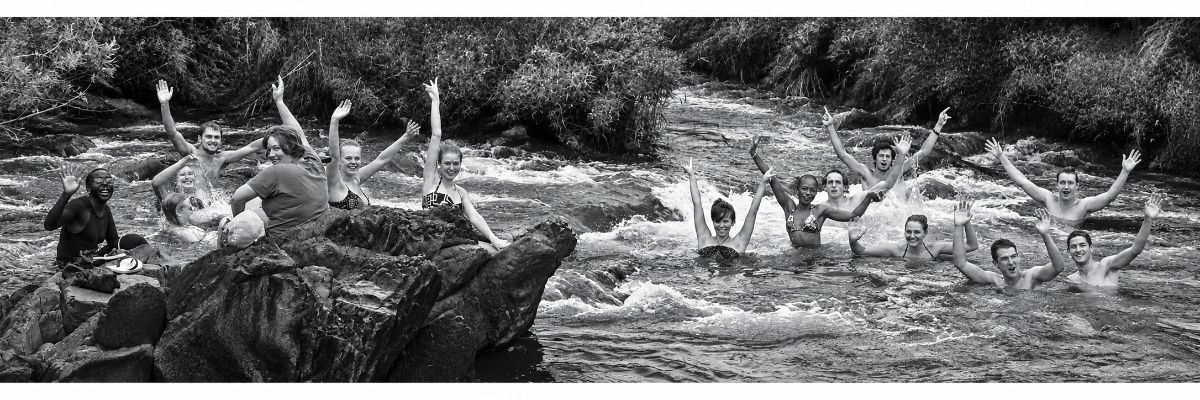
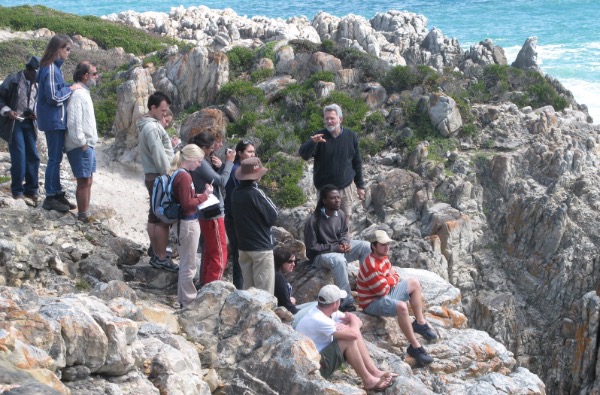
At the University of Toronto, my first-year lecturers embraced a similar philosophy. We were not confined to lecture theatres or drawing studios; we were taken into forests and wilderness areas to observe, walk, listen, sketch, and simply be present. These were not conventional field trips intended merely to identify vegetation or landforms. They were opportunities to experience landscape through the body and the senses.
Standing beneath autumn maple forests, listening to gurgling streams, feeling granite outcrops and observing changing light, we learned that landscapes reveal themselves gradually. Their essential qualities cannot be understood entirely from maps, aerial photographs or technical surveys. They emerge through immersion.
In retrospect, these experiences represented a particular pedagogical position: direct encounter with landscape is not supplementary to design education but foundational. Nearly eighteen years after graduation, when I began teaching at the University of Pretoria, I recognised an opportunity to translate those formative experiences into a field-based educational programme suited to our southern African landscapes.
Experiments in Environment
The resulting landscape architecture fieldwork programme became a defining component of our fourth-year design curriculum. While shaped by South African landscapes and local pedagogical objectives, its underlying philosophy owed much to Halprin's experiential learning traditions.
Halprin's Environment workshops at Sea Ranch broke new ground in design education. Collaborating with his wife, dancer and choreographer Anna Halprin, he assembled architects, landscape architects, dancers, artists, psychologists, and students to experience the landscape through movement, collaboration, and sensory awareness. Instead of starting with drawings (typical in studio settings), participants engaged directly with the landscape.
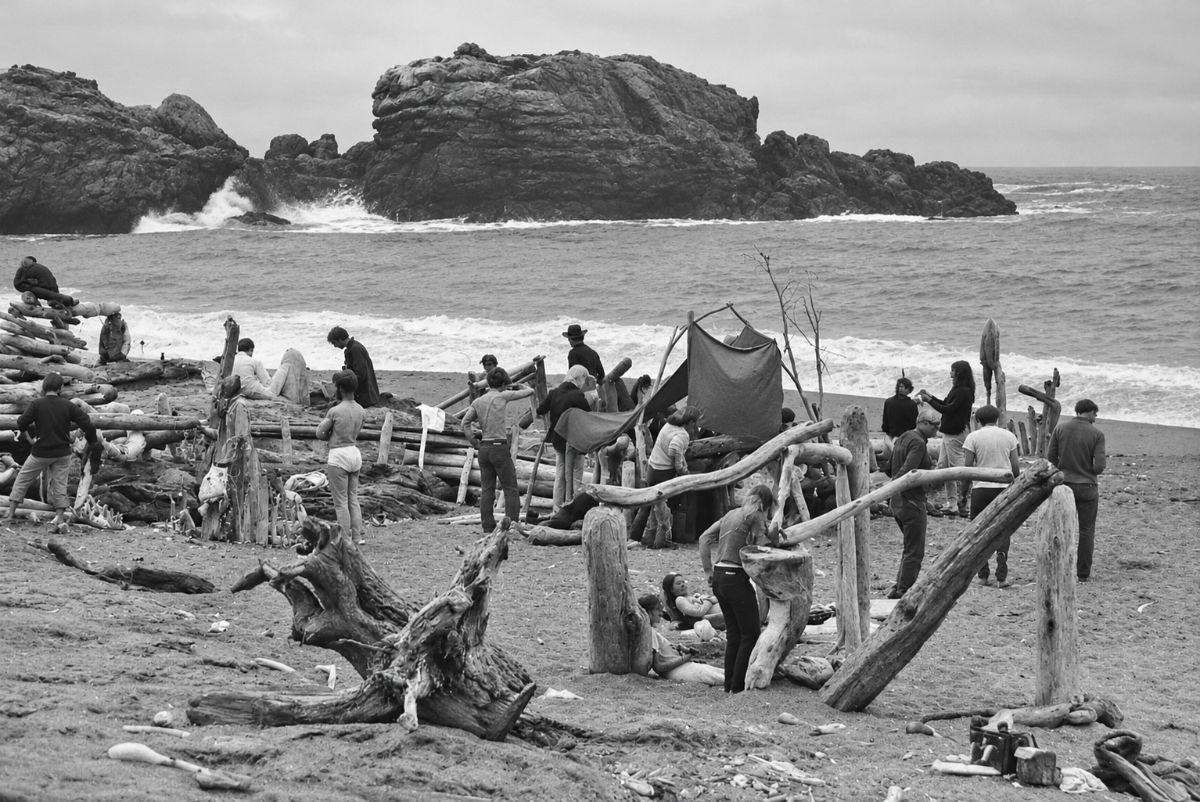
Blindfold walks heightened awareness of texture, sound, temperature and smell. Movement exercises explored how landforms influenced bodily motion. Temporary structures made from driftwood transformed the beach into an experimental design studio. Reflection and discussion followed each exercise, transforming experience into understanding.
Halprin's RSVP Cycles: Creative Processes in the Human Environment (1969) described design as an iterative cycle involving Resources, Scores, Valuaction, and Performance. Instead of offering fixed solutions, the designer fosters an environment for discovery. These concepts closely aligned with my personal experience and offered a structure that prioritises experience over abstraction.
A curriculum transition: from analysing sites to experiencing places
While developing the programme, I addressed a tension in landscape architecture education. Students had become highly skilled at analysing sites using drawings, plans, photographs, mapping, and technical data, and were getting stuck in this process. This risked making landscape something to observe from afar rather than experience firsthand.
The programme sought to reposition the learning sequence. Instead of beginning with, “What can be measured or mapped here?”, students were first encouraged to ask, “What is it like to be here?”
This did not mean abandoning conventional site analysis. Rather, analysis was placed within a broader process of encounter, interpretation and meaning. Students moved progressively from observation, to experience, to interpretation, and finally to design exploration. The outings into the natural environment therefore developed another form of knowledge: situated, sensory, and embodied.
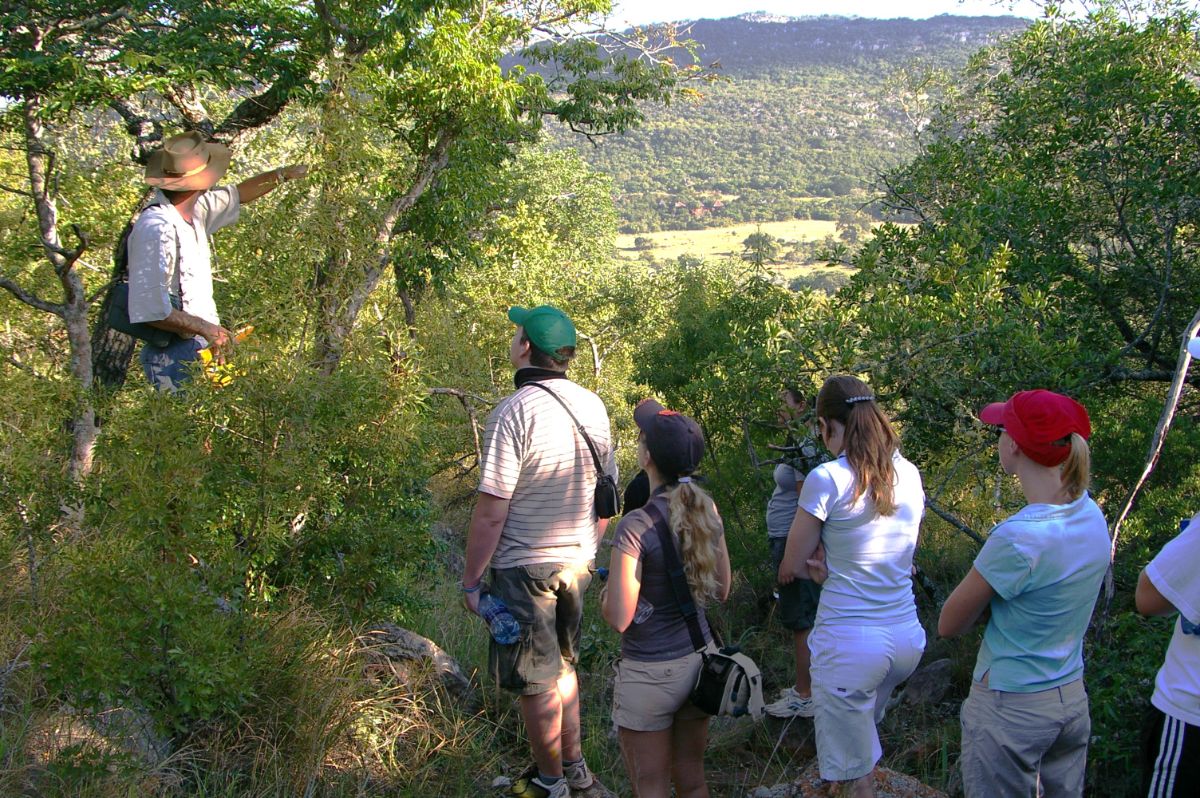
Learning through physical engagement and intervention
An important clarification: the fieldwork was not, in the end, primarily an exercise in drawing, as it would be in the design studio. Although drawing can be a valuable way to record landscape, the intention was more fundamental: to develop the student's capacity to read a landscape through direct physical engagement.
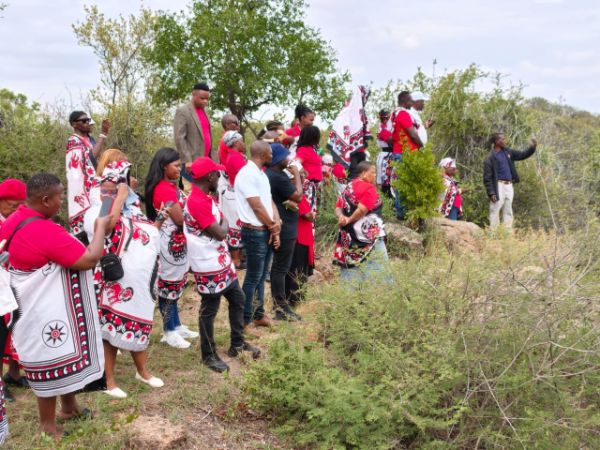
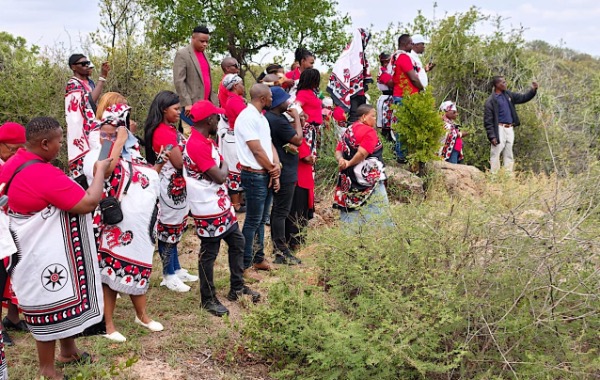
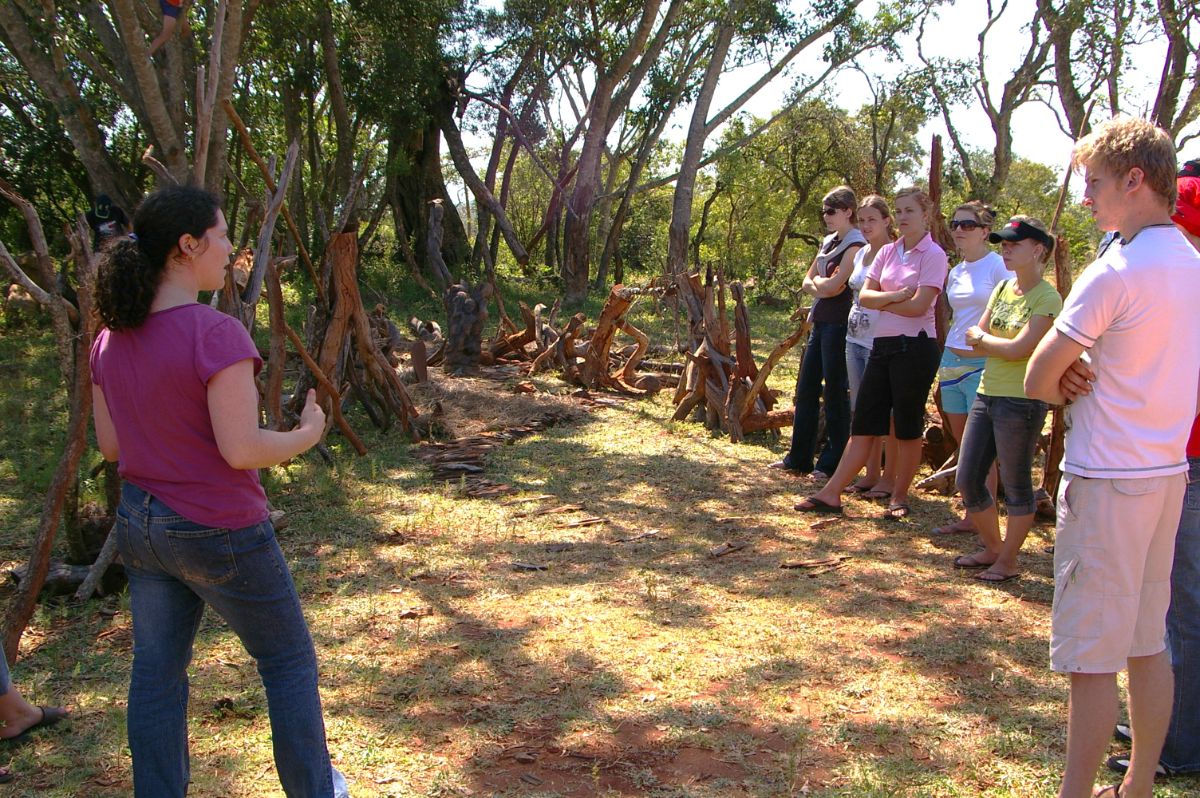
The first task was simply to be present. Students moved through the environment, observing natural processes and spatial relationships and becoming attentive to the cues offered by the site. These might be physical—a change in terrain, wind direction, vegetation, a stone or fallen branch—or experiential, such as enclosure, exposure, movement, tension, balance or stillness.
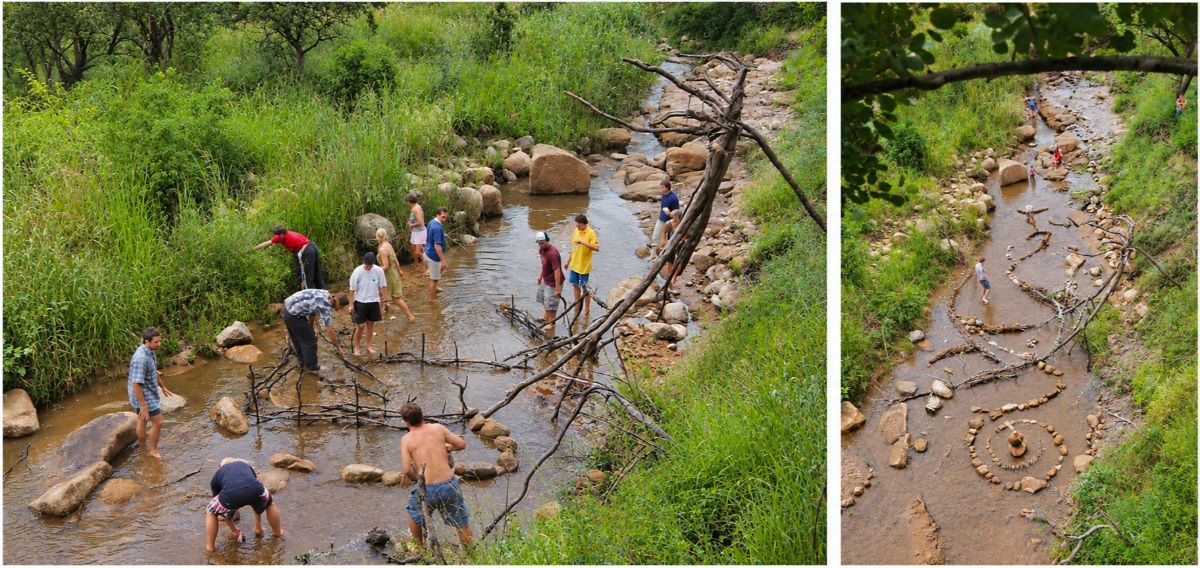
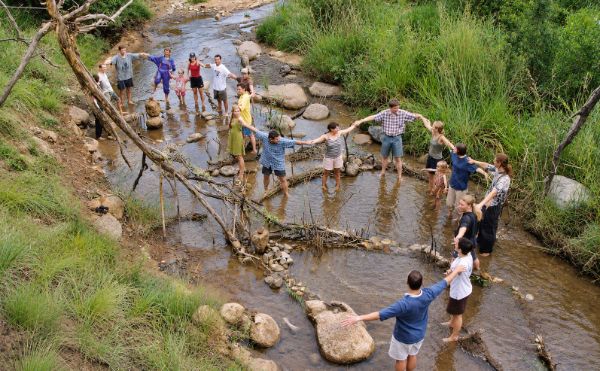
Only after this observation period could students begin to intervene. The intervention exercise established simple but rigorous rules. Students could place objects in response to natural elements or to the interventions—the “statements”—made by other students. Once placed, another student could not remove, move, or alter an object. Students had to respond through addition. Crucially, students were not permitted to communicate verbally. They could not explain their intentions or negotiate through language. They had to communicate through action and through the landscape itself. An intervention became a statement; a subsequent intervention became a response. The exercise became a form of non-verbal spatial conversation. The prohibition on removing or altering another's intervention required students to accept what had already occurred and work with it rather than against it. Design became an accretive process, with each action establishing a new condition for the next response. The exercise therefore moved beyond conventional site analysis. Students were learning to respond to cues—first those provided by the natural environment and then those generated through collective action.
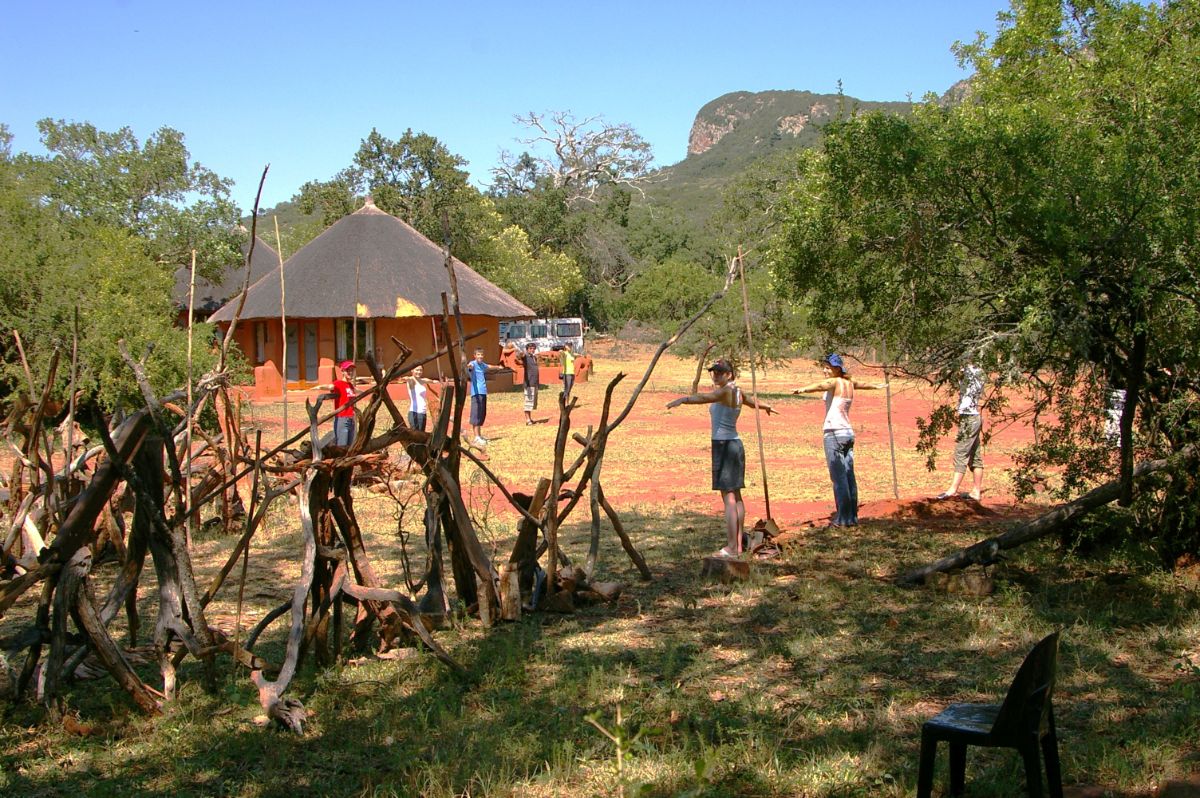
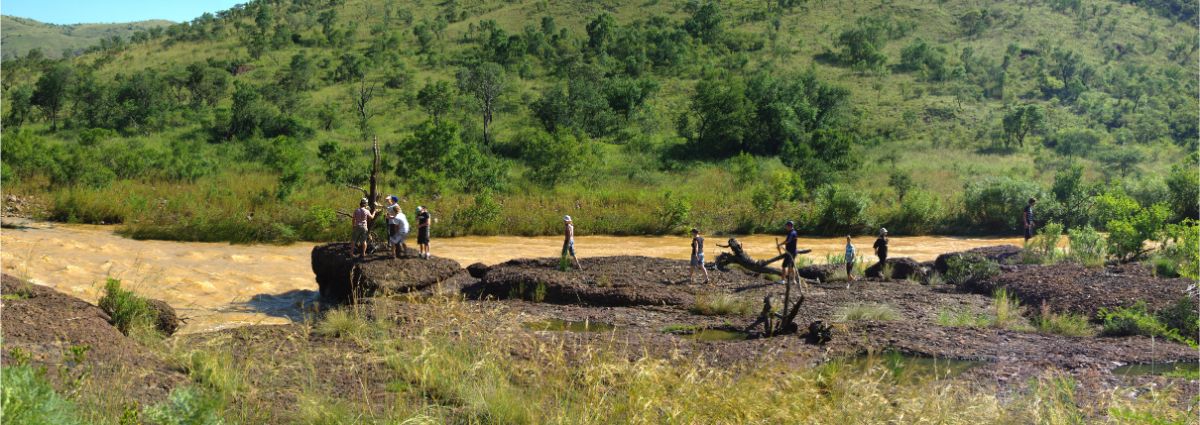
This introduced an important distinction between being responsive and merely being reactive. A reaction may be immediate; a response requires attention to what has already occurred. Students had to observe and interpret before deciding whether and how to intervene. At the same time, the interventions were expressive. They did not have to reproduce the landscape, but could reveal, emphasise, frame, contrast with or amplify qualities already present. i.e. if a student chooses a rock as part of their intervention, but finds a creature living under it, they have to replace it as they found it and not use it. The landscape thus became both teacher and medium. The natural environment provided the initial conditions. Students responded physically. Their interventions became new conditions for the next participant:
observe → interpret → intervene → observe again → respond → intervene again.
The lesson was simple: before intervening in a landscape, learn to listen to it; and once an intervention has been made, learn to listen to what it has changed. This cycle closely parallels the iterative character of Halprin's RSVP process. Learning does not end when an exercise is complete; each experience changes how you encounter the next landscape.
From observation to meaning
The fieldwork extended beyond immediate sensory experience. Once the interventions were complete, students were encouraged first to describe what they encountered, then to reflect on how they experienced it, and finally to interpret what made the place distinctive.
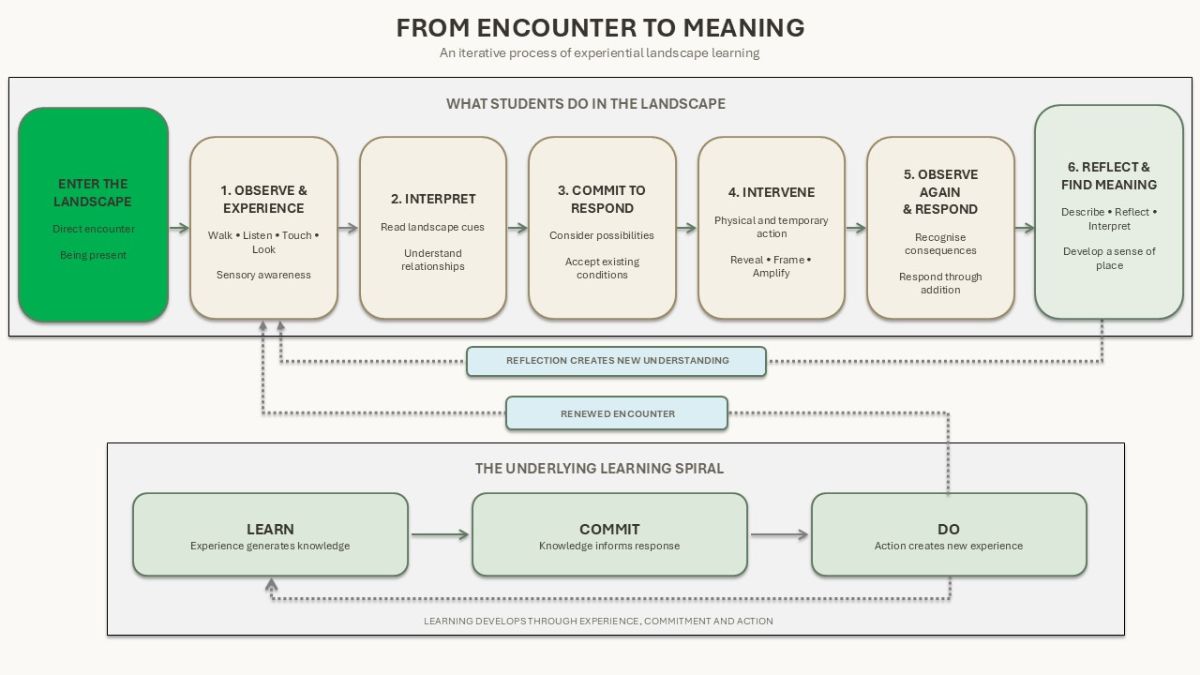
This progression from observation to experience and meaning reflects a phenomenological understanding of landscape. Landscape is not merely physical form but lived experience, shaped by ecological processes, cultural history and human perception. This was important in teaching students about sense of place. Sense of place cannot simply be extracted from a site as a measurable attribute. It emerges through relationships between physical characteristics, human experience, memory, cultural association and action.The fieldwork programme can therefore be understood as an iterative process of experiential learning, moving from direct encounter with the landscape to observation, interpretation, physical intervention and reflection. Importantly, this is not a linear progression with a predetermined outcome. Each intervention changes the landscape's conditions and creates new opportunities for observation, response, and understanding.
Learning, committing, doing
Covey's opening quotation has acquired particular significance for me. “Learn, commit, and do” describes both an educational process and the ongoing development of a landscape architect. It also bridges Halprin's RSVP Cycles and the pedagogy that emerged from the University of Pretoria’s landscape architecture fieldwork programme. Learning leads to commitment; commitment leads to action; action produces new experience; and that experience creates the conditions for further learning.
Thus, learn → commit → do is not a sequence with a final destination. It is a recurring spiral.
Students learn by entering the landscape attentively. They then commit themselves to responding to what they have encountered, accepting both the conditions of the site and the consequences of their own actions. Finally, they do: they act through physical intervention. Yet doing is not the end. The action changes the situation, creating something new to observe and interpret. Another cycle begins.
This is where the connection with Halprin's RSVP Cycles becomes particularly meaningful. Resources are encountered; possibilities for action emerge; responses and judgements develop; performance produces new conditions from which the process continues. The programme was therefore more than an exercise in experiential education. It was an attempt to initiate students into a way of practising landscape architecture in which experience generates knowledge, knowledge informs action, and action generates new experience. The diagram below summarises these processes and their underlying relationship between learning, commitment and action.
The Ritual assignment
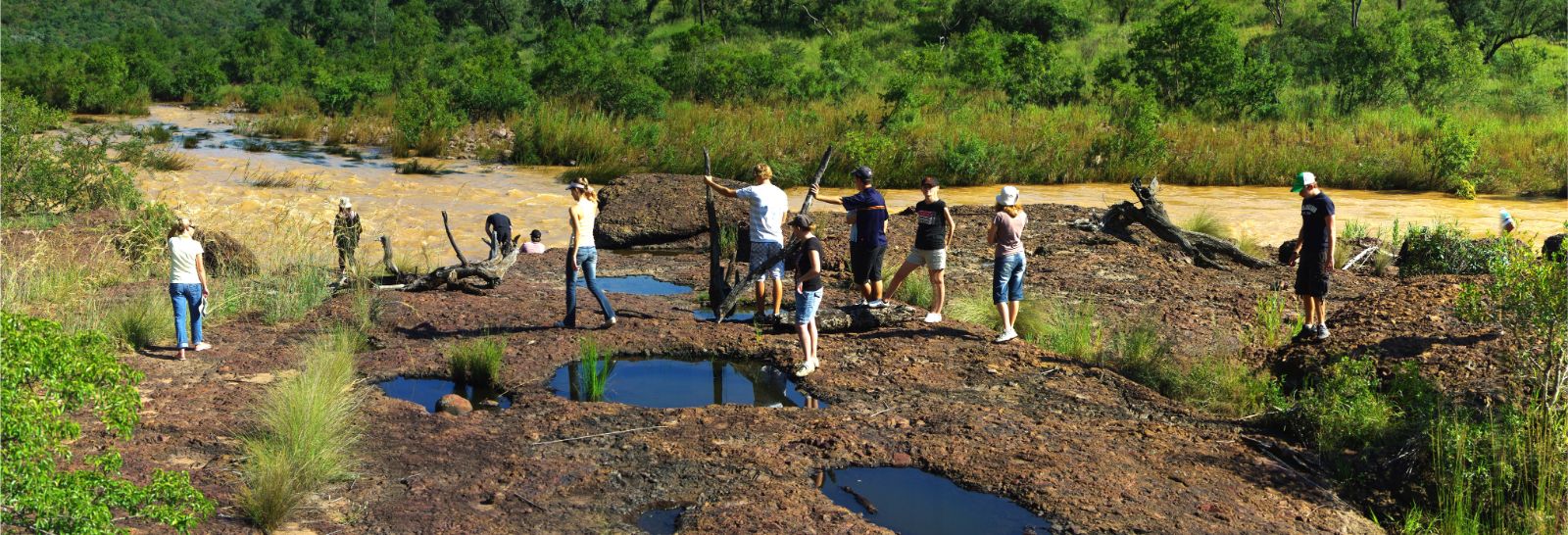
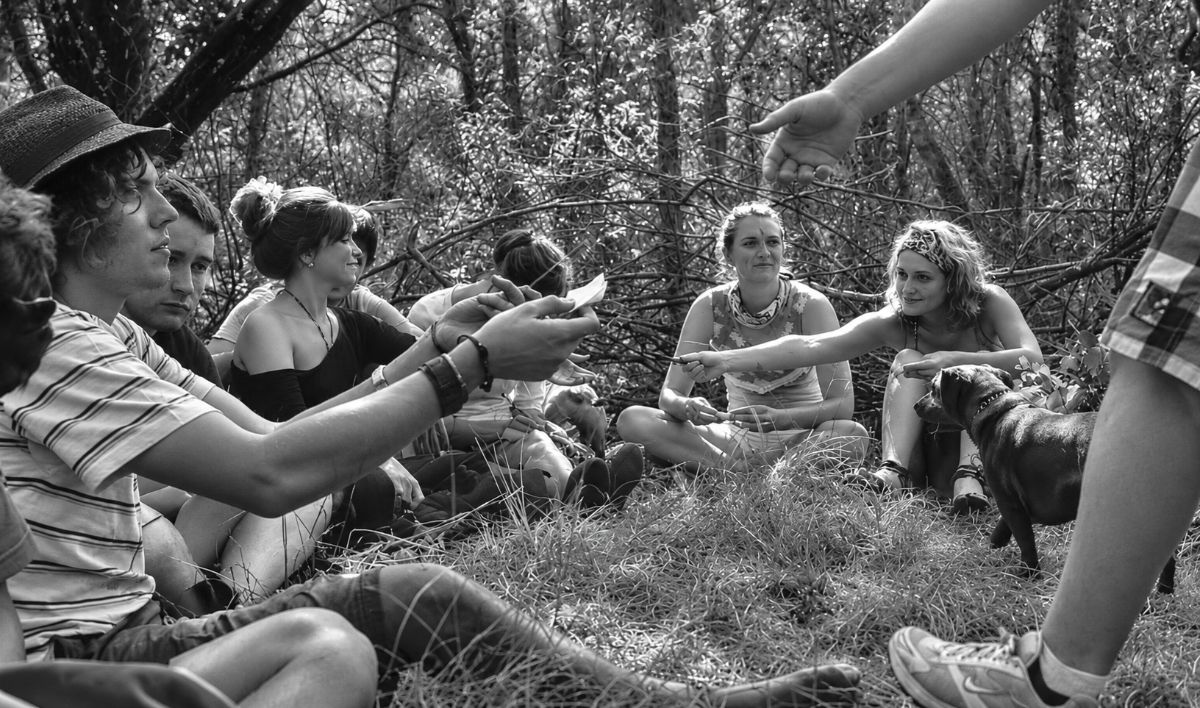
I used the same approach for the Ritual assignment, which I introduced later. Student groups created symbolic rituals and built temporary settings in natural environments to perform them. Some rituals were simple, like brewing special coffee on a mountain trail, while others were more meaningful, such as acknowledging and releasing an unwanted trait by symbolically throwing it into the river on a rock. Every intervention disappeared shortly afterwards, leaving little trace except memory. This impermanence was deliberate. Students confronted the difference between designing for a landscape and designing with a landscape. The exercises suggested that landscape architecture is not always about adding permanent physical objects. Sometimes the designer's role is to reveal relationships, frame an experience, establish conditions for occupation or allow an event to occur.
The teacher-practitioner
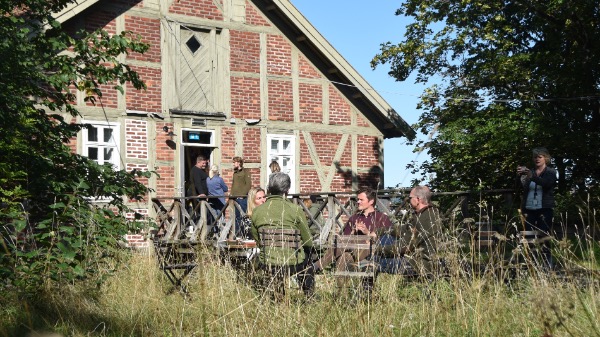
The pedagogical methods described above developed alongside my experience as a practising landscape architect. Professional practice exposed me to ecological systems, cultural histories, patterns of occupation, technical constraints and changing meanings. Teaching required me to articulate processes that professional practice can sometimes leave implicit. The field programme became a place where these worlds could meet. The teacher-practitioner brings not simply theoretical knowledge but an accumulated understanding of how landscapes behave, how projects alter them, and how apparently minor design decisions can have significant spatial and cultural consequences. Teaching is therefore not simply transmission from teacher to student. It is reciprocal. The field becomes a shared environment of enquiry.
From California and Canada to landscapes of Southern Africa
The similarities between Halprin's workshops, Covey’s assertion about learning, and the University of Pretoria programme are striking. All rejected passive observation in favour of active participation, treated movement as fundamental to understanding landscape, encouraged temporary interventions, and valued collaboration. Yet the Pretoria programme developed its own identity, as any programme elsewhere in the world would. What began as inspiration gradually became transformation: ideas travelled from California to Canada and from Canada to South Africa, gaining new relevance in different environmental and cultural contexts.
The analogue field in a digital age
The argument for immersive fieldwork has become more important as landscape architectural education has become increasingly technological. GIS, remote sensing, photogrammetry, LiDAR, digital visualisation and artificial intelligence have transformed our ability to analyse and represent landscape. These technologies are invaluable. The question is not whether to use digital tools, but what kinds of knowledge they cannot provide on their own. A digital model can describe topography with extraordinary precision, but cannot communicate the smell of rain on dry grassland. A satellite image can reveal vegetation patterns but cannot reproduce the sound of wind through vegetation. A three-dimensional model can simulate visibility but cannot fully communicate the bodily experience of walking through a landscape.
This does not make analogue experience superior to digital knowledge. The two are complementary. The challenge is to prevent technological mediation from becoming a substitute for physical encounter.
• The site should still be visited before it is modelled.
• The landscape should still be walked before it is mapped.
• The horizon should still be observed before it is rendered.
The field becomes a counterpoint to digital abstraction—not an escape from technology, but a way to keep it grounded in lived reality.
Why immersive fieldwork still matters
Immersive field education develops forms of knowledge difficult to acquire in the classroom alone. It develops observational acuity, because students learn to notice subtle differences and changes; ecological literacy, because processes become directly observable; spatial intelligence, because students experience scale, sequence, enclosure, exposure and movement bodily; and creative confidence, because students experiment without the pressure of producing a technically resolved design. Knowing a landscape only as information differs from knowing it through experience. Repeated encounters create familiarity; familiarity can develop attachment; attachment can encourage responsibility. The educational objective is therefore not simply to produce students who analyse landscapes more effectively, but landscape architects who understand why landscapes matter.
Conclusion
If there is one lesson I have carried with me throughout my career, it is this: landscape architects must first learn to be participants in landscapes before they presume to design them.
My years at a Canadian university first introduced me to this idea. Encountering Lawrence Halprin’s work and thinking transformed the idea from an intuitive understanding into a deeper pedagogical and philosophical position. At the University of Pretoria, the fieldwork programme became my way of testing, developing and passing that lesson on to successive generations of students. But this is not a nostalgic argument for returning to an earlier way of teaching. It is an argument for reclaiming something essential at a time when landscape architecture education has access to technologies that can represent, analyse, simulate, and manipulate landscape with extraordinary precision. The challenge is not to reject these technologies. They are powerful and increasingly indispensable. The challenge is to ensure that they do not become a substitute for encounter—that they do not sever the connection between representation and reality, digital model and physical place, information and experience. Landscape architecture is, ultimately, a discipline of place. And place cannot be fully understood from a screen, a plan or a model. It must be encountered. To understand a landscape requires more than seeing it. It requires walking it, listening to it, touching it, observing its rhythms and relationships, responding to its cues, making within it, imagining its possibilities and reflecting on what those encounters reveal.
It requires being there.
For me, that is fieldwork's enduring value. It teaches the landscape architect not simply how to analyse a place, but how to enter into a relationship with it—to listen before imposing, to understand before intervening, and to allow experience to inform action. Perhaps this is the most important lesson we can give our students: before designing the landscape, experience it; before intervening, learn to listen; and before seeking to change it, learn what it is asking of you.
The classroom, after all, has always been waiting outside.