Editorial
ABout the Author/s


Welcome to the twelfth issue of the African Journal of Landscape Architecture. In this issue, we explored the roles academia and practice play in creating landscape architecture across geographies and cultures on the continent. We examine the role of teacher-practitioners in bridging theory and practice through a continuous exchange necessary for the discipline's progress. Teaching makes tacit decisions explicit, while practice tests the decisions against practical realities. Together, teaching and practice turn experience into a wealth of cumulative knowledge, providing a robust foundation for the discipline of landscape architecture in Africa. In this issue, twelve authors from across Africa and beyond, in the mould of a reflective practitioner, take us through reflection and exchange, from practice to studio and back to practice.
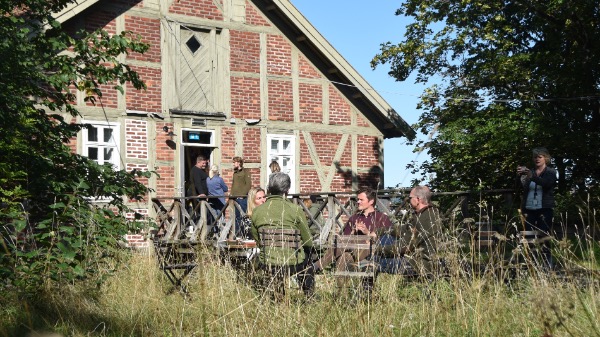
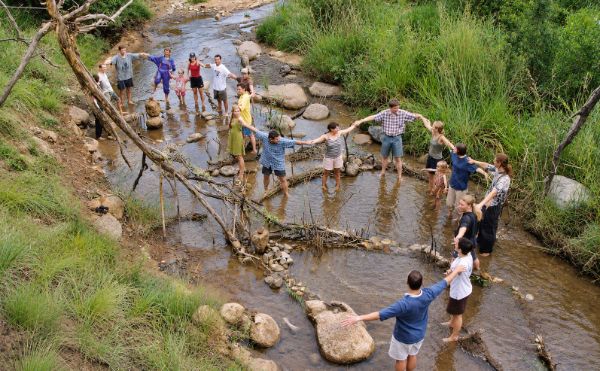
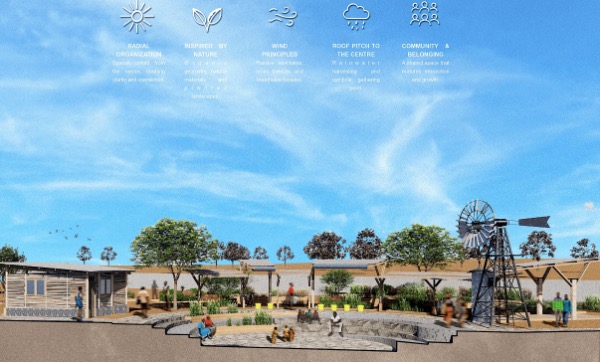
Three voices reflect on how we learn outdoors and how this might inform curricula change. Gibbons and Davidson reflect on the collaborative model of the Landscape Learn action research forum, where students, practitioners, and communities work together to respond to climate adaptation. Young recalls immersive fieldwork that encourages students to understand landscape through observation, experience, and exploration, cultivating a sense of place. Oberholzer shows the primacy of knowledge of natural systems as critical to land transformation, and proposes that ecological knowledge be taught as foundational in all built environment disciplines.
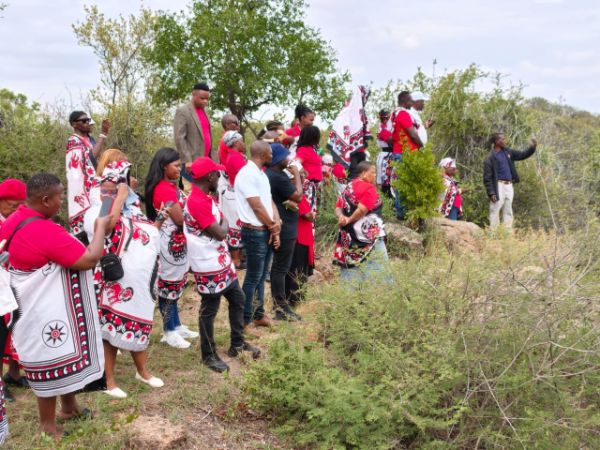
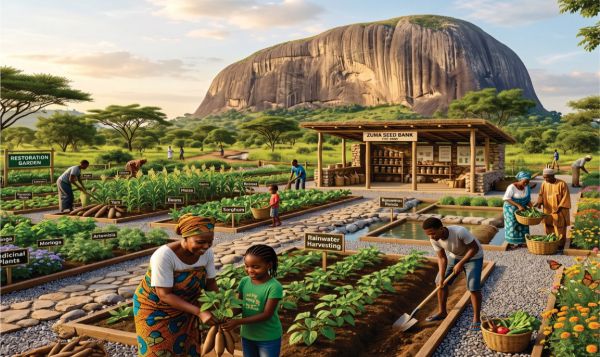
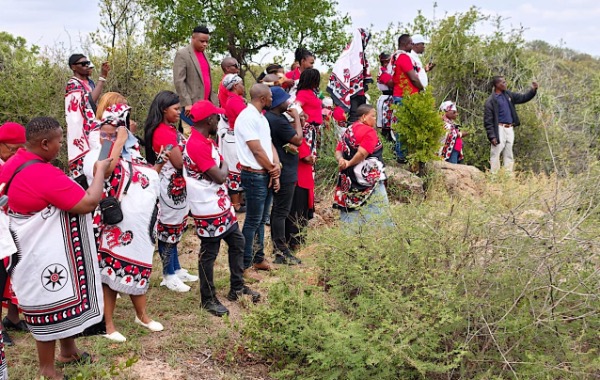
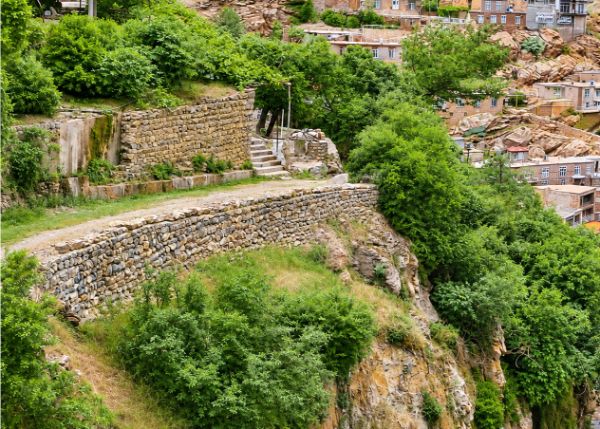
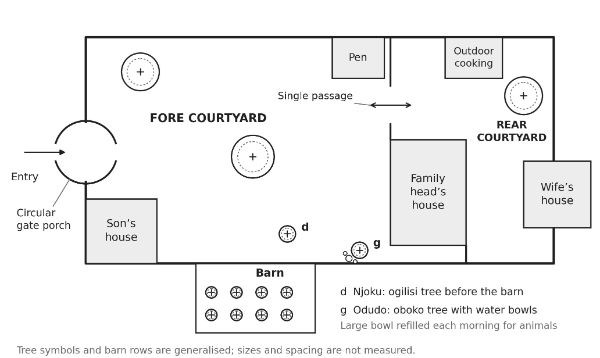
Four authors invite us to read places using new lenses. Bala looks at Zuma Rock as a bridge between classroom learning, the environment, and cultural preservation. Khanalizadeh shows that we can move from viewing a landscape as aesthetic to revealing the functional role it plays. Uche invites us to look at the landscape not just as a site, setting, and what it can offer users, but as revealing ecological intelligence in the cultural landscapes developed over years in the local communities. Ngcai, using the cases of the Tswaing and Mothong landscapes, shows us how we can learn from landscapes as repositories of indigenous knowledge and memory critical for our learning and practice.
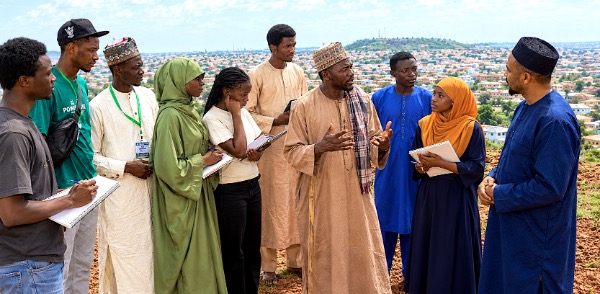
Finally, five contributors explore the teacher-practitioner as a bridge between theory and ground. Gidado, through studio teaching, shows us how to enlist traditional ecological knowledge into both teaching and practice in Zaia, Nigeria, while Sibanda examines how to weave a similar strand in Botswana. Manal shows us how students can intervene in a real-world challenge through a planting studio that replaces exotic species with indigenous ones in Bouskara Forest, Casablanca, Morocco. In Tunisia, Saidane shows how teaching through practice can address real challenges not derived from a studio brief, but from observing spaces and practical needs to build resilience in cities. In Rehoboth, Namibia, Hansens takes us through a reciprocal approach where educators, practitioners and communities can co-create and share knowledge of local systems, offering us a chance to reconsider the different roles in shaping education, practice and the landscape.
Together, these articles suggest that we learn and practice best when we listen to one another and to the landscape. We hope this issue inspires you to become a more reflective teacher-practitioner as you shape the landscape. Enjoy reading.