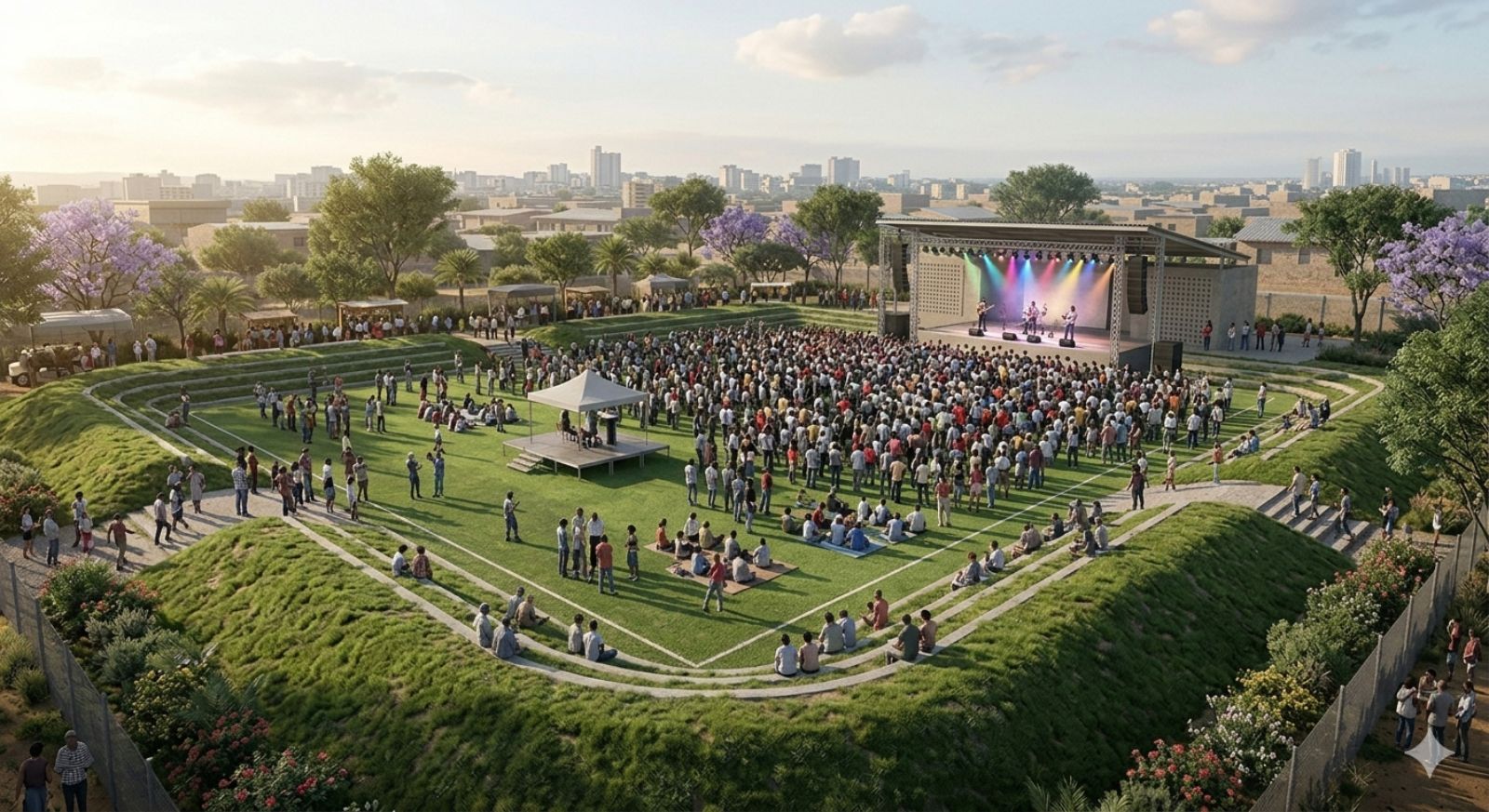
Jacaranda Grounds, Nairobi, Urban Landscapes as Mediation Spaces
ABout the Author/s





Dans les villes africaines, les espaces ouverts servent souvent d'arènes de négociation, où se croisent les dynamiques sociales, politiques et économiques. Cet article explore le rôle de l'aménagement paysager comme pratique de médiation dans les espaces ouverts contestés de Nairobi, en se concentrant sur le terrain multifonctionnel de Jacaranda, utilisé pour des rassemblements politiques, du football, des réunions religieuses, du jogging, du commerce informel et des formations à la conduite. Situé entre un quartier de classe moyenne et un bidonville, ce site incarne les tensions et les potentialités des biens communs urbains partagés.
À l'aide d'une approche mixte combinant observation spatiale, participation active et recherche-création, l'étude analyse comment les pratiques quotidiennes façonnent et remettent en question la notion d'espace public. L'article postule que, grâce à des stratégies d'aménagement paysager, une réinvention du terrain comme un bien commun dynamique favorise la coexistence plutôt que l'exclusion. L'aménagement paysager peut agir comme une forme de médiation, transformant les lieux de conflit en espaces d'appartenance partagés. Ces résultats contribuent aux débats sur l'espace public, la justice spatiale et l'architecture paysagère dans les contextes africains en pleine urbanisation.
Urban open spaces in African cities often serve as arenas of negotiation, where social, political, and economic dynamics intersect. This article explores the design of urban open spaces as a mediating practice in Nairobi’s contested open spaces, focusing on the multifunctional Jacaranda Ground used for political rallies, football, religious gatherings, jogging, informal trading, and driving school training. Situated between a middle-income neighbourhood and an informal settlement, the site embodies the tensions and potentials of shared urban commons. Using a mixed-methods approach that combines spatial observation, participatory engagement, and design-led inquiry, the study analyses how everyday practices shape and challenge the meaning of public space. The article posits that, through landscape design strategies, reimagining the ground as a dynamic common enables coexistence rather than exclusion. Landscape design can act as a form of mediation, transforming sites of conflict into shared terrains of belonging. The findings contribute to debates on public space, spatial justice, and landscape architecture in rapidly urbanising African contexts.
LANDSCAPE OF CONTESTATION: THEORY
Urban open spaces are landscapes of contestation. This is especially so where power structures and conflicting societal, political and economic interests influence how open spaces are perceived, utilised and governed (Balestrieri, 2013; Snorek et al., 2017). Urban open spaces are dynamic matrices where the struggle for visibility, accessibility, possession, memory, authority, and community plays out; thus, necessitating the reading of open spaces through a lens of power, identity, and belonging (Seixas, 2021). Tykanova and Khokhlova (2013) draw attention to the struggles and uncertainties experienced in urban territories rooted in various property regimes, from constant alteration of legislative frameworks to non-transparent decisions and measures executed by city authorities and investors, citizens’ ignorance, and insufficient public participation. These territories can be theorised as spaces of ambivalence, characterised by divergent outlooks in which, at one extreme, they exhibit our fears and insecurities, and, correspondingly, an optimistic future for the growth of the larger cities they are set within (De Meulder et al., 2022; Gandy, 2013).
In elaborating on spaces of contestation, markets, interstitial lots, marginal wastelands, community parks, squares, and plazas are typical archetypes of spaces where these conflicting power dynamics manifest. Public spaces, social facilities, cyberspace, civil society, and cultural institutions are marked by a diversity of users and therefore exhibit varying levels of controversy surrounding inclusion and exclusion in use (Kihato, 2010). For instance, González (2017) highlights markets as spaces of resistance, frontiers of gentrification, spaces of political mobilisation, key in the development of alternative practices of both consumption and production. On the other hand, wastelands such as landfills provide spaces where the landscape encounters misery, yielding poverty and forsaking social equity, yet they also offer opportunities to boost economic growth in adjacent neighbourhoods (Girot, 2016; Lang and Rothenberg, 2017).
Balestrieri (2013) and Zhang (2016) further decouple landscapes of contestation as territories susceptible to exploitation in planning, since they are marked by a collision of the ideals and interests of divergent parties with independent and often irrational needs. The quality of planning and designing these inherently diverse spaces, therefore, may yield sterile, hostile, biased, and monocultured spaces, whereas inclusive design can create interactive, sustainable, and secure zones (Talen and Lee, 2018). In response to the growing diversity of cities before the magnification of urbanisation, globalisation, modernisation, and migration, contemporary design of public open spaces is adopting the application of tactical urbanism and multi-dimensional techniques such as placemaking, which is dynamic, collaborative, adaptable, inclusive, visionary and community-driven (Project for Public Spaces, 2007).
The notion of inclusive urban design is articulated by Lefebvre’s dogma on space production, which advances the crucial roles and rights of space users in participation and appropriation in decision-making in the design, production, and utilisation of urban spaces within cities (Lefebvre et al., 1996). This argument was compounded by Shmelev (2001), who posits that spaces are given meaning and constructed by inhabitants’ daily routines, practices and memory. Low and Smith (2005) contend that it is only in public spaces that users of diverse social standing and ethnicities actually meet, and that when there’s privatisation or over-regulation of these spaces, the ‘politics-of-encounter’ cease, as does the diversity of the city. In response to these exclusions and marginalisation, this article postulates that public spaces therefore provide the medium to address uncertainty based on their adaptability and responsive nature to harmonise the three triads of sustainability- the environment, society and the economy of the city; through conscious landscape design where they act as the proponent for mediation.
CONTEXTUALIZATION OF JACARANDA GROUNDS
The history of Nairobi’s open space and park movement is indicative of shifting urban ideologies from a tool mobilised for colonial separation to a modern-day battleground for resilience and social justice. In 1946, the Nairobi National Park was gazetted as the first national park, defining the city’s southern limits (Mbatia, 2015). The park acted as part of a larger ecosystem linked to the Athi-Kapiti plains. The park movement in Kenya further gained momentum through the development of the 1948 Master Plan for a Colonial Capital, which envisioned establishing green wedges that created psychological and environmental buffers between European, Asian, and Native settlements, using topography, rivers, and nature. The plan established the City Park, Arboretum, Uhuru Park, Karura Forest and other open spaces within the city limits (Médard, 2010). It is important to note that the open spaces and parks did not feature prominently in the native reserves East of the city; where the Jacaranda ground is domiciled.
Post-Independence, the government of Kenya undertook various projects to settle the emerging African civil servants, providing key infrastructure, including housing (Makachia, 2019), and other support services such as public parks (Anderson, 2001). By the 1980s and 1990s, Nairobi had solidified its image as ‘the Green City in the Sun’. However, a new challenge for public parks and open spaces had emerged: political land grabs by the elite targeting public open spaces due to rapid urbanisation. In 1989, a group of activists under the Green Belt Movement, led by Professor Wangari Maathai (Odote, 2019), successfully opposed the construction of a 60-storey building in Uhuru Park, forcing a national conversation that led to the acknowledgement that public land was not a private resource for a select few. Public open spaces were, in fact, a symbol of democratic freedom and human rights.
It is against this backdrop that we understand the place of public open spaces. The current legal framework is guided by the 2010 Constitution of Kenya, which devolved public open spaces to regional governments and prioritised inclusivity and climate resilience, as well as the reclamation of public land and the integration of grassroots management. The Nairobi Integrated Urban Development Plan (NIUPLAN 2014) builds on this by moving away from the colonially motivated segregation logic, proposing in its place a Transit Oriented Development that legitimised open spaces and parks as breathing spaces, which form part of the essential infrastructure for a high-density city (Nairobi City County, 2014). More recently, the Physical and Land Use Planning Handbook (PLUPA) 2024 is the most recent legal blueprint guiding planning standards for green and open public spaces in Kenya. It advocates maintaining a minimum standard of 0.1 m2 of local open space per person in public housing developments and comprehensive residential developments, and observing a minimum of 10% green coverage, which is not the case for the Jacaranda grounds in relation to its current neighbourhood setup.
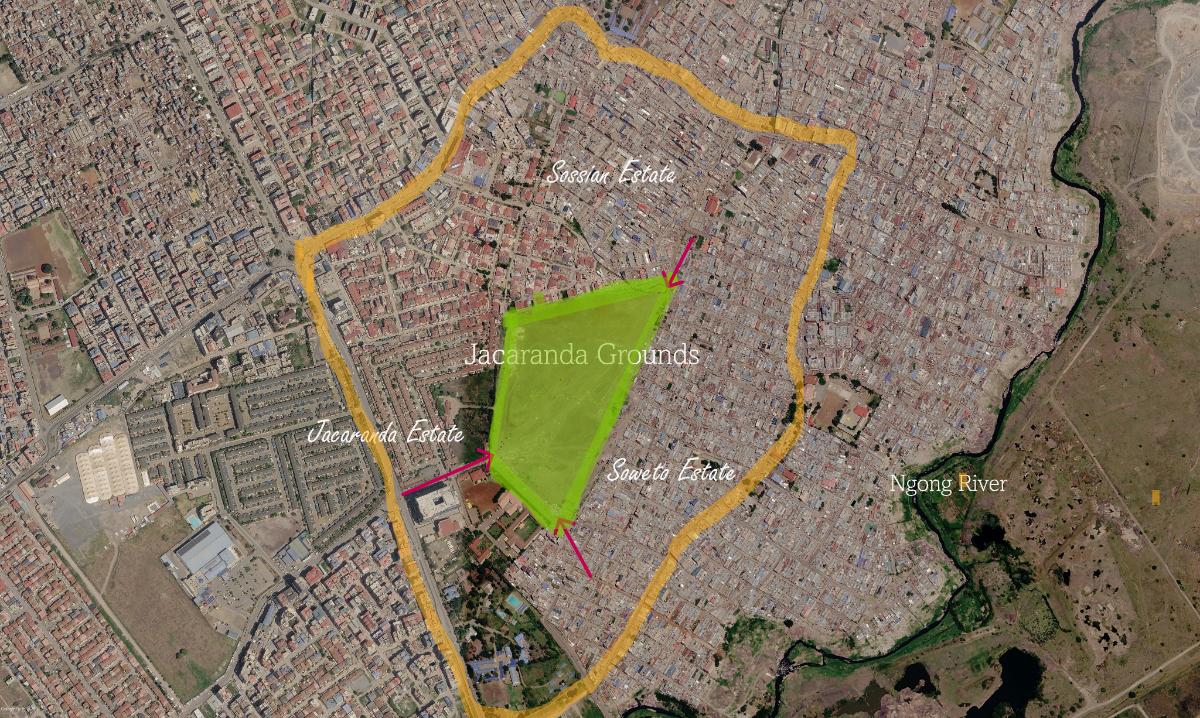
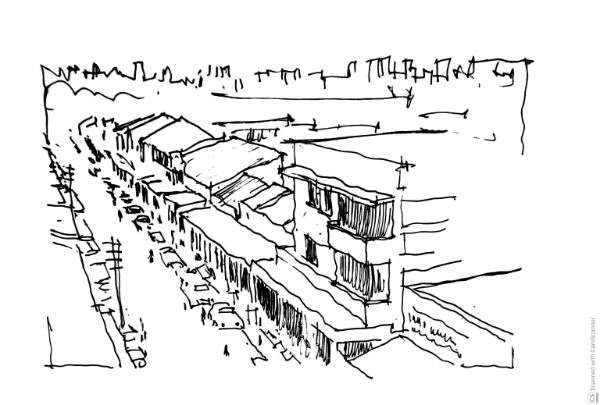
Jacaranda Grounds in Nairobi’s Eastlands is one of the multifunctional public open spaces that epitomise the complexity of Kenya’s urban commons. Jacaranda Grounds serves as a soft-infrastructure node at a critical interface between two distinct urban tissues. To the West and South, it borders the Donholm, Jacaranda, and Savannah neighbourhoods, which are characterised by a formal grid (Ondieki, 2022). The urban grain within these neighbourhoods is coarse, with defined property lines, lower density, high walls and formal road networks with wide reserves. To the East and North, the grounds border the Kayole and Soweto neighbourhoods, characterised by organic density (Coville et al., 2020; Guma et al., 2019). The urban grain is finer and tighter, typical of high-density, low-income and informal settlements. The site is bounded by Kayole Spine Road and Savannah Road. These arterial roads form a hard edge that defines the space's limits, making it a highly visible island easily accessible by public transport (matatus), which increases its value as a gathering spot. For these neighbourhoods, Jacaranda Grounds acts as a breathing space between these two contrasting zones (Figure 1).
CONTESTATION IN JACARANDA GROUNDS
This study was conducted over a period of two years, in two different studio set-ups, bringing together urban design students from the Technical University of Kenya, Landscape Architecture researchers and practitioners, and the community around Jacaranda Grounds in Nairobi. The core approach included mixed-methods research through design, utilising the landscape design studio as a lab. The team used spatial observation and participatory engagement to capture nuanced everyday social practices and uses of the grounds.
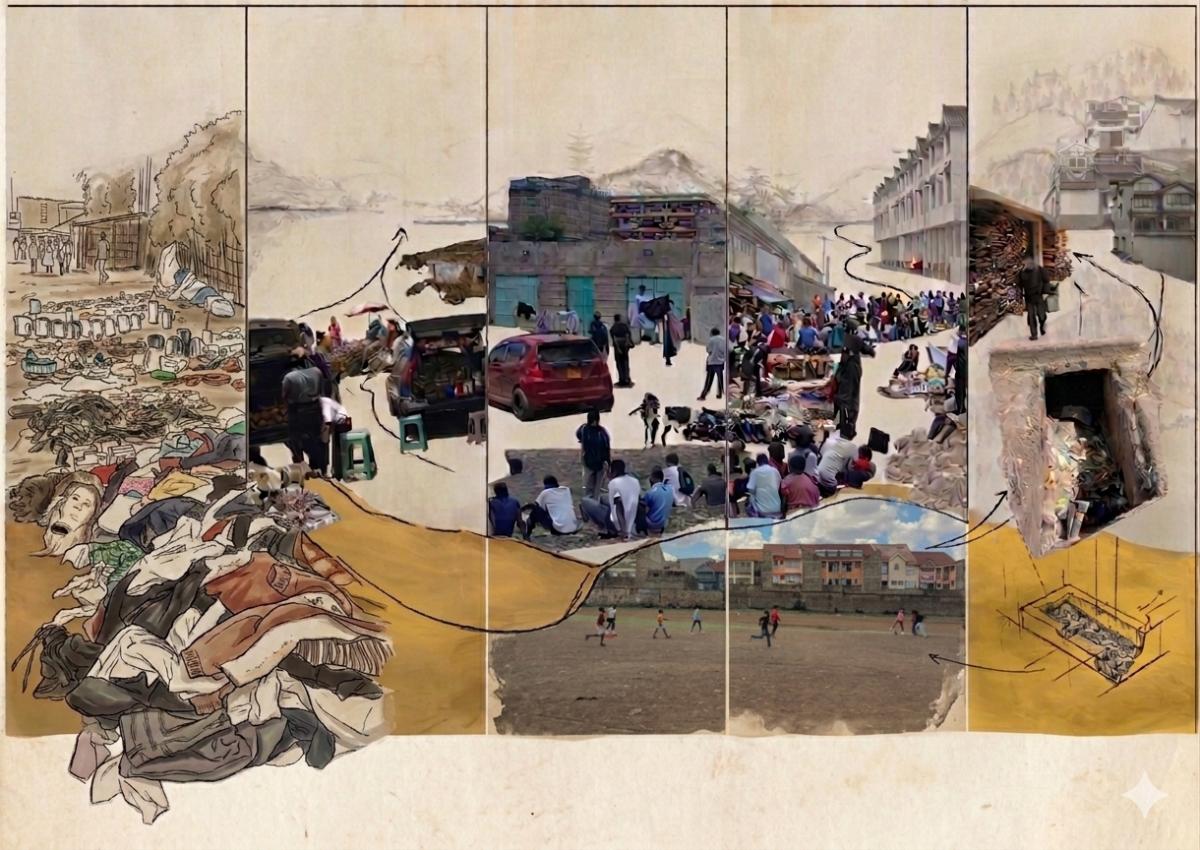
Through the studio inquiry, the team explored both theoretical frameworks highlighted above and site-specific realities. Documentation of physical traces of informal appropriation and spatial contestation using maps and observation (Figure 2). The site's dynamic users were instrumental in co-producing knowledge about the meaning and history of the Jacaranda grounds through interviews. This was further enhanced by a design-led inquiry that used site models and maps as both representational and analytical tools. The studio provided an opportunity to test how physical interventions can mediate competing claims, transforming Jacaranda, a contested site, into a vibrant multifunctional common.
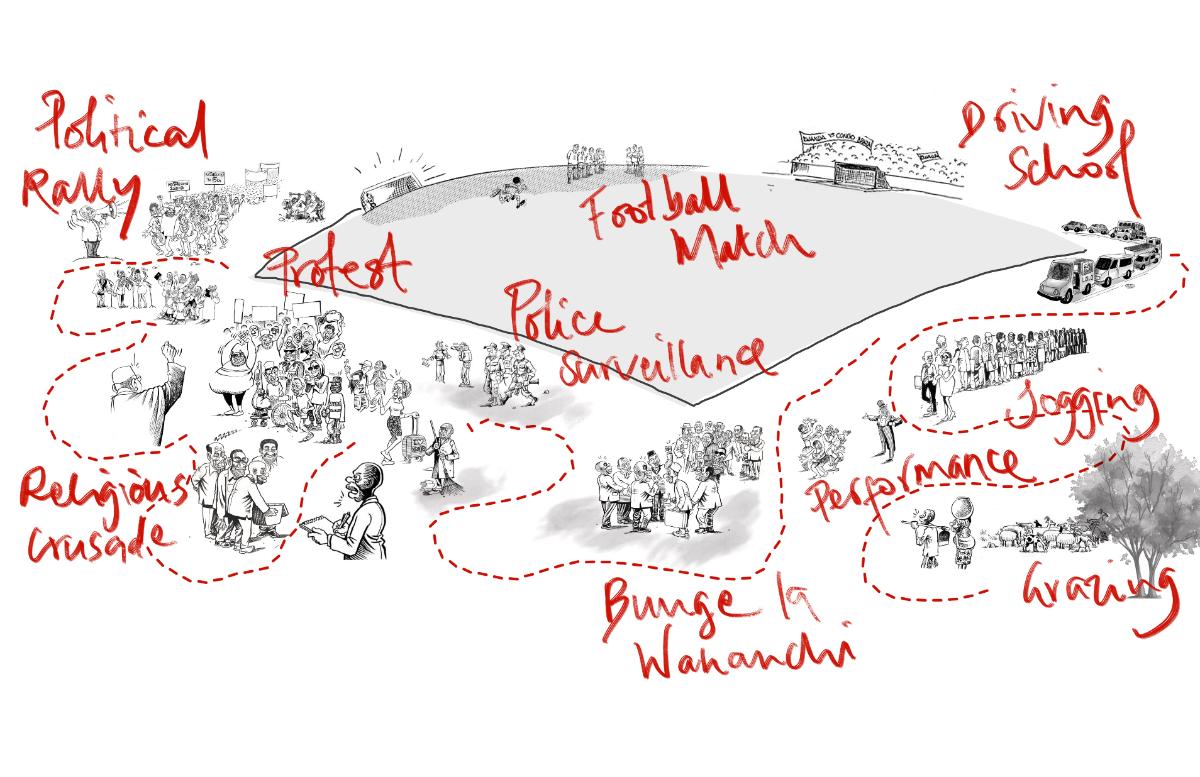
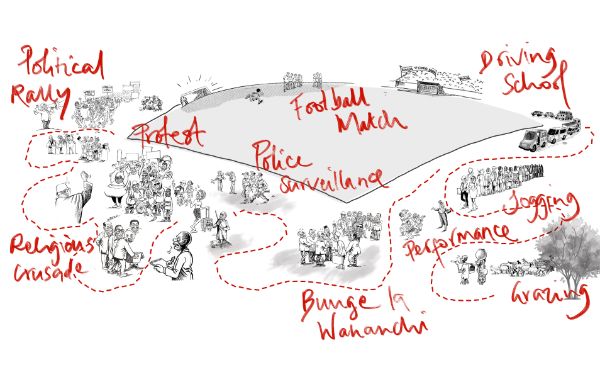
The landscape architects, in this process, took on the role of a reflexive facilitator, supported by quantitative spatial data from fieldwork and the studio experience generated through mapping and modelling, further qualified by qualitative data obtained from on-site interactions with the Jacaranda Grounds users, building on oral histories and community mapping processes. The use of landscape design as a tool for mediation allowed the team to acknowledge the multiple uses, users, and functions that Jacaranda Grounds serves, as indicated in Figure 3. The micro- and meso-scale brought about by landscape architecture supported a deep dive into the site ecology, the site's materiality, and its living components. The landscape architects, as researchers and practitioners in the Jacaranda grounds case, articulate and deploy their positionality in contemporary spatial practice as reflexive facilitators of mediation processes for such and similar contested landscapes in cities.
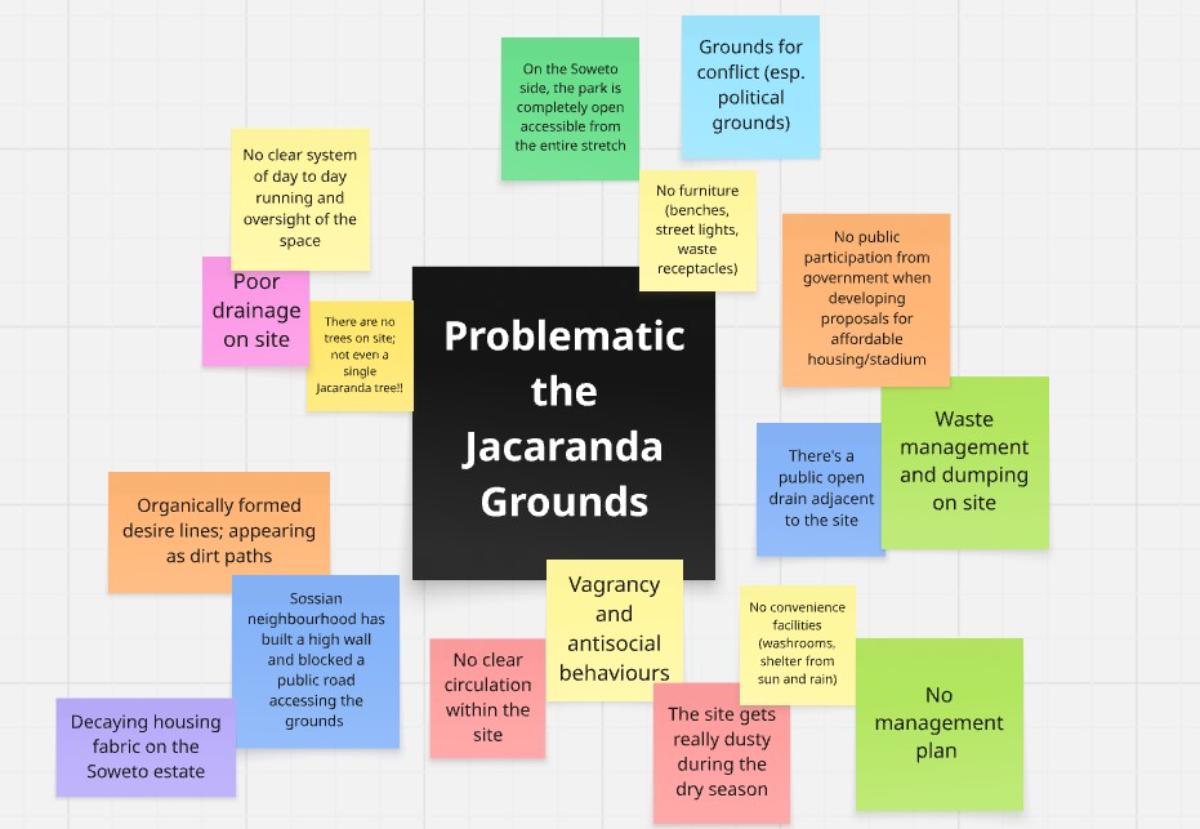
In this process, mediation through design is a political, ongoing studio practice. It gives form to the invisible, undocumented spatial practices as appropriated by the community. The landscape design studio process provided an opportunity for a macro-scale analysis of connectivity, policy, and street networks linking the Jacaranda grounds to the city’s political, legal, and economic systems, as illustrated by a process diagram developed through a collaborative process using the Miro Board as a digital tool (Figure 4). The studio process allowed the exploration of a full spectrum of possibilities.
The site reveals a permeable, unpaved surface. The red earth indicates a lack of formal design, leading to environmental challenges such as dust in the dry season and mud/drainage issues during the two rainy seasons in March and September. Across the site, informal paths have formed over time, indicative of foot traffic. These desire lines represent the most efficient routes taken by site users, bypassing the formal grid (Figure 5). The grounds serve a vital function as a pedestrian connector linking Kayole Spine Road to the inner estates.
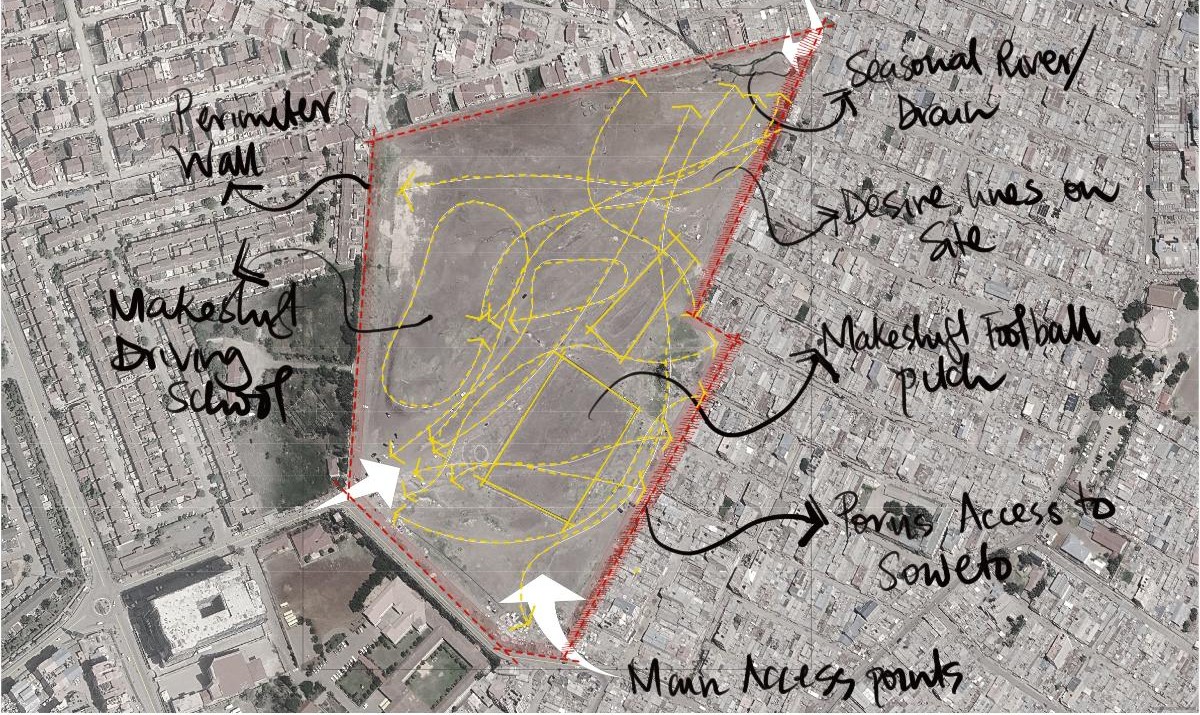
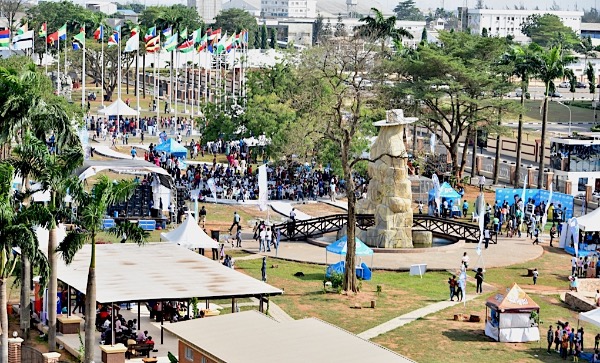
Unlike a formally curated park, the lack of prescription allows Jacaranda Grounds to shapeshift as a transit zone for commuters on a weekday morning, supporting the informal economy, including an unregistered neighbourhood driving school, and for hawkers on a weekday afternoon. It hosts league matches over the weekend and serves as a stage for political theatre, the people’s parliament locally referred to as ‘bunge la wananchi’ in Kiswahili, and political rallies (Gachichi, 2014). Due to the absence of formal community halls or plazas in Embakasi, this ground serves as the de facto civic centre, both a buffer and a bridge between divergent social realities.
Jacaranda Grounds is located along the Eastlands corridor, which was the engine room of Kenya's liberation. Colonial planning segregated Nairobi using the East-West dichotomy. Westlands were for the White settlers, while Eastlands (where Jacaranda is) were the native reserves. This segregation inadvertently created a unified block of resistance, giving rise to Makadara and Kaloleni social halls (Owen, 2017), where the trade union movement organised workers. The open spaces in Eastlands were where the Africans (who could not enter the CBD) gathered to hear news of the struggle.
Years later, in the late 80s and early 90s, the struggle for multiparty and Kenya’s second liberation moved to Kamukunji Grounds, also along the Eastlands corridor, as the primary theatre for the July Seventh 1990 rally (Saba Saba rally) (Mutunga, 2020). As the city expanded eastward, the population centre shifted towards Embakasi/Kayole. Jacaranda Grounds absorbed Kamukunji's functions. It became the new People's Parliament, because it was closer to where the masses lived. Jacaranda Grounds appears in media reports primarily as a barometer for Kenya's political temperature. It is often the Opposition Headquarters for rallies in Nairobi's Eastlands.
The grounds gained national infamy when the National Super Alliance (NASA), an opposition political party, attempted to hold a memorial rally for victims of police brutality during the 2017 election cycle. Police sealed off the grounds using sewage and teargas to prevent the gathering, highlighting the ground's status as a contested political space. On January 16th 2022, the media reported chaos during a United Democratic Party (UDA) political rally. Stones were pelted, and teargas was deployed. This cemented the grounds' reputation as a volatile "hotspot" requiring heavy security during campaigns. In a separate incident, on June 19th 2022, just before the general election, Kenya Kwanza and the Azimio Party, two leading political coalitions, booked the Jacaranda Grounds as the venue for a rally on the same day. The resultant standoff led to the cancellation of both events amidst the intense battle for the Eastlands Vote. Following the Azimio party's 2022 election loss, they returned to Jacaranda Grounds to launch a series of consultative meetings (barazas). The grounds were used symbolically to rally the "mwananchi" (common man) base against the new administration.
In 2024-2025, plans to upgrade the grounds into a modern stadium and to construct affordable housing were made public. For this process to be recognised by law, a redesignation of the site through a ‘change of use process’ from public open space into a recreational zone for the stadium or a residential zone for affordable housing would be mandatory. This would require a public participation process. The government has, however, overlooked these statutory requirements in similar projects across the country in the recent past. For Jacaranda Grounds, if the state implements its vision, this would mark a shift from an informal political battleground to a formalised utility or neighbourhood, fundamentally changing the ground's urban function. Through participatory and design-led approaches, this article postulates that landscape design should act as a mediator of coexistence, transforming contested grounds into living commons that balance ecology, culture, and social equity.
DESIGN OF URBAN LANDSCAPE AS MEDIATION: FROM CONFLICT TO CO-EXISTENCE
Jacaranda Grounds, which covers 31.73 acres of prime urban land, is a vital lung and connector for Eastlands, currently suffering from neglect (dust/lack of amenities) but high in social value. It is the space where political might is measured by crowd size, and social value by the demographic diversity of the users and the uses the space accommodates. Jacaranda Grounds is a living negotiation arena for both physical interaction and socio-political exchange. Public open spaces like Jacaranda Grounds are never truly neutral; marginalisation and gentrification, resulting in exclusion, are often the outcomes of contests among different groups over access, use, or meaning of these spaces (Madanipour, 2010). Contestation of public space is not inherently detrimental; it is, in fact, a manifestation of the kind of pluralism that fosters vibrant democracy (Soja, 2013). However, without proper frameworks in place to promote continuous negotiation and conflict resolution, it can deteriorate into political hegemony, resulting in exclusion and spatial injustice. Landscape Architecture has the opportunity to address these conflicts by articulating negotiated spatial, material, and programme interventions. The aim of design in this process is not to enforce consensus, which more often than not gives in to power and silences minorities. Instead, design embraces conflict as a positive democratic force, enabling mediation of competing interests rather than suppressing them (Mouffe, 2000).
Mediative urban landscape design can be achieved through several spatial interventions, categorised as programmatic, ecological infrastructure, institutional, and symbolic design interventions. Spatial mediation employs strategies such as creating a multifunctional layering of spaces, a good example being an extensive grass lawn that serves as a soccer pitch on weekends, an event ground for large gatherings, and a picnic space the rest of the time, as illustrated in Figure 6. In the same spirit, spaces with conflicting needs, such as high-impact sports and noisy activities, should be visually or spatially separated from children's play or passive recreation spaces, while allowing permeability (Gehl, 2011). Such “soft edges” can be achieved using landscape elements such as vegetation strips, earth berms, or water features.
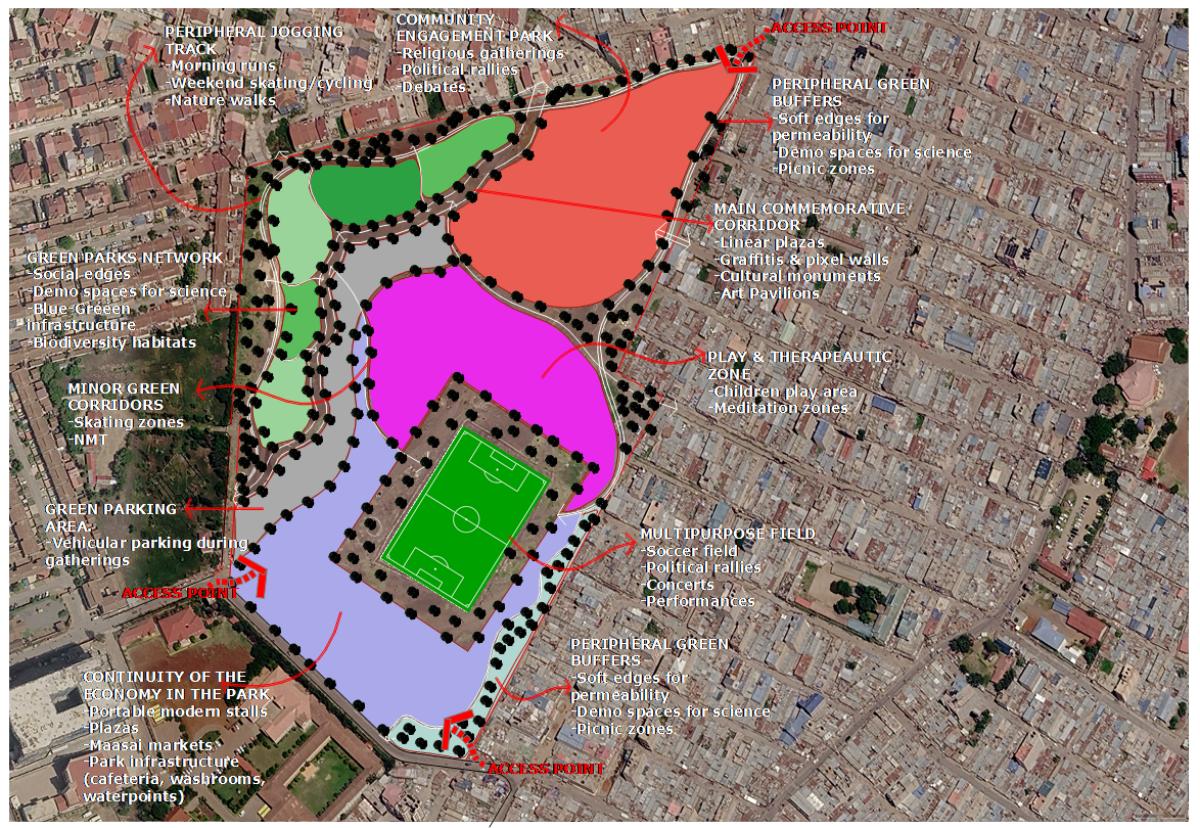
Programmatic interventions mediate contestation in public space through temporal flexibility and event-based programming. The space accommodates different uses and users across the day, the week, and the seasons, allowing a multiplicity of divergent uses in a single space without the need for physical redesign. Temporal flexibility requires an understanding of the daily, weekly, and seasonal rhythms of a space to develop a context-specific programme of use. Jacaranda Grounds already exhibits elements of temporal programming, though informal, organic and unregulated. The space accommodates fitness enthusiasts early in the morning, leisure and small-scale trading activities during the day and social meetings in the evenings. Temporal flexibility, as indicated by Figure 7, also manifests in a shift in use between weekdays, when the ground is used for driving school drills, and weekends, when it is dominated by different religious prayer groups and organised sports outfits. Event-based activation is evident in Jacaranda grounds as well, in the form of occasional uses that do not fit into a regular schedule, such as political rallies and mass protests. By accommodating different groups at different times, programming reduces direct conflicts between user groups, deters territoriality, and supports pluralism by avoiding single-use spaces and the permanent dominance of one group over a space.
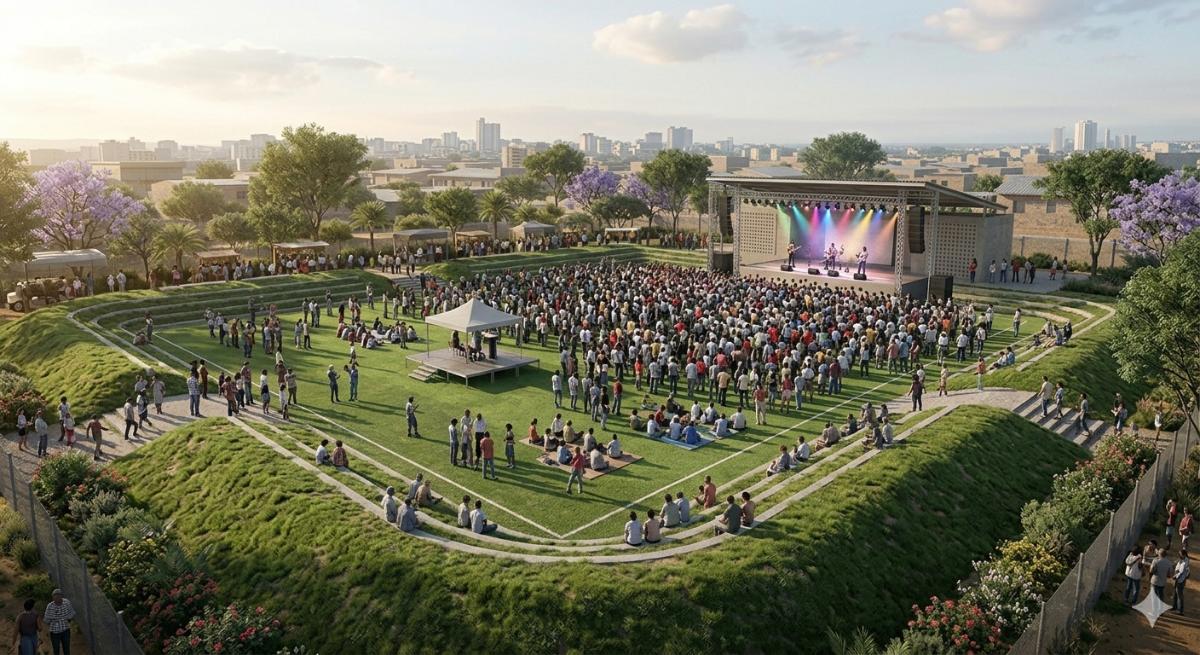
Ecological interventions take the form of green-blue infrastructure such as wetlands, forests and riparian buffers. These landscapes create a loosely programmed, non-exclusive shared space, enabling a shift of focus from control and ownership to collective stewardship. Additional mediative dimensions of ecological landscapes lie in the competing vision of these spaces between development and conservation (Figure 8). Successful management of these ecological landscapes usually relies on negotiated frameworks that balance conservation and development.
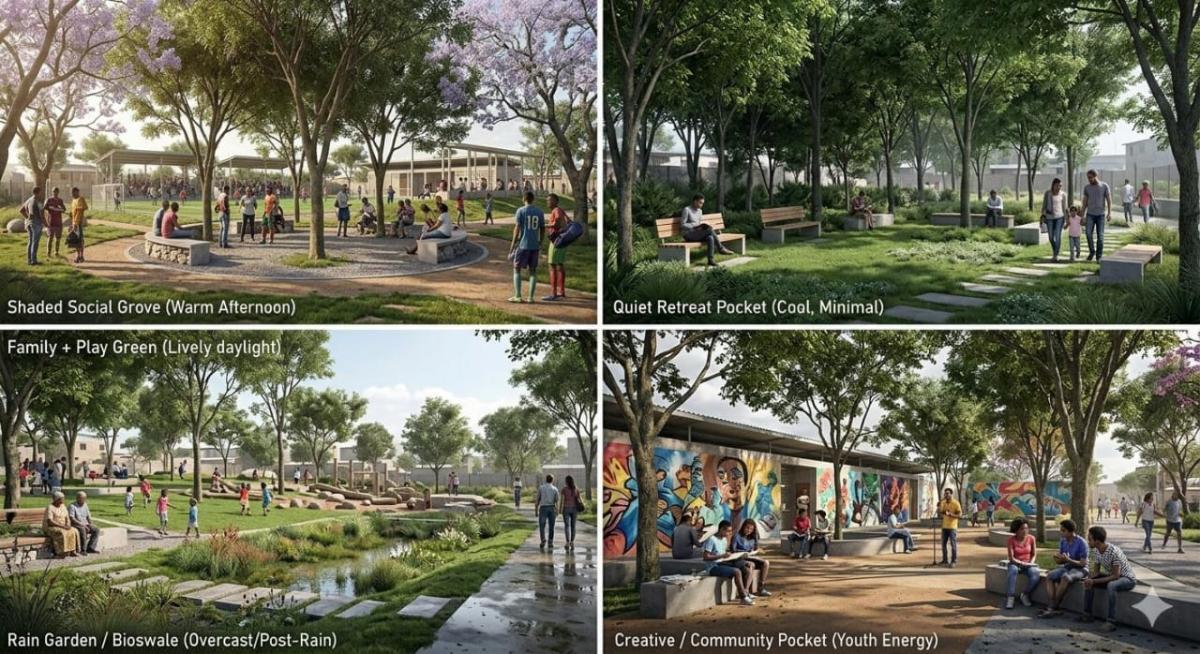
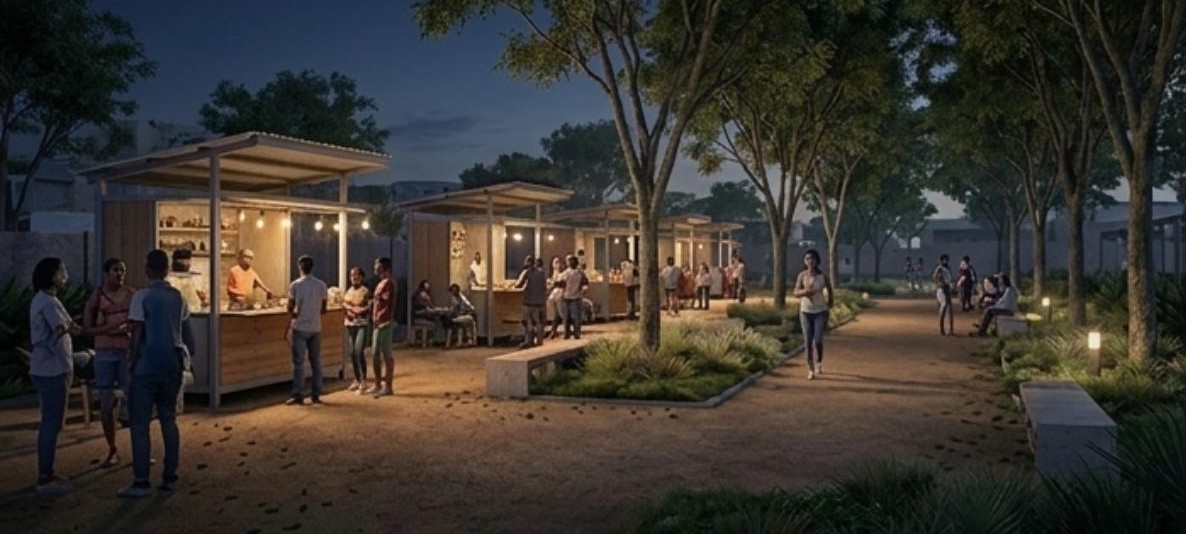
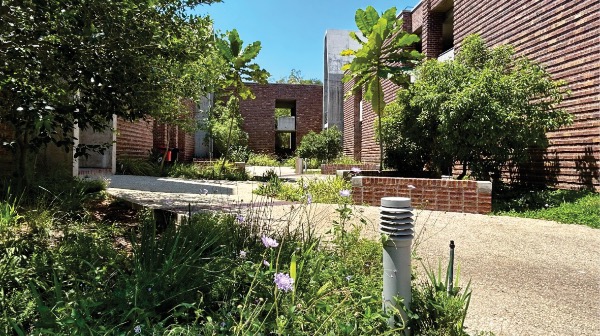
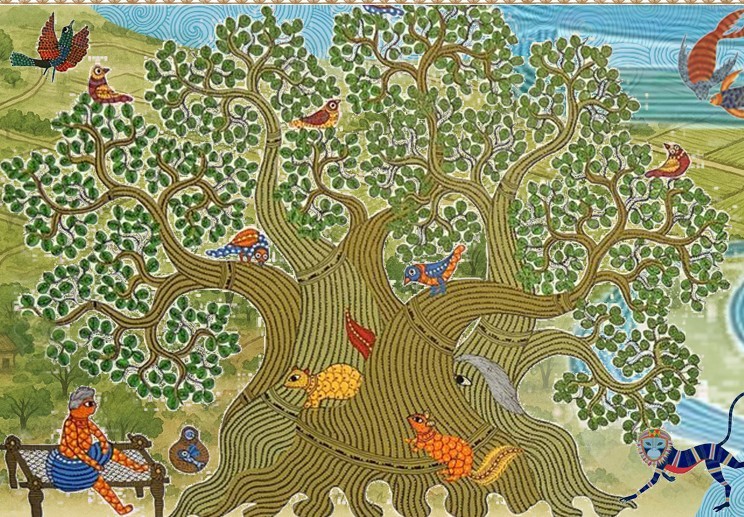
Landscape narrative serves as a mediative intervention by weaving stories and meanings into space through spatial form, landscape elements, and art. By recognising the right of different groups not only to access, but to representation within the setting of public open space, landscape design creates opportunities for redistributive representation, acknowledging marginalised histories, and allowing for the kind of plurality that allows multiple meanings to coexist (Lefebvre et al., 1996; Lefebvre and Donald, 1991). Landscape elements such as murals, interactive walls, monuments, and park furniture can be integrated along main mobility paths and within plazas to ensure maximum access, functionality, equity, and recognition for the diverse park users. Supportive infrastructure, such as linear stalls, ensures continuity of economic opportunities for residents and provides quick access to the commodities needed when using the park. The linear stalls can be situated along the peripheries of the site. Other supportive elements include lighting masts, washrooms and park furniture, which together ensure functionality, security and comfort for space users (Figures 9 and 10).

Institutional mediation entails interventions that build legitimacy and a sense of belonging, mainly through participatory mapping and co-design, and collective governance. Incorporation of diverse voices, addressing competing needs and opposing views, is important, particularly in scenarios of contested spaces where mechanisms of recognition and procedural fairness are critical, for a favourable public view and ultimately project acceptance (Newig et al., 2018). Participation through all the stages of planning and design, construction, occupation and management of a project to foster a sense of inclusion and ownership that reduces conflict that stems from exclusionary processes.
CONCLUSION
Conclusively, mediative landscape design through interventions such as temporal flexibility, multifunctional layering of activities, and landscape narrative enables the coexistence of competing claims, recognises marginalised voices, structures constructive social interactions, and, in the process, operationalises agonistic pluralism as elaborated by Mouffe (2000). Agonism views contested landscapes not as design failures but as a healthy form of democratic expression. Viewed through this lens, the role of landscape Architecture in Jacaranda Grounds shifts from conflict resolution to conflict mediation, aligning spatial design with social justice, right to the city and spatial justice, by recognising competing claims to access, meaning and representation (Lefebvre et al., 1996; Lefebvre and Donald, 1991; Mouffe, 2000; Soja, 2013). The paper concludes that the African city’s open space is not a void to be filled but a ground of negotiation, dynamic, plural, and essential to the pursuit of urban inclusion and resilience.
References
Balestrieri M (2013) Contested landscapes: Conflicts of interests and controversies in planning and using space. Spatium (29): 53–58.
De Meulder B, Marin J and Shannon K (2022) Evolving Relations of Landscape, Infrastructure and Urbanization Toward Circularity: Flanders and Vietnam. In: Amenta L, Russo M, and Van Timmeren A (eds) Regenerative Territories. GeoJournal Library. Cham: Springer International Publishing, pp. 107–121. Available at: https://link.springer.com/10.1007/978-3-030-78536-9_6 (accessed 26 March 2026).
Gachichi G (2014) The Study of Grassroot Social Movement in Kenya, Case Study of Bunge La Mwananchi (People’s Parliament)’. University of Bagamoyo, Nairobi. Epub ahead of print 2014.
Gandy M (2013) Entropy by design: Gilles Clément, Parc Henri Matisse and the Limits to Avant‐garde Urbanism. International Journal of Urban and Regional Research 37(1): 259–278.
Gehl J (2011) Life between buildings. Danish Architectural Press. Epub ahead of print 2011.
Girot C (2016) The Course of Landscape Architecture. Thames and Hudson. Available at: https://www.research-collection.ethz.ch/entities/publication/b0cc00e9-29eb-4f87-a38e-34b281796f00 (accessed 26 March 2026).
González S (2017) Introduction: Studying markets as spaces of contestation. In: Contested Markets, Contested Cities. Routledge.
Kihato C (2010) Urban Diversity: Space, Culture, and Inclusive Pluralism in Cities Worldwide. Woodrow Wilson Center Press.
Lang S and Rothenberg J (2017) Neoliberal urbanism, public space, and the greening of the growth machine: New York City’s High Line park. Environment and Planning A: Economy and Space 49(8): 1743–1761.
Lefebvre H and Donald N-S (1991) The Production of Space. Blackwell.
Lefebvre H, Kofman E and Lebas E (1996) Writings on cities. Cambridge, Mass. Epub ahead of print 1996.
Low S and Smith N (2005) The Politics of Public Space. 1st edn Routledge. Available at: https://www.routledge.com/The-Politics-of-Public-Space/Low-Smith/p/book/9780415951395 (accessed 22 April 2026).
Madanipour A (2010) Whose public space? In: Whose Public Space? Routledge, pp. 237–242. Available at: https://api.taylorfrancis.com/content/chapters/edit/download?identifierName=doi&identifierValue=10.4324/9780203860946-14&type=chapterpdf (accessed 26 March 2026).
Mouffe C (2000) The Democratic Paradox. verso. Available at: https://books.google.com/books?hl=en&lr=&id=5rwu0FA9aO4C&oi=fnd&pg=PR9&dq=12.%09Mouffe,+C.+(2000).+The+democratic+paradox.+London,+UK:+Verso.&ots=RIJo6riAsw&sig=UzlB425sqYfxEHGeeT6dECF-S9g (accessed 26 March 2026).
Mutunga W (2020) Saba Saba at 30: The Struggle for Progressive Alternative Political Leadership in Kenya Continues. The Elephant. Epub ahead of print 2020.
Newig J, Challies E, Jager NW, et al. (2018) The Environmental Performance of Participatory and Collaborative Governance: A Framework of Causal Mechanisms. Policy Studies Journal 46(2): 269–297.
Owen CE (2017) Modernizing Makadara Gardens. In: The African Metropolis. 1st edn. Available at: https://www.taylorfrancis.com/chapters/edit/10.4324/9781315157306-12/modernizing-makadara-gardens-caleb-edwin-owen (accessed 26 March 2026).
Project for Public Spaces (2007) What is Placemaking? Available at: https://www.pps.org/article/what-is-placemaking (accessed 26 March 2026).
Seixas CE (2021) Urban (Digital) Play and Right to the City: A Critical Perspective. Frontiers in Psychology 12. Frontiers.
Shmelev S (2001) On the Plaza: The Politics of Public Space and Culture. by Setha M. Low. Austin: University of Texas Press (2000). Reviewed by James N. Green. Journal of Political Ecology 8: 77.
Snorek J, Moser L and Renaud FG (2017) The production of contested landscapes: Enclosing the pastoral commons in Niger. Journal of Rural Studies 51. Elsevier: 125–140.
Soja EW (2013) Seeking Spatial Justice. University of Minnesota Press.
Talen E and Lee S (2018) Design for Social Diversity. Routledge. Available at: https://api.taylorfrancis.com/content/books/mono/download?identifierName=doi&identifierValue=10.4324/9781315442846&type=googlepdf (accessed 26 March 2026).
Tykanova E and Khokhlova A (2013) Local Communities in St. Petersburg: Politicisation of Claims to Contested Urban Spaces. Articulo - Journal of Urban Research (Special issue 4). Journal of Urban Research. Epub ahead of print January 2013. DOI: 10.4000/articulo.2320.
Zhang M (2016) Public space for urban resilience. Integrated understanding of urban resilience and public space. Politecnico di Milano. Epub ahead of print 2016.





.jpg)
