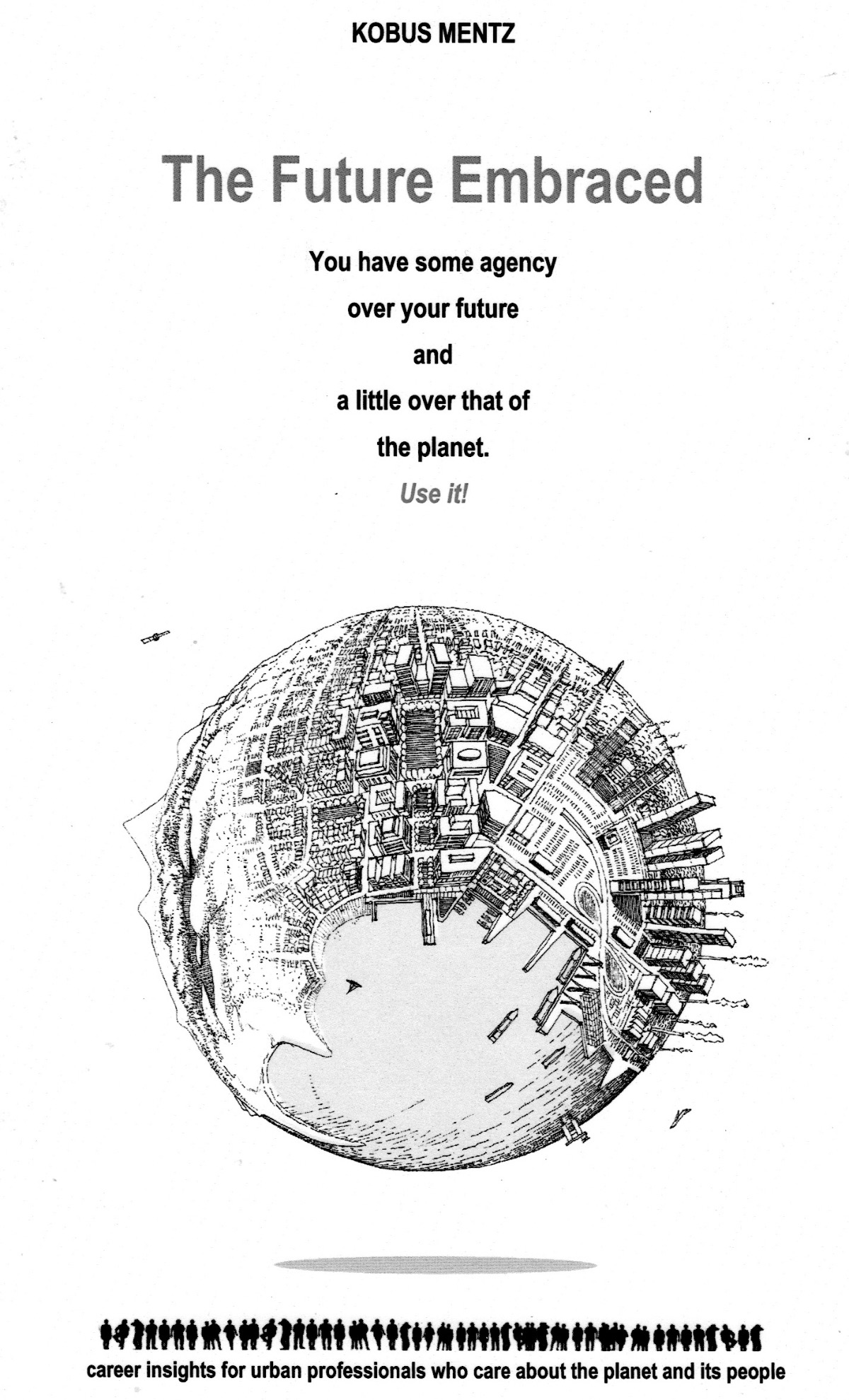
Book Review: The Future Embraced
ABout the Author/s


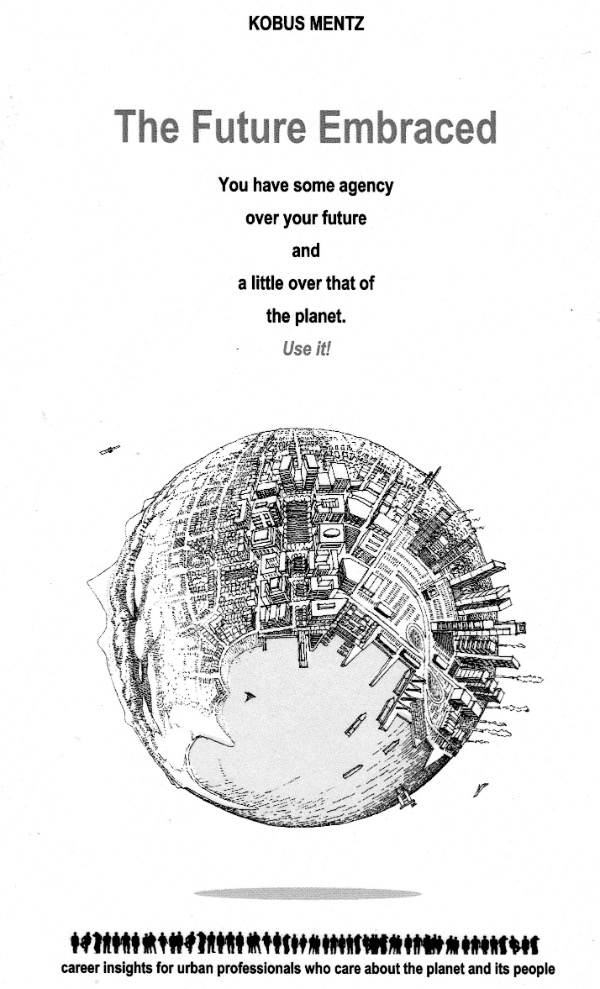
The Future Embraced: career insights for urban professionals who care about the planet and its people
Kobus Mentz, 2024
Independently published by the author and available on Amazon.com
422 pages
€34.24 (hardback), €25.44 (paperback)
The Future Embraced presents a valuable source of inspiration for early- to mid-career professionals in the built environment. It is a suitable read for those practising in diverse contexts, including the Global South, where complex, interdisciplinary problem-solving become part of everyday challenges. The approach taken by Kobus Mentz in writing this book aligns broadly with the reflective practice and tacit knowledge principles advocated by Michael Eraut and Donald Schön in their seminal works, Developing Professional Knowledge and Competence (Eraut, 1994) and The Reflective Practitioner: How Professionals Think in Action (Schön, 1987).
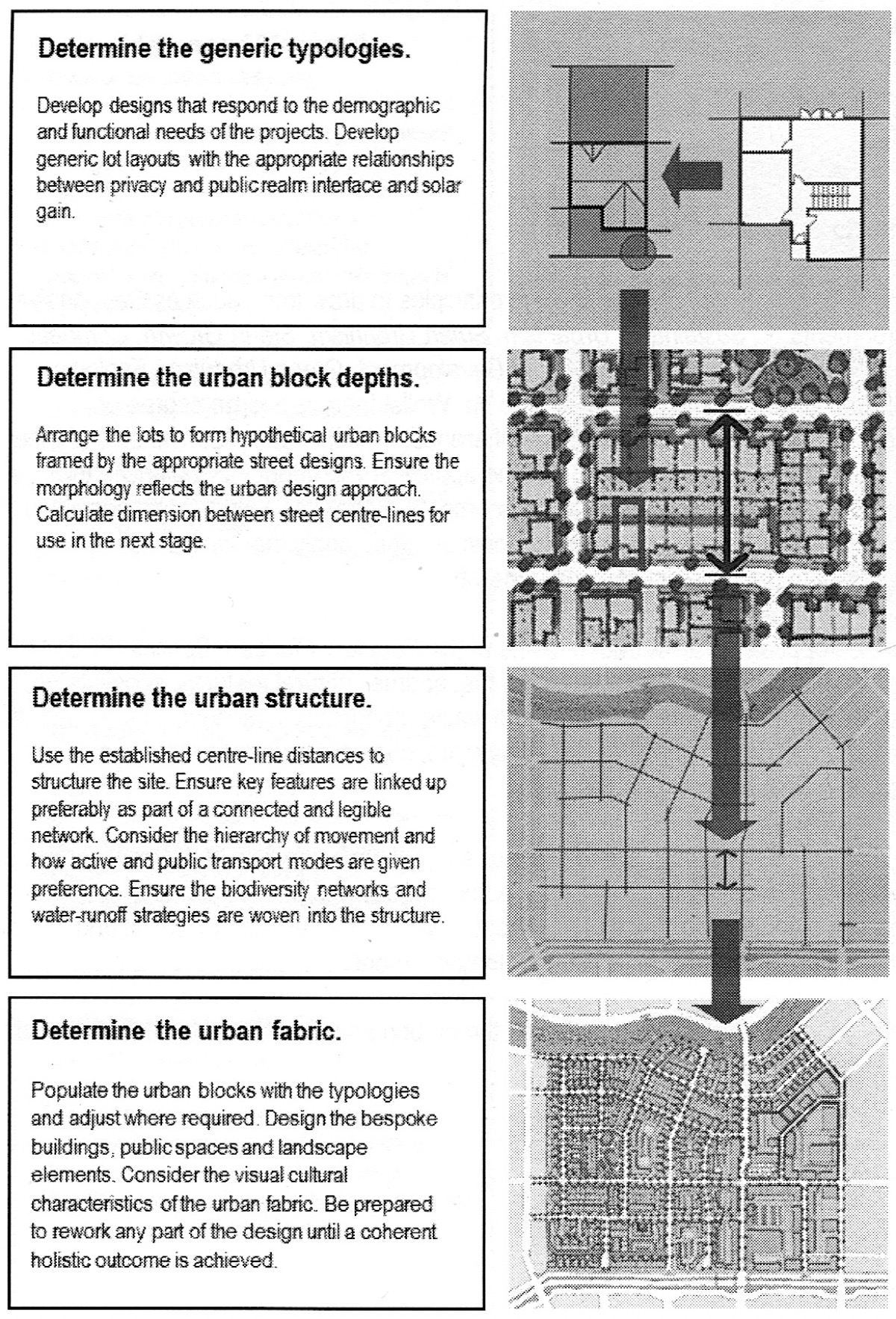
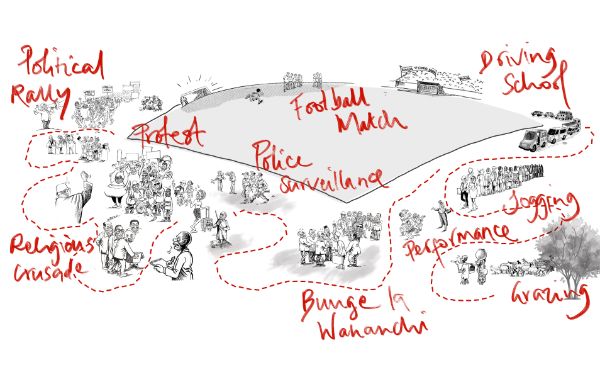
The book comprises ten sections arranged into three subsections that address future-relevant thinking, future relevant challenges, and future relevant skills. This pragmatic progression is intentional and geared toward inspiring action as a necessary outcome. Purpose-drawn diagrams and illustrations are included throughout the text to help readers better understand the relationships between the various events and actors identified.
The Future Embraced is rare in the sense that few successful practitioners in the built environment find the time and energy to distil and disseminate lessons from their work. When they do, they often doubt their own ability to write coherently. Mentz has successfully taken the leap and bridged the gap. The gratification derived from engaging in successful interdisciplinary problem-solving exists in many contexts and needs to be shared. This often happens in a piecemeal fashion based on specific experiences, but seldom as an integrated whole, as convincingly presented in this book. The focus on individual case studies does not adequately address complexity and scale in the way that Mentz does by distancing himself from individual authorship of products or discrete design processes. Instead, his focus is on design leadership in a space where collective, interdisciplinary authorship yields more meaningful and more far-reaching results.
For context, the author was born in Zimbabwe, studied architecture in South Africa, and later pursued urban design in the United Kingdom. After completing postgraduate studies at the Joint Centre for Urban Design in Oxford, he crafted a successful international career as an urbanist, focusing on interdisciplinary practice from his relocated base in New Zealand. His extensive frame of reference was developed over several decades and across multiple continents, culminating in this self-published book. His inclusive outlook and broad experience—including an early career in Southern Africa—enable him to read and appreciate context, as well as the immediate relevance of local value systems in shaping professional action.
Written patiently over thirteen years, the book is part personal and part intellectual, consciously presented in a spirit of sharing. Its aim is to be accessible to a wide range of practitioners, particularly those who may question their professional purpose or their ability to act as effective agents of change in an increasingly complex world. Pressing environmental issues, combined with poor or misdirected leadership, contribute to a heightened sense of despondency among early and mid-career professionals.
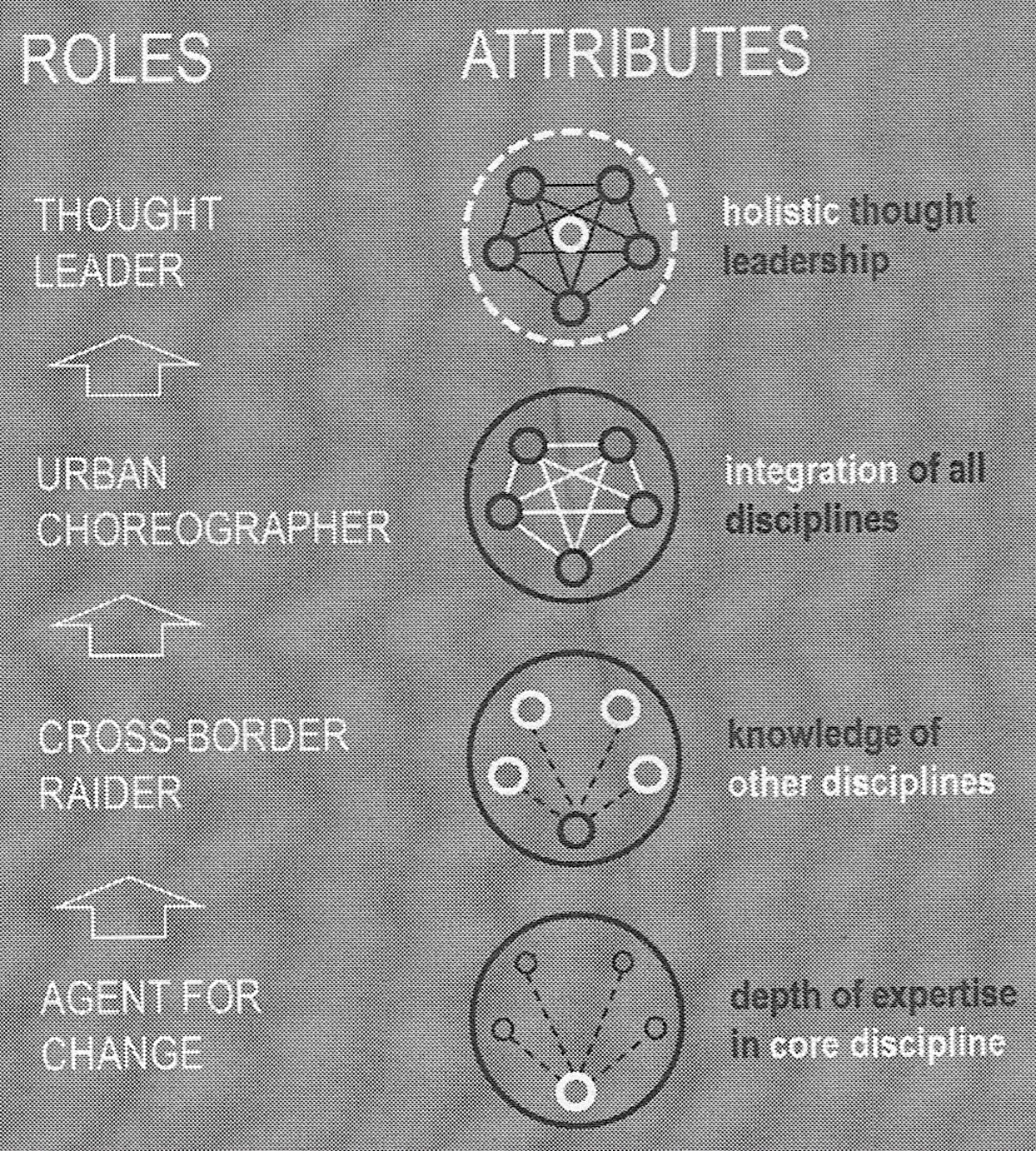
Mentz suggests that these challenges serve to highlight the importance of focused action as place leaders and choreographers in the making of better places. The Future Embraced is intended to function as a motivational framework. This framework should be read through context-specific lenses rather than as a universal, instructional manual. Mentz notes that this approach will ideally allow readers to develop their own frameworks from within their own contexts while using his unavoidably subjective but optimistic framework as a guide. It proposes positive ways of thinking about engagement—and if that message resonates, the book has achieved its purpose.
Early career readers may wish to follow the content sequentially to develop an integrated understanding, while those with an established reflective base may prefer to engage selectively with any one of the ten subsections spread across the book’s 400-odd pages. In doing so, they may find inspiration for specific, focused actions required in the moment.








.jpg)
