Editorial
ABout the Author/s


Editorial - Design of Urban Landscapes
This eleventh issue of the African Journal of Landscape Architecture brings together a diverse and thought-provoking collection of contributions that collectively explore the evolving role of urban landscape design across African and global contexts. Framed around the theme Design of Urban Landscapes, the issue reflects on how landscape architecture operates at the intersection of social, ecological, cultural, and spatial dynamics in rapidly transforming environments.
The contributions span a remarkable geographic breadth—from the bustling streets of Lagos and Nairobi to the heritage-rich neighbourhoods of Cape Town and the sacred landscapes of Khajuraho—yet they converge on fundamental questions:
How can landscape design mediate social tensions? What role do micro-interventions play in broader urban transformation? How might African cities re-imagine themselves through sensory and regenerative design principles?
Henri Comrie opens our dialogue with a deeply personal reflection on practice wisdom, drawing on quotes from urban design to demonstrate how accumulated insights from thirty years of experience can illuminate the gap between theory and action. His examination of practice-based knowledge provides essential context for the African perspective that runs throughout this issue.
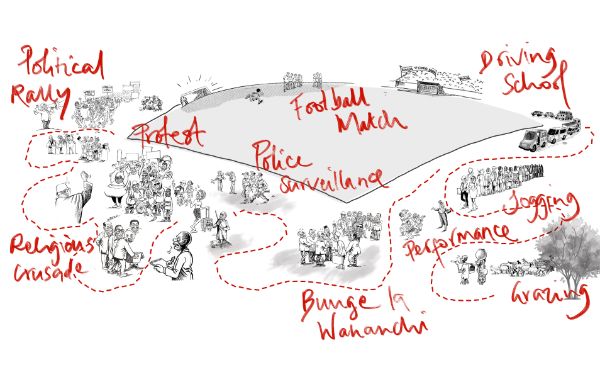
The gendered dimensions of urban space receive critical attention from Mumbi Maina and colleagues, whose comparative study of Nairobi's urban typologies reveals how informal landscapes often achieve greater inclusivity than their formally designed counterparts. This finding challenges conventional infrastructure-led approaches and calls for design strategies that recognise the value of community rhythms and adaptive use. Complementing this analysis, Oluwaseun Yisua's empirical assessment of public open space in Lagos demonstrates how well-integrated landscape elements can enhance urban liveability.
Several contributions challenge conventional, infrastructure-led approaches by emphasising smaller-scale, adaptive, and socially embedded interventions. Debbie Wintermeyer and Betty Mwendwa, for instance, advocate for the transformative potential of micro-places and “urban landscape acupuncture”, respectively—demonstrating how incremental, sensory, and regenerative strategies can catalyse broader urban change.
The mediating power of landscape design emerges as a central theme in Joan Otieno et al's exploration of contested spaces in Nairobi, where they examine how design can transform sites of conflict into shared terrains of belonging.
Similarly, Amy Thompson et al's analysis of Cape Town's Bo-Kaap Market illustrates how responsive design can adapt to complex social, ecological, and heritage imperatives while supporting informal economies.
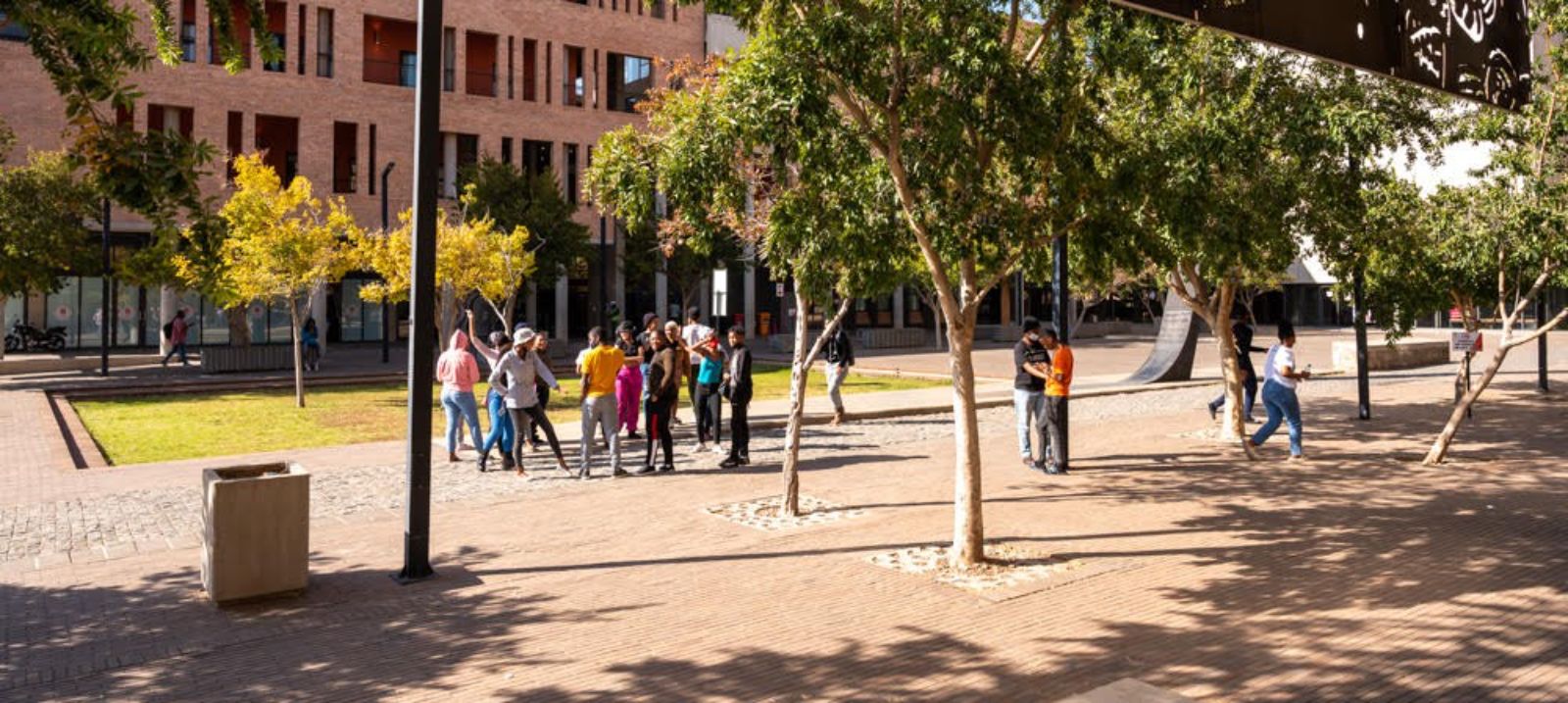
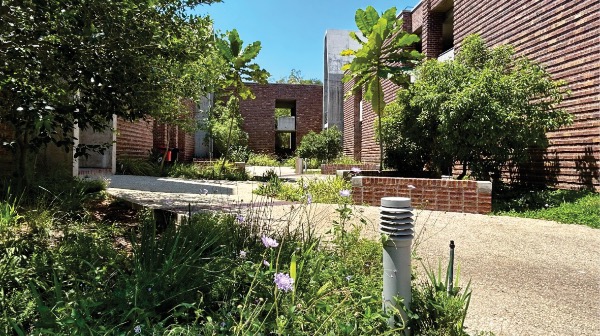
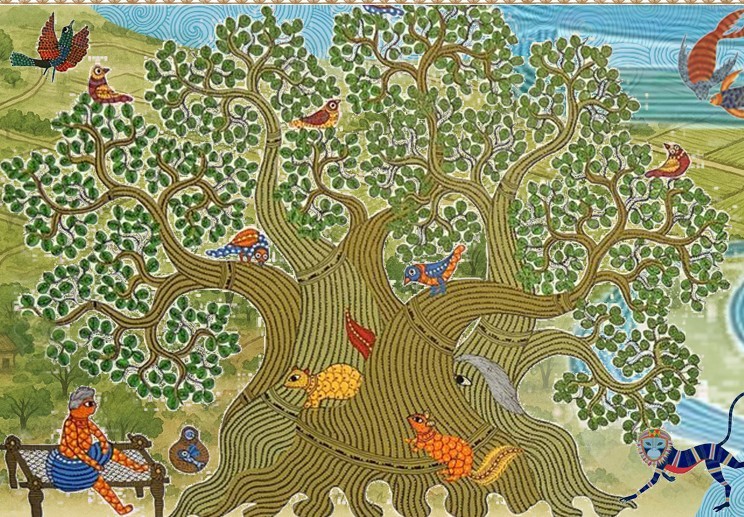
Piet Vosloo's documentation of landscape interventions at the University of Mpumalanga provides insight into how designed landscapes can create empowering environments for students from rural backgrounds, while Anupama Bharti's heritage study demonstrates how landscape design can reconnect communities with their cultural and sacred landscapes.
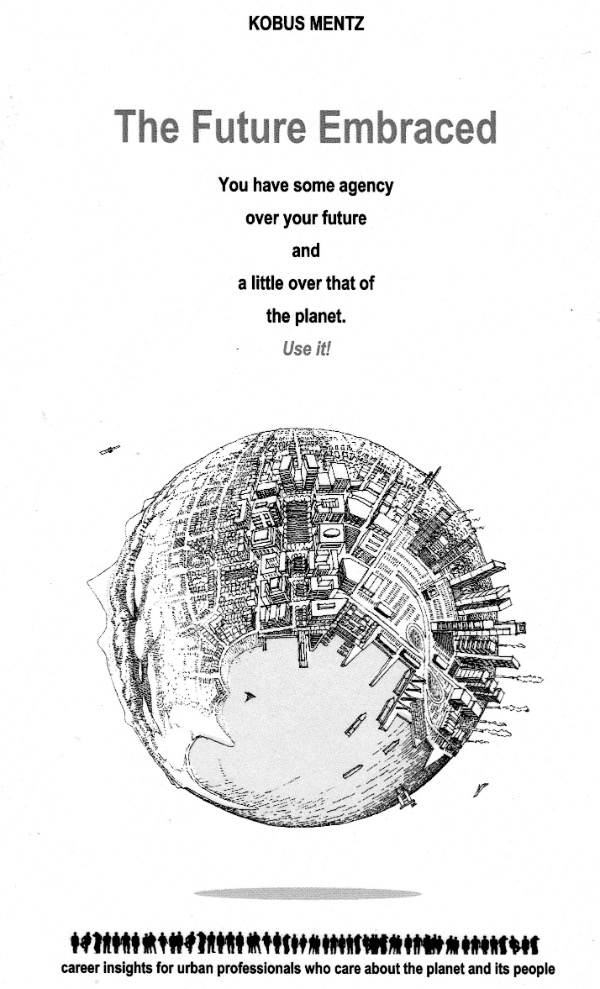
Finally, Kobus Mentz's tribute to Kelvin Campbell offers essential historical context for understanding the trajectory of urban design in South Africa, grounding our contemporary discussions in the work of pioneering practitioners.
Together, these contributions reveal a maturing African discourse on urban landscape design—one that values micro-scale interventions, celebrates cultural specificity, and prioritises community agency. They point toward a future in which African cities are understood as complex, adaptive systems that require nuanced, place-based design responses rather than imported solutions.





.jpg)
