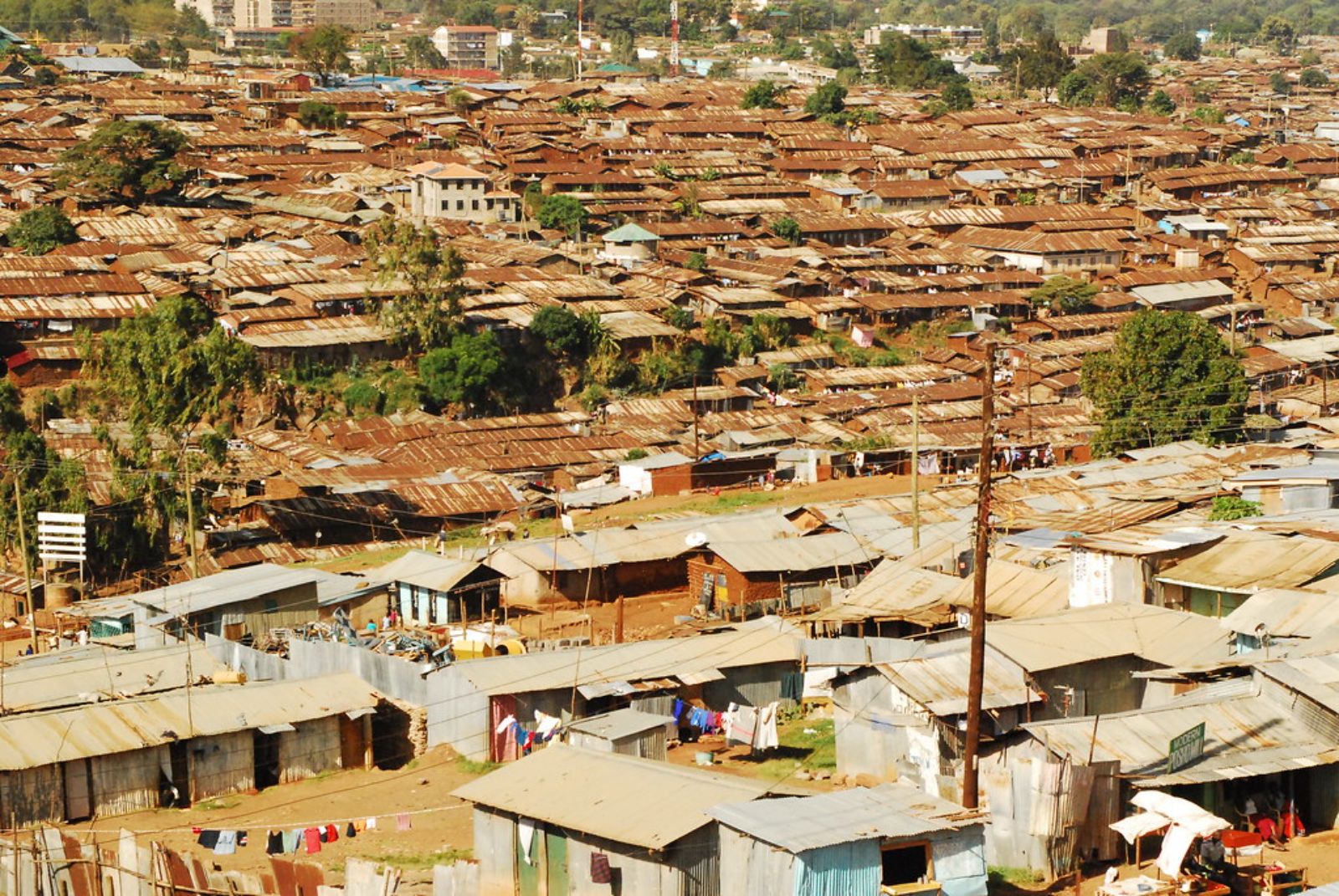
Indigeous Knowledge as a Catalyst for Regenerative, Sensory-rich and Strategically Responsive Cities
ABout the Author/s



L'Afrique est la région qui connaît l'urbanisation la plus rapide, dans un contexte de dégradation écologique croissante, de changement climatique et de désintégration socio-spatiale, largement façonné par des paradigmes d'aménagement importés qui déconnectent les personnes, la culture et la nature (Güneralp et al., 2017). Cet article examine le potentiel de transformation des espaces urbains à travers l'urbanisme sensoriel et les principes du paysage régénérateur ancrés dans le système des savoirs autochtones.
L'approche du paysage urbain régénérateur et sensoriel se positionne comme un moyen de répondre aux incongruités sensorielles telles que la privation et la surcharge sensorielles, le stress thermique, la fragmentation sociale et la rupture écologique, afin de créer des villes qui guérissent et restaurent. La méthodologie stratégique préconisée est l'acupuncture du paysage urbain, qui consiste à mettre en place des interventions à petite échelle mais à fort impact, capables de transformer les villes pour un avenir urbain prospère.
S'inspirant du système de connaissances autochtones et s'appuyant sur une étude de cas de la vieille ville de Lamu, cette étude révèle la vitalité de la réhabilitation des environnements urbains en tant qu'espaces d'appartenance, d'identité et de bien-être humains.
Grâce à un design urbain écologiquement réparateur, une approche culturellement adaptée et évolutive, cet article réinvente le tissu urbain moderne en tant que systèmes vivants curatifs et régénérateurs qui relient, ancrent et rajeunissent les communautés par la réintroduction du calme acoustique, de la terreur tactile, des repères olfactifs et du confort microclimatique.
Africa is the fastest urbanising region amid increasing ecological degradation, climate change, and social-spatial disintegration, largely shaped by borrowed planning paradigms that disconnect people, culture, and nature (Güneralp et al., 2017). This article examines the transformative opportunity of urban spaces through sensory urbanism and regenerative landscape principles rooted in the Indigenous knowledge system. The regenerative and sensory urban landscape approach is presented as a means of addressing sensory incongruities, including sensory deprivation and overload, heat stress, social fragmentation, and ecological rupture, to create cities that heal and restore. The strategic methodology adopted is urban landscape acupuncture, which creates small-scale, high-impact interventions capable of driving urban transformations towards a thriving urban future. Drawing on the Indigenous knowledge system and using Lamu Old Town as a case study, the study reveals the vitality of retrofitting urban environments as spaces of human belonging, identity, and well-being. Through ecologically restorative urban design, a culturally responsive and scalable approach, this paper reimagines modern urban fabric as healing and regenerative living systems that connect, ground, and rejuvenate communities through the reintroduction of acoustic calm, tactile earthiness, olfactory cues, and microclimatic comfort.
Introduction: Reframing Urban Design in Contemporary African Cities.
Contemporary African cities are largely characterised by high rates of urbanisation, which ripple into environmental degradation, urban sprawl, and a rapid surge in spatial inequality. Statistics reveal that Africa is currently the most urbanising region, with 38% of Africa’s population in urban areas, and this share is projected to grow to 54% by 2030 (United Nations Centre for Human Settlements [UNCHS] 2001). However, this growth has largely outpaced cities' capacity to respond sustainably, resulting in fragmented urban development patterns and increasing pressure on critical urban systems. While urbanisation affects multiple dimensions in urban life, this paper focuses on three interrelated systems: the ecological systems (including but not limited to the nature-based solutions, urban biodiversity, and green spaces), social systems (including inclusive public spaces and community environments), and physical infrastructure (including transport networks, water supply, drainage, and sanitation systems). These systems are not only essential for supporting urban populations but also pivotal in shaping the environmental performance, social equity, and long-term sustainability of cities.
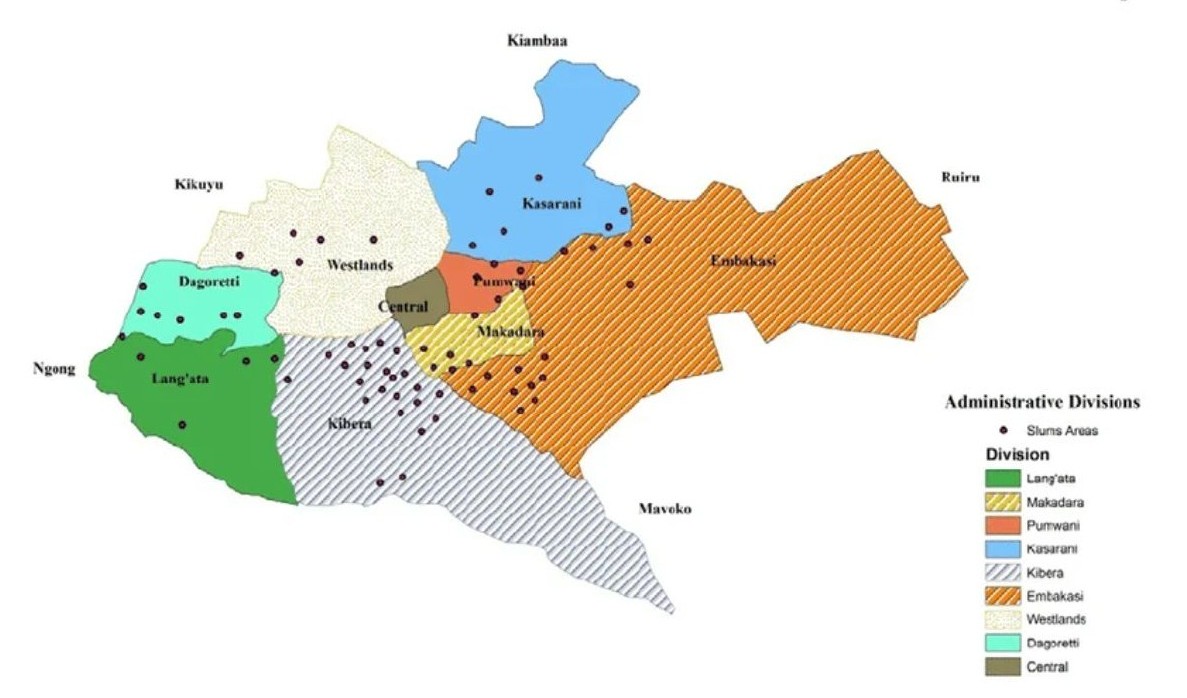
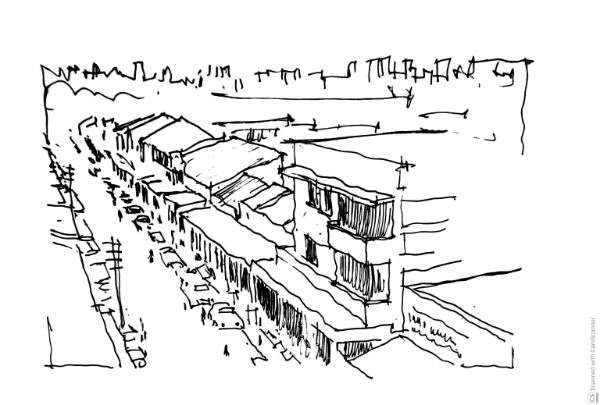
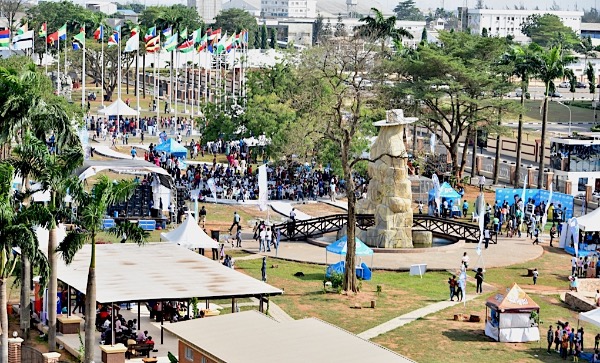
Notably, the majority of the urban population is accommodated in informal settlements. For instance, Nairobi, the capital city of Kenya and a key economic hub in East Africa, is experiencing rapid urbanisation and the subsequent growth of large-scale informal settlements. According to Ren et al. (2020), over the past five decades, the city's population has surged from 0.51 to 4-5 million. Further, the report reveals that over 2 million people in the city live in informal settlements, which make up nearly half of Nairobi's population, yet these settlements cover only 5% of the city’s residential areas and just 1% of the land (Ren et al., 2020). This is a spatial crisis as much as it is a human experience crisis because while it is a human experience crisis through poor living conditions, lack of dignity, limited access to opportunities, and exclusion from safety, it is a spatial crisis evident in the uneven distribution of green and public spaces; high-density living conditions; inadequacy and fragmentation of key infrastructure systems such as transport, water, drainage, and sanitation, becoming a segregated neighbourhood, all emanating from the failure in the urban physical form as illustrated below in Figures 1 and 2 reflecting deeper systemic inequalities.
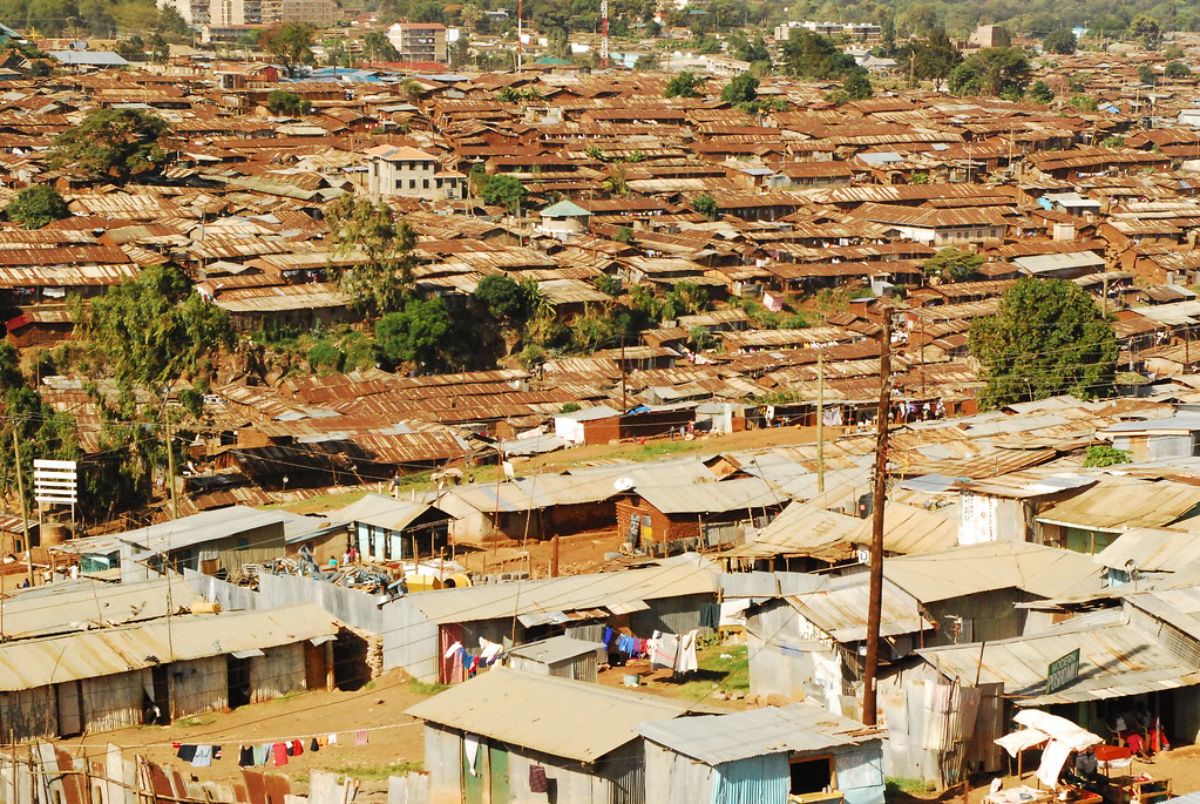
Moreover, modern-day urban landscapes are largely shaped by borrowed planning paradigms instead of planned adaptation, increasing the urban vulnerability and exacerbating the various urban challenges, such as the urban heat islands and stress due to a lack of green spaces that cool the cities or the indigenous materiality with high thermal mass properties, such as clay, stone, or rammed earth. Furthermore, with the increase in impervious surfaces and strained drainage and sewer systems, urban flood vulnerabilities have increased, particularly under vehicular-dominant planning, as opposed to Indigenous planning knowledge that prioritised walkability, user experience, strategic responsiveness, and nature-based solutions, highlighting a critical gap in how metropolises are experienced and planned.
As such, this paper uses a case study of Lamu Old Town, the oldest and best-preserved Swahili settlement in East Africa, listed as a World Heritage Site by the United Nations Educational, Scientific and Cultural Organisation (UNESCO) for its recognition and preservation of cultural heritage, to reveal how Indigenous African knowledge offers a strategically responsive solution to the environmental and sensory deficits within the contemporary urban spaces, while grounding and harmonizing human habitation with the ecology.
This paper argues that retrofitting our urban areas with Indigenous knowledge offers a critical pathway toward creating climate-responsive, culturally grounded, sensory-rich, and socially inclusive urban landscapes. This is achieved by responding to sensory incongruities such as sensory deprivation/overload, heat stress, social fragmentation, and ecological rupture to create cities that heal and restore. In light of sensory incongruities, research reveals that over the years, human-environment interaction has changed, impacting our sensory and perceptual landscapes.
Modern urban areas contain more built structures, disconnecting humans from nature, and more light, noise, and air pollution that cause sensory disruption.
For example, due to little sensory input and unnatural, monotonous materials, there is a feeling of detachment from the environment, bleeding anxiety, and boredom due to sensory deprivation, unlike the Indigenous spaces that were designed with nature, integrating aromatherapy plants and the use of local materials such as clay and earth with sensory richness.
Further research reveals that with urbanisation, the sensory incongruities are worse in the light of environmental injustice since the vulnerable populations in informal settlements, for instance, tend to occupy relatively worse environments characterised by pollution and urban decay, with the cumulative effect becoming detrimental health outcomes leading to health inequity. In a nutshell, there is a mismatch between our natural sensory ecology and the modern built environment; therefore, critical to uphold Indigenous knowledge as a means of responding to the sensory incongruities.
Conceptual Framework
Indigenous African knowledge systems may seem primitive to the Western world, but they can be highly evolved sensory-intelligence technologies and offer a vital foundation for redefining modern urbanism when understood as performative, adaptable design intelligence.
UNESCO (2013) asserts the vitality of Indigenous knowledge, noting that climate change adaptation programs need to be culturally relevant for sustainability. Using a case study of forest destruction in Nigeria, UNESCO reveals the vitality of Indigenous knowledge in forest management to climate change adaptation, noting a need to reconcile Indigenous knowledge and modern Western knowledge.
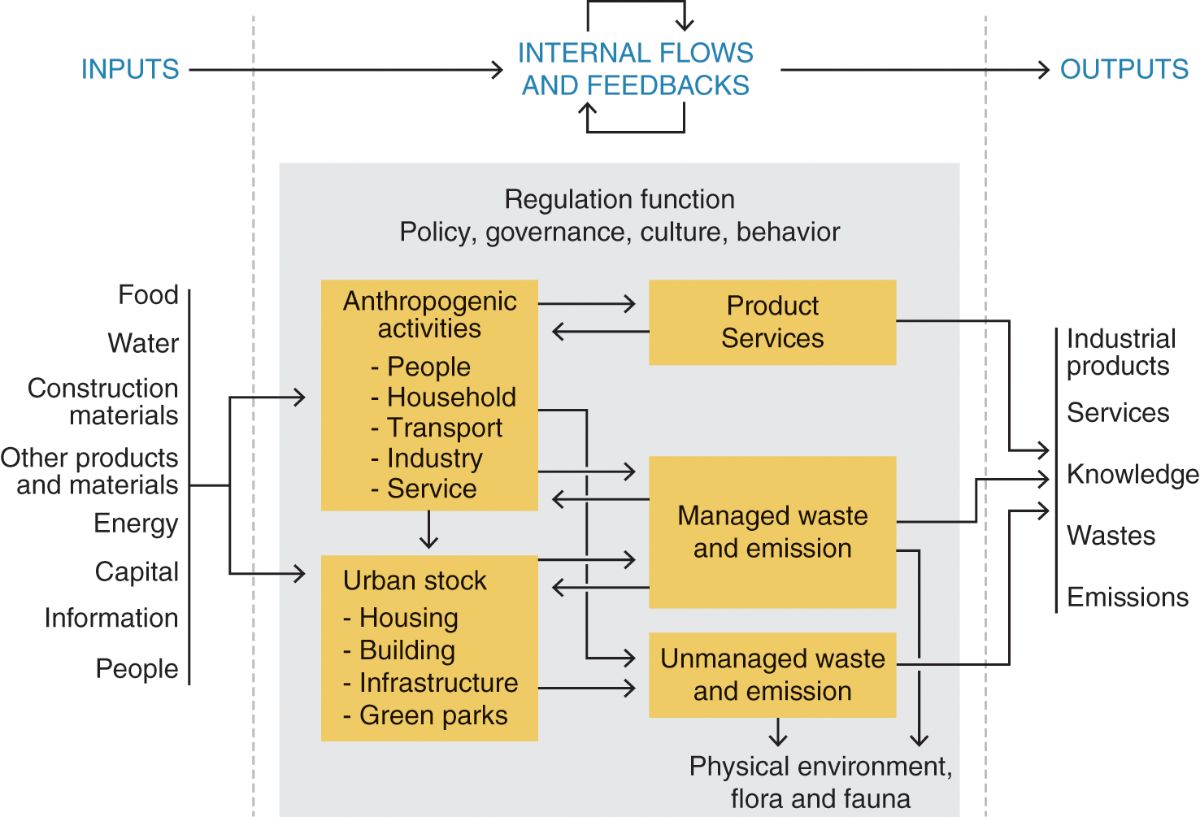
At the macro scale, Indigenous knowledge systems align with the principles of regenerative landscape urbanism, in which cities are viewed as metabolic systems (Zou et al. 2022). In that light, the urban metabolism concept presents cities as living systems with inputs and outputs similar to biological organisms or ecosystems, and capable of regeneration, as illustrated in Figure 3 below (Cheshmehzangi, 2026). Further, Table 1 below illustrates how some key Indigenous practices align with urban metabolic processes and contribute to regenerative urban outcomes.
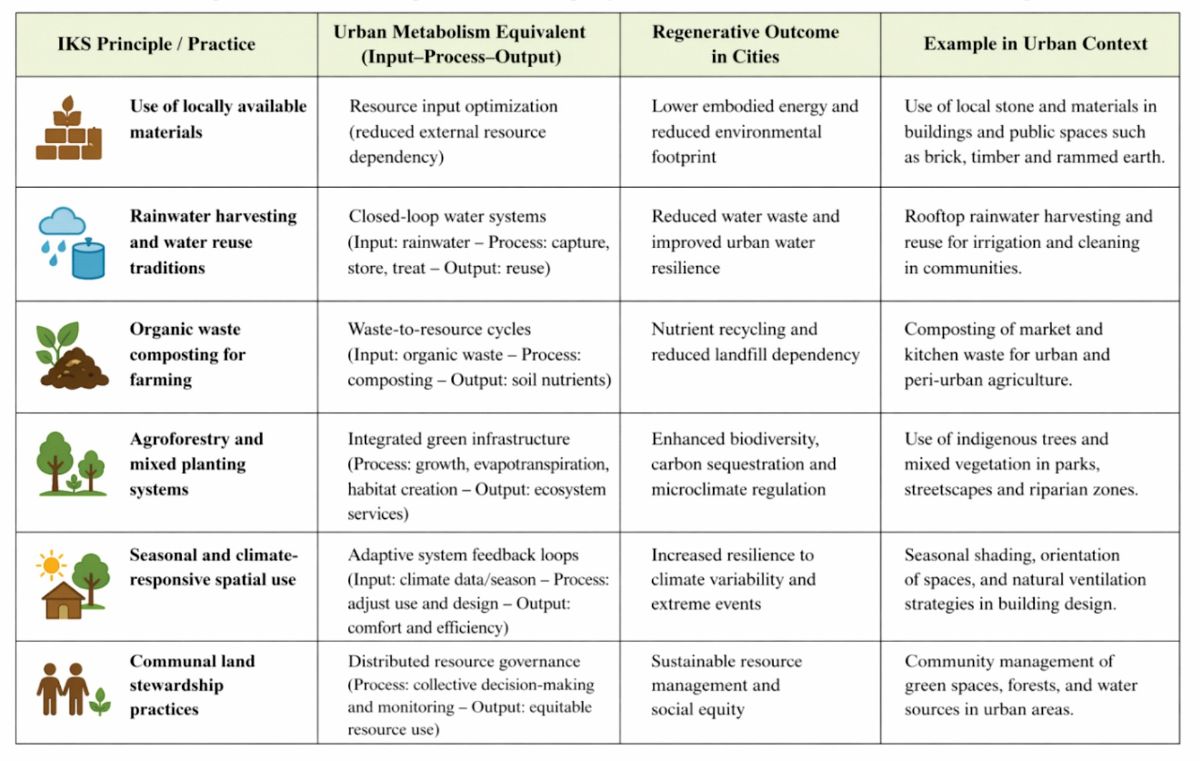
At the human scale, these Indigenous Knowledge Systems (IKS) present as sensory urbanism, shaping the environments that engage all the senses from the olfactory, tactile, acoustic, and microclimate dimensions to create positive sensory experiences that enhance the overall well-being of the users.
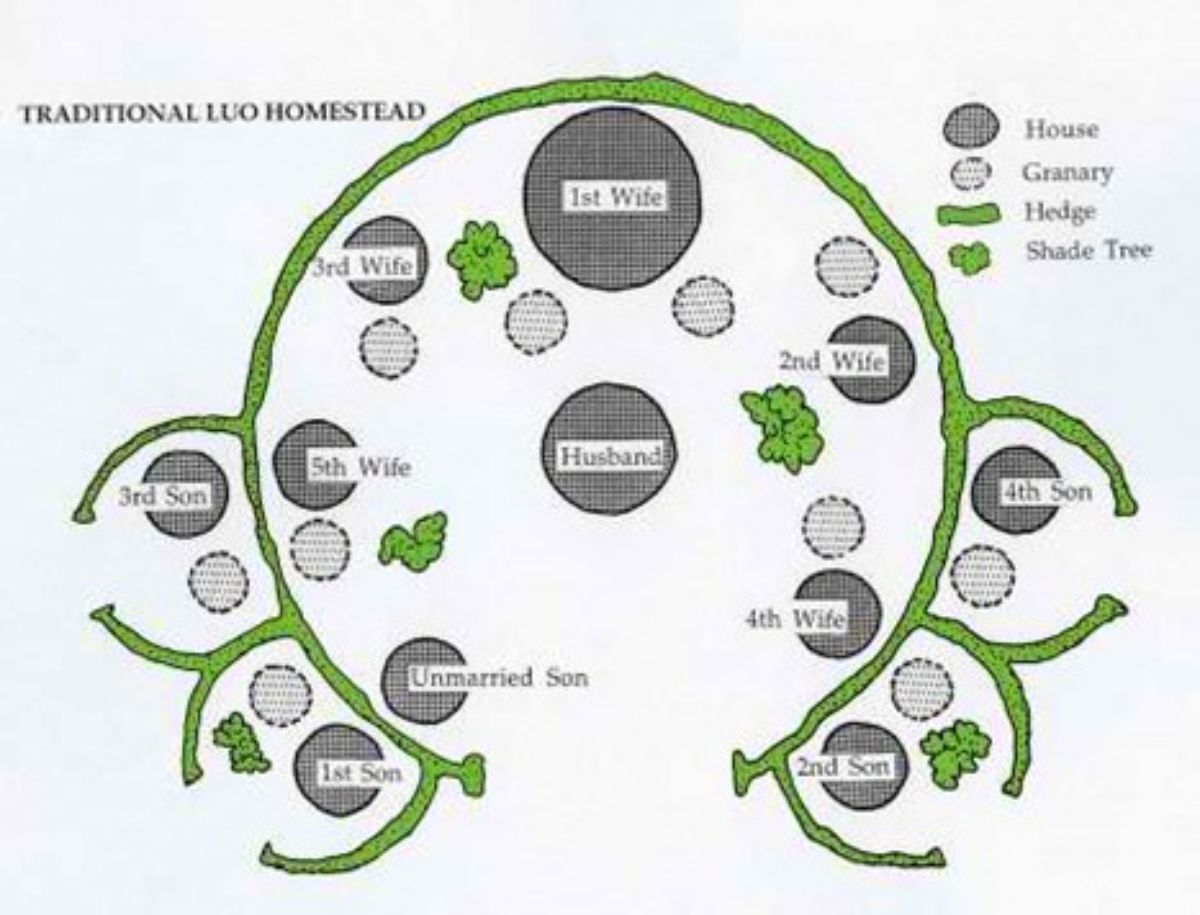
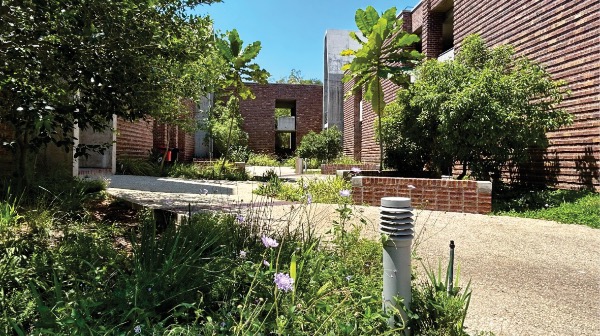
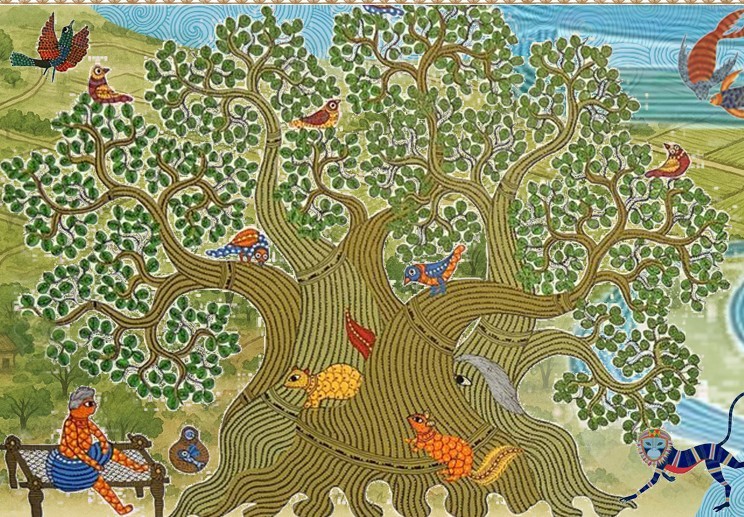
For instance, in the majority of the traditional East African homesteads, such as the Luo community in Kenya, the homestead illustration below reveals in vernacular landscapes that shade trees such as the fig tree and crotons were planted strategically to create microclimates in the homestead through cooling of outdoor spaces, while aromatic plants such as lemongrass and basil were placed near entrances for olfactory purposes. Courtyard surfaces were often finished with compacted earth, which was critical for a distinctive tactile experience underfoot and for creating calmer acoustic environments by buffering noise and wind with vegetation. Together, these elements demonstrate how the Indigenous knowledge system intuitively integrates sensory design to create comfortable, restorative/healing spaces.
Finally, the Indigenous practices, while they might manifest in small, precise interventions, generate widespread ecological and social impacts that resonate with urban acupuncture. This reveals that Indigenous knowledge is not a nostalgic or backwards-looking reference but rather a highly dynamic and scalable model for adaptive and human-centred urbanism that enables sensory-rich, regenerative, and responsive cities. For instance, our cities can be more liveable through retrofitting with Indigenous knowledge by integrating shade trees to regulate thermal comfort, improve acoustic calm, and improve air quality. Further, layered vegetation can buffer road noise and dust, while the adoption of scented and medicinal plants, especially along entrances and pathways, can greatly enhance olfactory richness, and, finally, natural and earthy ground materials can offer varied tactile experiences.
Case Study: Lamu Old Town
Lamu Old Town's urban morphology and spatial structure are performative systems that regulate the climate, shape the movement, and orchestrate a rich sensory environment, making it a good example of how modern urban areas can achieve sensory urbanism by embracing Indigenous knowledge and responding to the climate, culture, and human senses of its inhabitants.
Physical Context
As illustrated in Figure 5 below, Lamu Old Town is located on Kenya's north coast and has a history dating back over 700 years. (Wanderi, 2019). In 2001, Lamu Old Town was listed as a World Heritage Site by the United Nations Educational, Scientific and Cultural Organisation (UNESCO) for its recognition and preservation of cultural heritage, vernacular architecture, and building technologies borrowed from colonists and traders, including Arabs, Portuguese, and Indians.

Urban Morphology and Spatial Structure
The Lamu County Spatial Plan (2017) states that the majority of Lamu's old town buildings are used for residential, commercial, or public purposes. Notably, the town is characterised by narrow, labyrinthine streets and alleys that allow for pedestrian and donkey movement, limiting vehicular dominance.
Labyrinthine street network
Following the case study on the narrow and winding paths in Lamu Old Town, it is imperative to note that these narrow, winding paths constitute performative spatial systems. In this light, this section examines the labyrinthine street networks as a spatial principle that enhances environmental performance and user experience in urban environments.
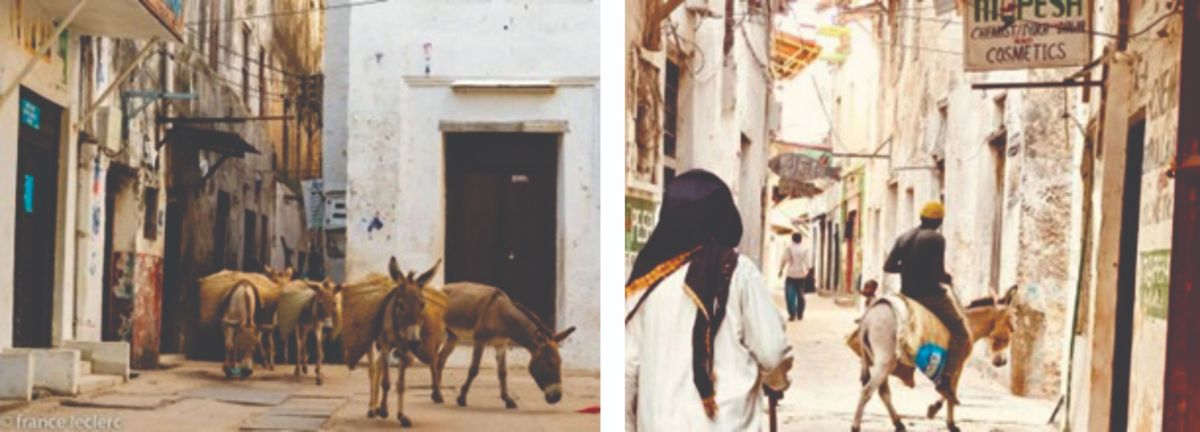
The labyrinthine Lamu Old Town street network is an embedded Indigenous urban strategy that not only promotes pedestrian movement over vehicular dominance but also enhances environmental performance through shade provision, channelling of coastal breezes, and regulation of heat, without overlooking the deepening of the sensory experience and the increase in spatial awareness. According to McElhinney (2009), labyrinthine systems, particularly meander and orbital movement patterns, foster exploration, curiosity, and spatial awareness, allowing for the wanderings of the mind, the constraints of the body, and the structure of the path itself. In this light, the labyrinthine paths enhance the user experience by moving away from visual dominance, thereby creating more spatial awareness, as previously established through the transition from dependence on visual scanning and spatial planning to reliance on vestibular, kinesthetic, and proprioceptive senses.
As such, contemporary urban design can benefit from the application of labyrinthine systems to enhance users' experience and interpretation of the public realm.
While modern spatial theory (McElhinney, 2009) discusses labyrinthine movement patterns, it is pertinent to note that these patterns are also deeply embedded in Indigenous knowledge systems, particularly in vernacular settlements, where they evolved organically in response to culture, social interaction, and climate. As such, modern cities can draw on contemporary spatial configurations rooted in Indigenous knowledge systems, which inform regenerative and human-centred urban design by enhancing environmental performance and user experience, promoting walkability, and enriching the interpretation of the public realm.
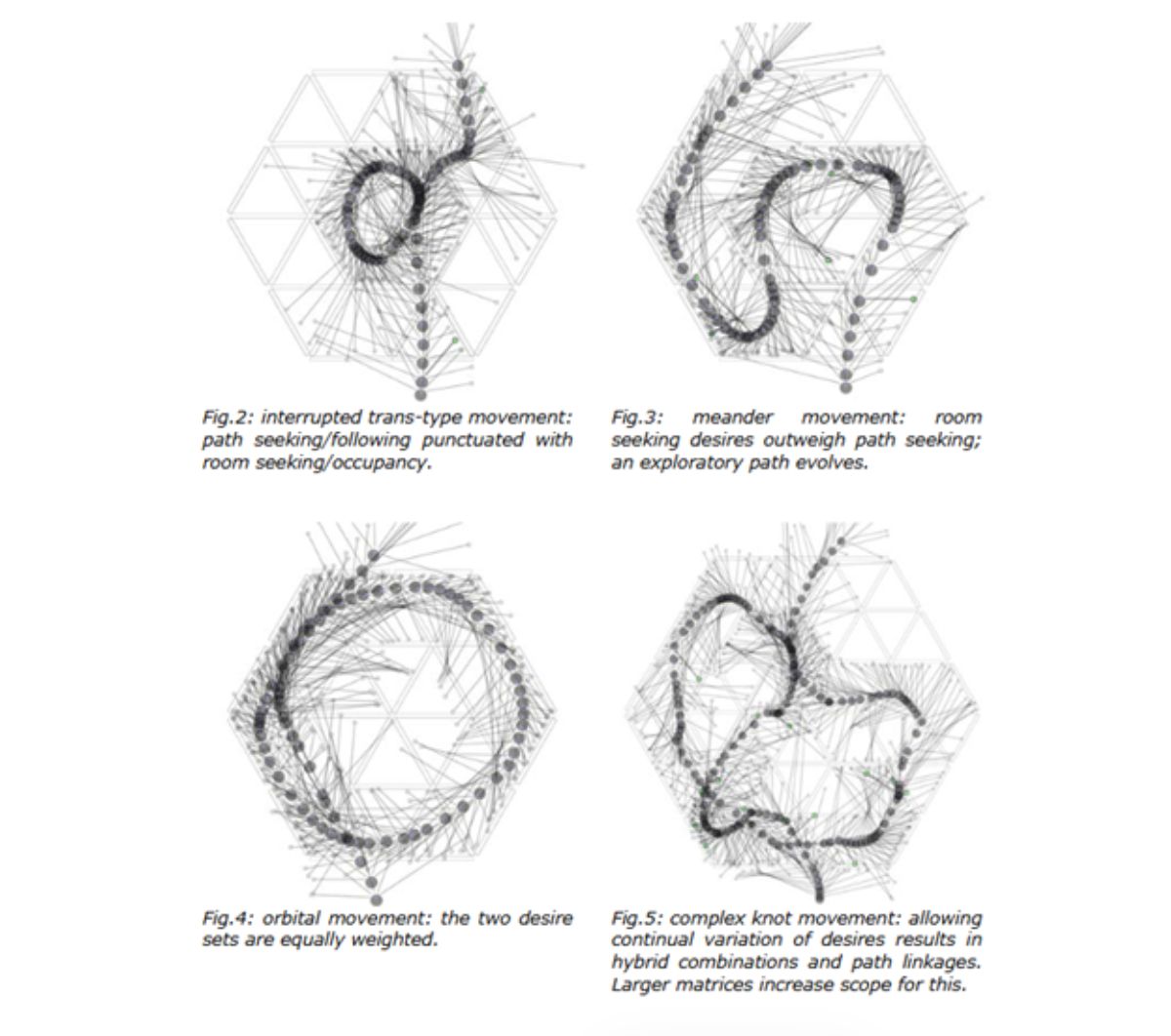
A. Acoustic Design (Hearing the City):
The narrow winding alleys are critical in reintroducing the acoustic calm in the urban fabric. According to Elisha et al. (2025), one of the most intrusive and pervasive forms of environmental pollution is road traffic noise in rapidly urbanising cities globally. The narrow alleys of Lamu's old town reintroduce acoustic calm by limiting vehicular movement, unlike contemporary urbanism, with its exponential growth of vehicular traffic and expanding road networks, which expose city residents to unprecedented levels of chronic noise.
In that light, mitigation measures such as the use of tunnels, noise barriers, and tree belts, limiting of vehicular traffic in some city sections, and promoting non-motorised traffic (NMT) are integral and can borrow from Indigenous knowledge in an effort to reduce road traffic noise (RTN). Drawing on Indigenous communities, noise levels were limited through materiality, such as clay and earth-grounded effects. Notably, the ground effect refers to how the ground interacts with sound waves, causing constructive or destructive interference that can reduce or enhance RTN attenuation.
Modern cities can borrow from the Lamu old town's use of soft coral and lime walls without overlooking the Indigenous prioritisation of soft or porous ground surfaces, which absorb low-frequency sound, thereby reducing reflected energy and attenuating sound. In contrast, concrete or pavement, as seen in modern cities, exacerbates noise levels by reflecting sound waves, thereby amplifying sound at certain distances (Elish et al., 2025).
B. Olfactory Layering (Smelling the City):
The olfactory cues are enhanced through layering and concentration of scents. The constriction of space and slow movement allow users to perceive subtle shifts, such as traces of spicy foods' aromas, the earthy smells of damp, shaded walls, and the salty scent of the ocean, creating sensory richness.
C. Tactile Intimacy (Touching the City):
As illustrated in Figure 8 below, the tactile experience is also heightened within the narrow streets due to the proximity to the textured coral stone walls, carved wooden doors, and dappled shade, fostering an intimate connection with the built environment without overlooking the instant awareness of scale, materiality, and temperature.
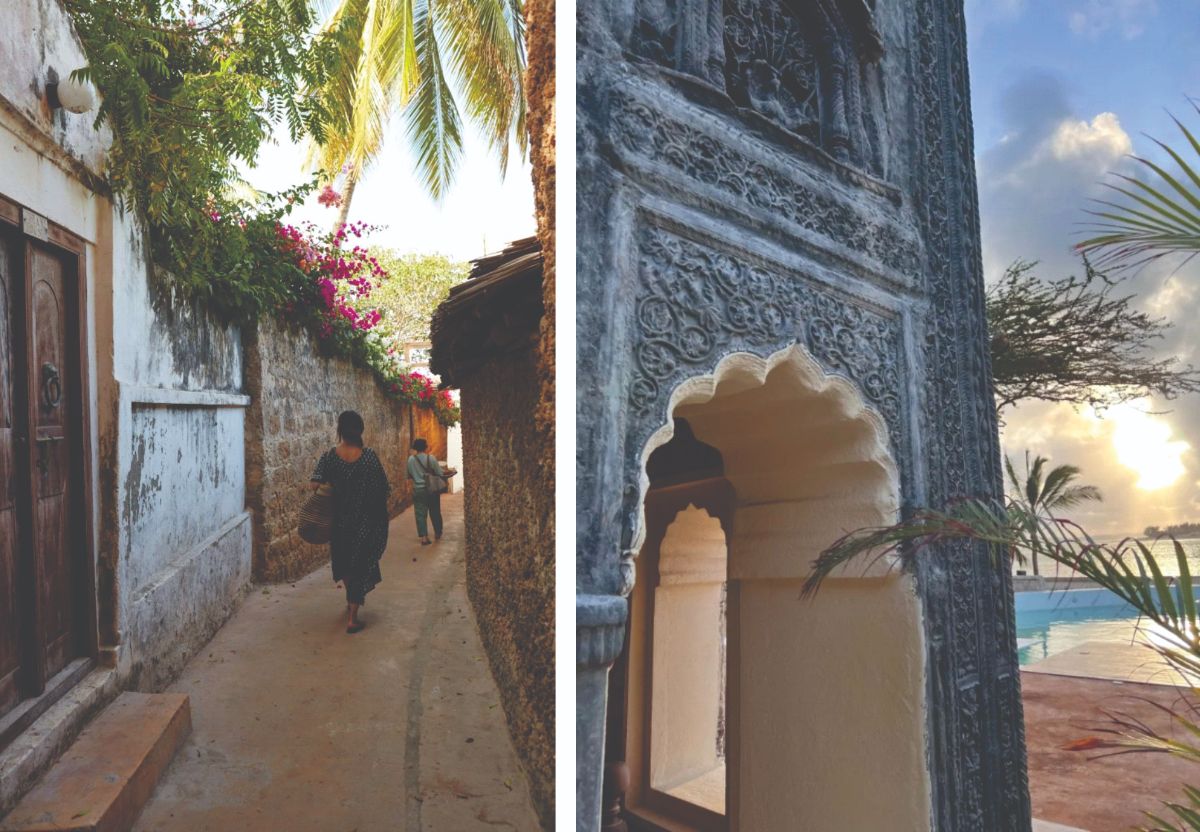
D. Microclimatic Comfort (Feeling the Climate):
Finally, the labyrinth form is highly adaptive and responsive to climate, particularly for microclimate comfort. The constricted pathways ensure continuous shade throughout the day, enhancing thermal comfort and limiting the solar heat gain without overlooking the slowing and channelling of the monsoon winds, allowing for cool breezes as opposed to harsh, uncontrolled gusts and creating breathable corridors that function as passive ventilation systems for the opposite buildings as well as the public realm.
To address issues in modern-day urban fabric, such as urban heat islands and stress, these principles can be scaled to inform climate-responsive planning approaches. For example, shaded corridors can be integrated into street networks, aligned with building orientation and height-to-width ratios to optimise airflow and shading at a district scale. Furthermore, to create microclimate comfort and draw on the IKS, integrating vegetation layers and arcaded walkways, as seen in the Lamu old town vernacular architecture, can further enhance cooling, creating continuous microclimate comfort beyond isolated streets.
As such, retrofitting our modern cities with Indigenous spatial responses could address challenges such as poor air circulation. Urban heat islands and user discomfort are moving the cities towards breathable, passively cooled, and human-centred environments.
The Missing Link in Modern Urbanism
Unlike Lamu Old City, contemporary African urbanism has largely been shaped by imported planning paradigms characterised by rigid grids, expansive road networks, and car-dominated systems. While these models have improved mobility and, more so, the motorised networks, they have simultaneously contributed to a profound erosion of the sensory qualities that make cities humane and meaningful.
In prioritising movement over experience, modern urban environments have gradually eliminated critical sensory dimensions. Acoustic softness has been replaced by relentless noise; olfactory identity has been diminished by pollution and homogenization; tactile richness has given way to smooth, impervious surfaces; and thermal intelligence, which is embedded in vernacular design, has been overridden by heat-absorbing materials and exposed urban forms.
As a result, many contemporary cities have become highly motorised and experientially deficient, and increasingly disconnected from the human body and mind. They operate and perform, but stop short of resonating with the human body.
Reframing through Indigenous Knowledge
Building on insights from Lamu Old Town and addressing contemporary urban challenges, there is a need to retrofit our cities with indigenous knowledge that upholds the concept of regenerative sensory urbanism, an approach rooted in Indigenous Knowledge Systems (IKS). This paper proposes a transition from predominantly visual, large-scale, and externally derived planning models toward a more integrated and human-centred approach grounded in sensory and Indigenous intelligence. For example, Lamu Old Town's spatial structure exemplifies how an Indigenous knowledge system can be embedded in the urban fabric to create a more human-centred urban ecosystem.
As established earlier, prioritising of non-motorised traffic through narrow alleys, can be adopted in our vehicular-dominant cities. By fostering walkability, social interactions are promoted alongside a more reflective engagement with the public realm's qualities, aligning with principles that go beyond visual dominance towards a multisensory design and an immersive urban experience that prioritises well-being. Additionally, reintegrating IKS in the modern urban fabric is a source of climate-responsive and culturally grounded design intelligence.
In Lamu Old Town, for example, the narrow alleys, vegetation alteration, and balcony protrusions act as passive cooling mechanisms, enhancing thermal comfort. Similarly, urban heat islands, air pollution, and urban floods can be addressed through similar mechanisms without overlooking the sponge city concept, which is rooted in the IKS. Overall, cities are no longer seen merely as physical infrastructures. By adopting urban acupuncture strategies rooted in the IKS, cities, as living sensory environments, can support both ecological regeneration and human flourishing.
Conclusion
The future of African urbanism cannot be secured by infrastructure provision alone. While essential, infrastructure without experiential and humane qualities risks producing alienating environments.
What is needed is a deeper transformation, one that emphasises reconnection among people, place, and the senses. This involves re-sensitising and retrofitting urban environments as spaces of human belonging, identity, and well-being, guided by a deep understanding of the role Indigenous knowledge should play.
Cities must move beyond merely sustaining life to actively enriching it. They must:
• Heal and restore ecological systems.
• Reinforce cultural and spatial identity.
• Engage the full spectrum of human senses.
• Support mental, emotional, and physical well-being.
Ultimately, the goal is to create cities that do not merely function. Function is only the beginning of a discourse that must move towards creating cities that feel deeply, meaningfully, and inclusively.





.jpg)
