Call for Submissions
AJLA Issue 0
12
titled
Learning through Landscapes
is now open for submissions.
As we bring together this August edition of the IFLA Africa Newsletter, I am struck by a recurring thread running through many of the stories in this issue: the importance of learning from place, from people and from one another.
Across Africa and beyond, landscape architecture continues to engage with increasingly complex questions of identity, heritage, urbanisation, climate and sustainability. Yet the stories featured in this edition remind us that meaningful responses cannot emerge from technical knowledge alone. They require us to understand the cultural systems, lived experiences and landscapes that shape the places in which we work.
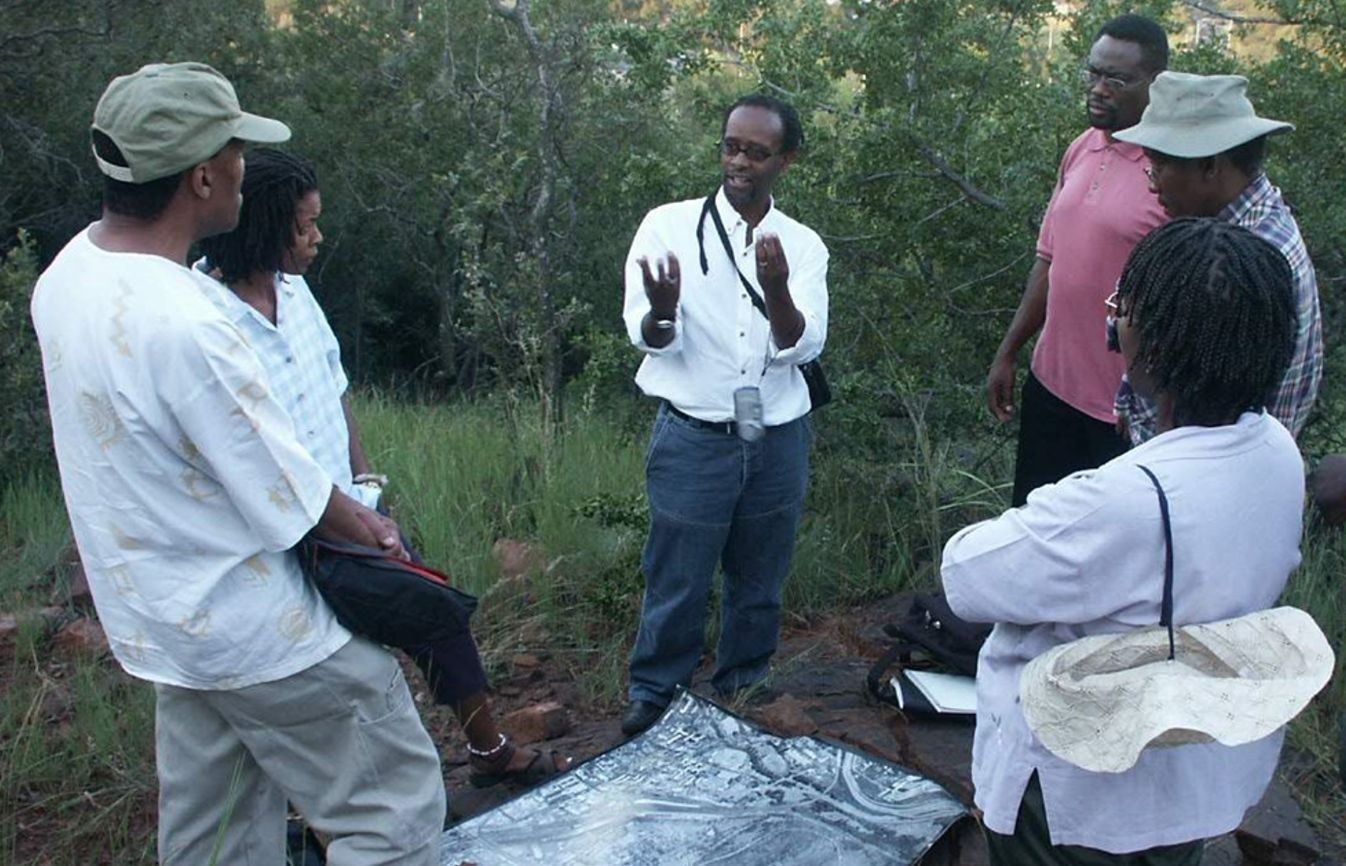
This issue takes us from the heritage streets of Esna, where Takween's approach to revitalisation demonstrates that conservation is about far more than restored facades, to the landscapes and wilderness areas that became classrooms for generations of landscape architecture students in South Africa. Graham Young's reflection on the influence of Lawrence Halprin offers a timely reminder that, before we design a landscape, we must first learn to experience it.
We also travel to Marrakech, where the Association des Architectes-Paysagistes du Maroc's visit to Menara Prefa demonstrates the value of connecting landscape architects with the industries, materials and processes that help bring our designs into being. Such exchanges may appear modest, but they are an important part of building a stronger professional community, one conversation, site visit and shared experience at a time.
This spirit of connection also resonates with the discussions emerging from the Southern Urbanism Co-Net 2026, hosted at the University of Lagos. Conversations around indigenous knowledge, informal settlements, rural-urban relationships and locally grounded approaches to planning remind us that the future of African cities cannot simply be imported. It must be negotiated through the realities, cultures, ecologies and aspirations of the people who inhabit them.
These questions also connect closely with reflections from the 48th session of the World Heritage Committee, held this year July in Busan, Republic of Korea. The World Heritage Convention is often understood through the lens of governments, international organisations and the decisions taken by the Committee. Yet the Convention is sustained by a much wider ecosystem of actors. Civil society organisations, professional bodies, community groups, researchers and practitioners all play an essential role in shaping how heritage is understood, protected and transmitted.
For organisations such as IFLA, this relationship with UNESCO and the wider World Heritage system is particularly important. Landscape architects bring perspectives that help connect heritage with living landscapes, ecological systems, cultural practices and the everyday lives of communities. Civil society also provides an important space for independent exchange, professional knowledge and dialogue across national boundaries.
In the grand architecture of the World Heritage Convention, governments may hold the formal keys, but civil society helps keep many of the rooms alive. It connects global frameworks with local realities, brings specialist expertise into wider conversations and, importantly, creates opportunities for communities and professionals to participate in shaping the future of the places that matter to them.
As this issue demonstrates, whether we are learning directly from a landscape, revitalising a historic town, rethinking African urbanism or building new professional connections, our work is strengthened when we remain open to different forms of knowledge and to the people who hold them.
I hope this edition offers both inspiration and an invitation: to step outside the familiar, to listen more carefully, and to continue building the connections that will help shape more resilient, meaningful and culturally grounded landscapes for the future.
Happy reading!
