
[Not from the President] Before the Drawing: Learning Landscape Through Experience; What happens before design begins?
ABout the Author/s

“… moving along the upward spiral requires us to learn, commit and do increasingly high planes. We deceive ourselves if we think that any one of these is sufficient. To keep progressing, we must learn, commit, and do – learn, commit and do – and learn, commit and do again!” 1 Stephen R. Covey
The Field Work in Natural Environments programme at the University of Pretoria, which I introduced to the third-year design studio, is based on a fundamental idea: landscape architects need firsthand experience of a place before designing for it. This concept emerged during my studies at the University of Toronto in the 1970s, when field trips into natural environments demonstrated the educational value of learning through direct contact with the natural world. It became fully clear many years later. Reflecting on over thirty years of teaching landscape architecture at the University of Pretoria, I realise that this programme’s origins predate my academic career. Its foundations are rooted in my years as a landscape architecture student in Toronto and are significantly influenced by one of my early heroes, the American landscape architect Lawrence Halprin.
As students, we were fortunate to spend time beyond the design studio. Our lecturers often took us into the forests and wilderness of central Ontario, where we learned to experience landscape directly rather than simply analyse it. We walked, observed, sketched and reflected, discovering that the qualities that make a place memorable cannot always be measured or mapped. The smell of damp woodland after rain, the changing light beneath a forest canopy, the rhythm of a flowing stream and the quiet of untouched places all became part of our education.
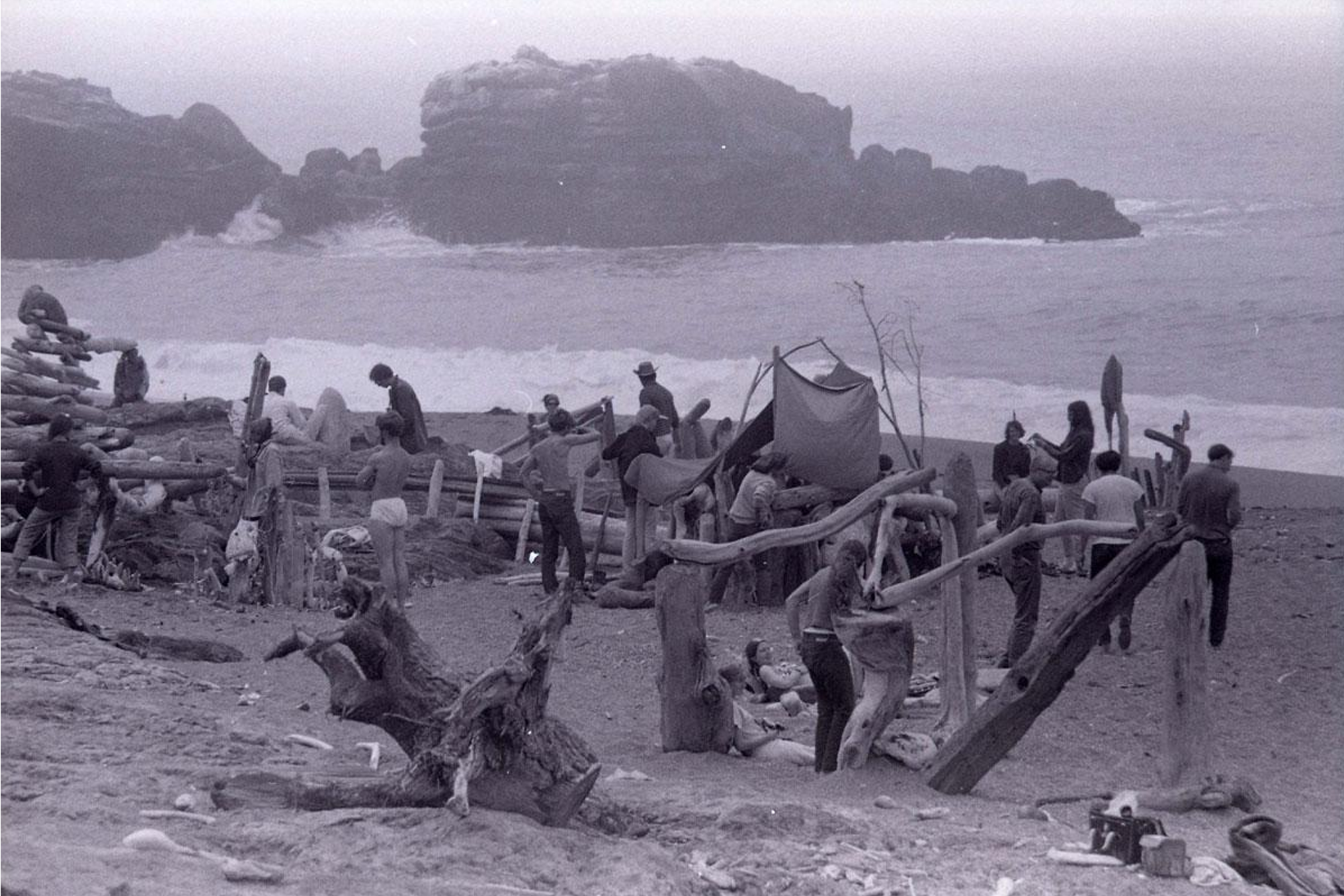
During those years, I also discovered Lawrence Halprin's writings and even visited one of his notable projects, Ghirardelli Square in San Francisco. His educational philosophy, expressed through the Experiments in Environment workshops at Sea Ranch on the northern California coast and later through The RSVP Cycles2, argued that design should emerge from direct engagement with place. Halprin believed that before designers drew plans, they should first learn to move through landscapes, listen to them, touch them and understand them with all their senses. His workshops replaced the conventional classroom with the landscape itself, encouraging participants to learn through movement, collaboration, experimentation and reflection.
Those experiences and ideas remained with me throughout my professional life. Nearly eighteen years after graduating, I found myself in the fortunate position of teaching landscape architecture at the University of Pretoria. It was then that I was able to transform those early influences into what became our Field Work in Natural Environments programme. The third year design studio programme was never intended simply as a field trip. Instead, students were encouraged to move through a sequence of discovery: first observing the landscape objectively, then experiencing it through all their senses, and finally reflecting on its unique sense of place. They learned that landscape character emerges from the interaction of natural systems, cultural history and human perception, and that understanding these relationships requires more than technical analysis.
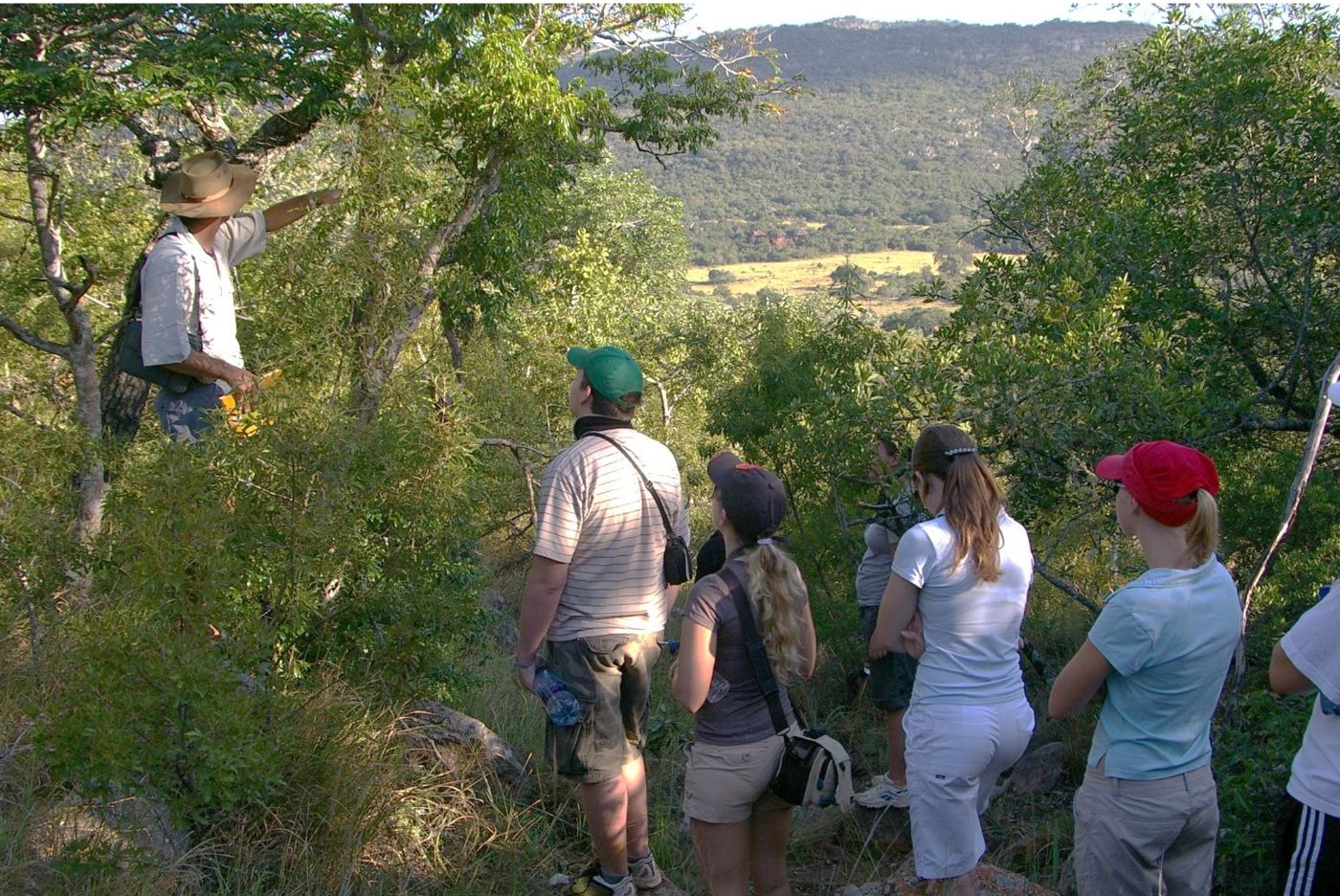
As the programme evolved, students undertook guided visualisation exercises, created temporary landscape interventions using found natural materials and worked collaboratively to construct ritual spaces that explored meaning, memory and community. These ephemeral installations echoed many of Halprin's own educational experiments while responding to the distinctive ecological and cultural landscapes of southern Africa. The objective was never to leave a permanent mark on the landscape, but rather to leave a lasting impression on the student.
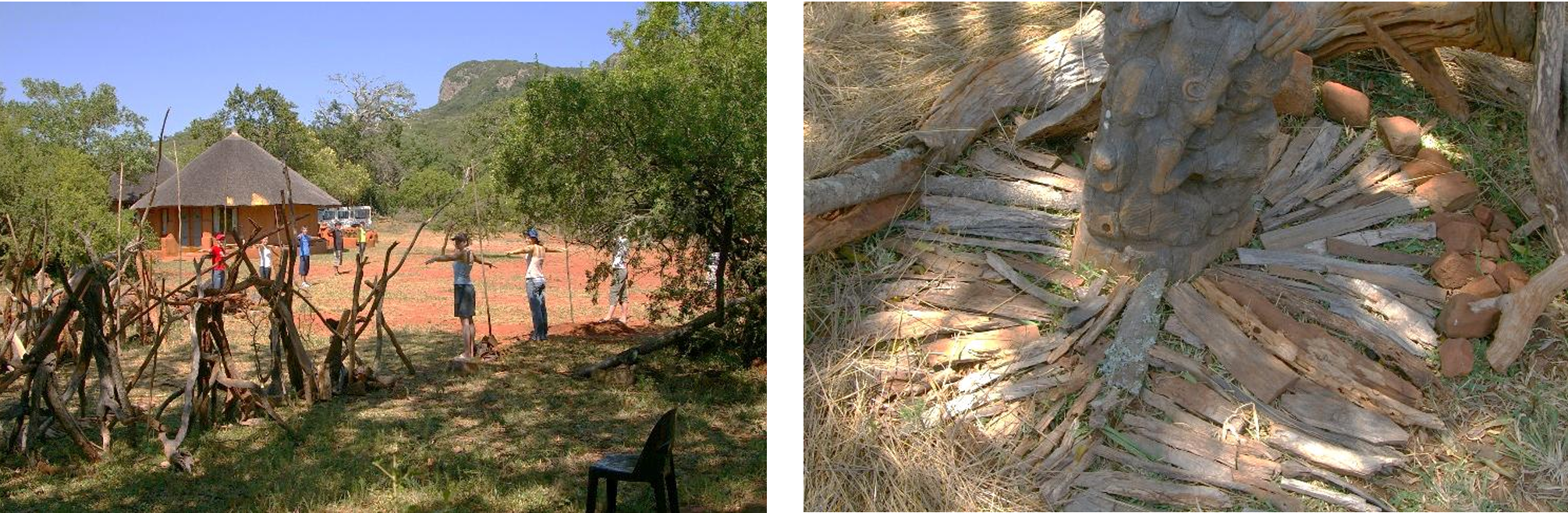
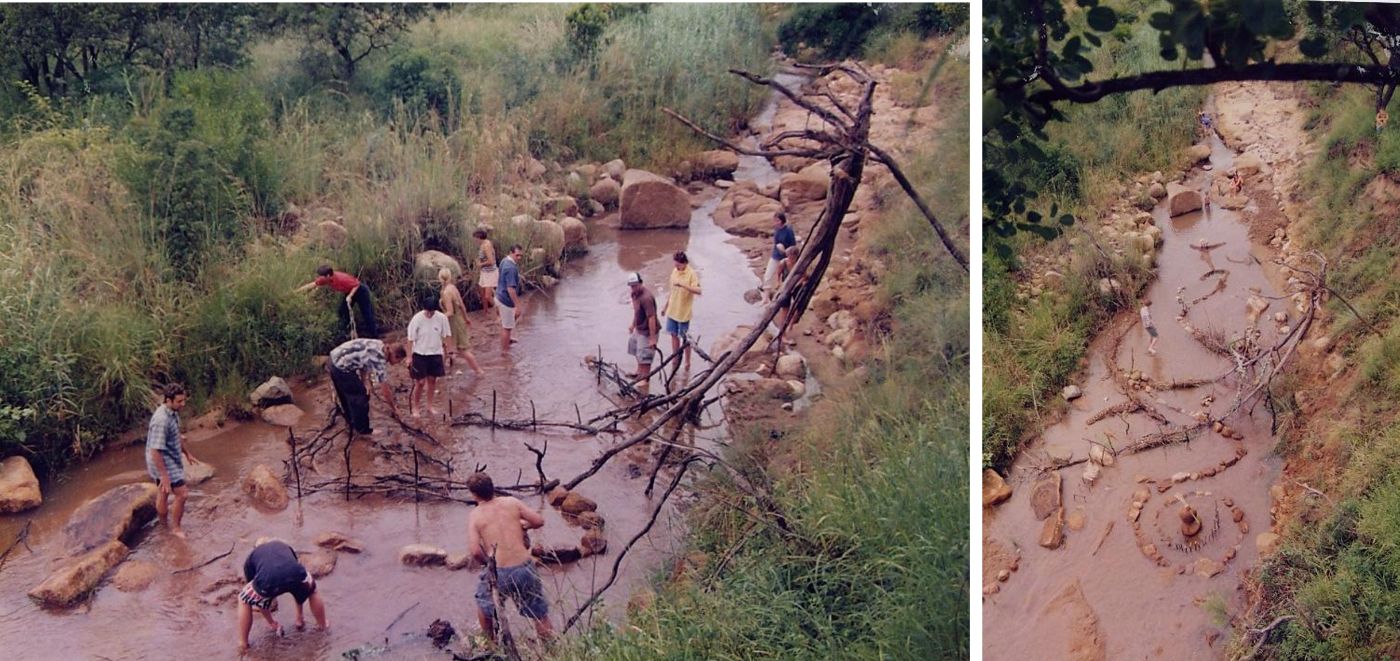
Looking back, the parallels between Halprin's philosophy and the University of Pretoria programme are striking. Both emphasise learning through direct experience rather than detached observation. Both encourage creativity through participation, imagination and collaboration. Most importantly, both recognise that landscapes are not simply collections of physical elements but places of memory, atmosphere and lived experience.
Today, when digital technologies provide increasingly sophisticated tools for analysing landscapes, these lessons are perhaps even more relevant. Geographic information systems, remote sensing and artificial intelligence have transformed our profession, yet they cannot replace the insights gained by walking through a place, feeling its climate, hearing its sounds or sensing its atmosphere. These experiences cultivate observation, empathy, ecological awareness and creative judgement—qualities that remain at the heart of landscape architectural education.
Reflecting on this journey, I realise that educational ideas often travel remarkable distances. What began on the beaches of Sea Ranch found its way into the forests of Ontario and, from there, into the grasslands, mountains, and natural landscapes of South Africa. Along the way, those ideas evolved, responding to new environments, cultures and generations of students, yet their central message remained unchanged: before we can design landscapes, we must first learn to experience them.
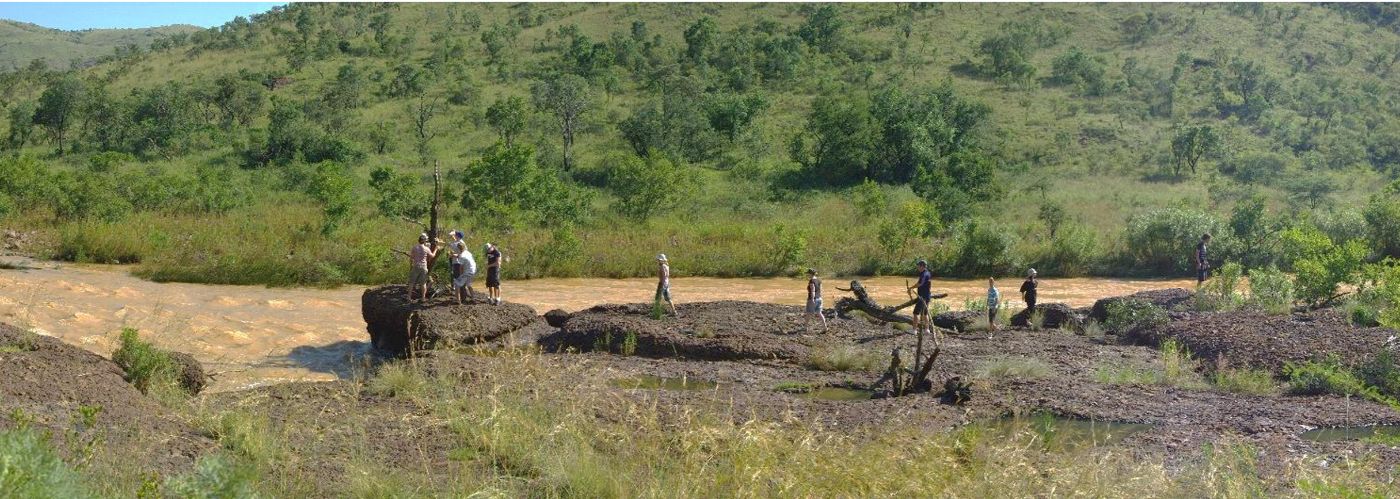
Covey's observation at the start of this article—that progress involves repeatedly learning, committing, and acting—captures the essence of experiential landscape education. The iterative cycle of learn → commit → do mirrors both Halprin's RSVP Cycles and my own pedagogical philosophy of repeated immersion in the landscape, in which each field experience deepens perception and informs more thoughtful design. It emphasises that growth isn’t driven by knowledge alone but by an ongoing cycle of learning, dedication, and action. In landscape architecture, students initially learn from the landscape, commit to understanding it, and then apply that understanding to create thoughtful designs. Each return to the field deepens this cycle, fostering greater awareness and insight.
The classroom, after all, has always been waiting outside.
End Note:
An expanded version of this article, exploring the connections between Lawrence Halprin's educational philosophy and the development of the University of Pretoria's Field Work in Natural Environments programme in greater depth, will appear in the next issue of the African Journal of Landscape Architecture. The issue will be published in early November 2026.
