.png)

Southern Urbanism Co-Net 2026: Negotiating Rural-Urban Futures
ABout the Author/s

The Southern Urbanism Co-Net 2026 brought together scholars, practitioners, researchers, students and built environment professionals at the University of Lagos for a timely exploration of the changing relationship between rural and urban spaces across Africa and the Global South.
Held from 24–25 August 2026 at the Arthur Mbanefo Digital Research Centre, the second edition of the conference explored the theme “Negotiating Rural-Urban Futures.” The event was jointly hosted by the University of Lagos’ Departments of Interior Architecture and Design and Urban and Regional Planning, following a six-day international student workshop and exhibition.
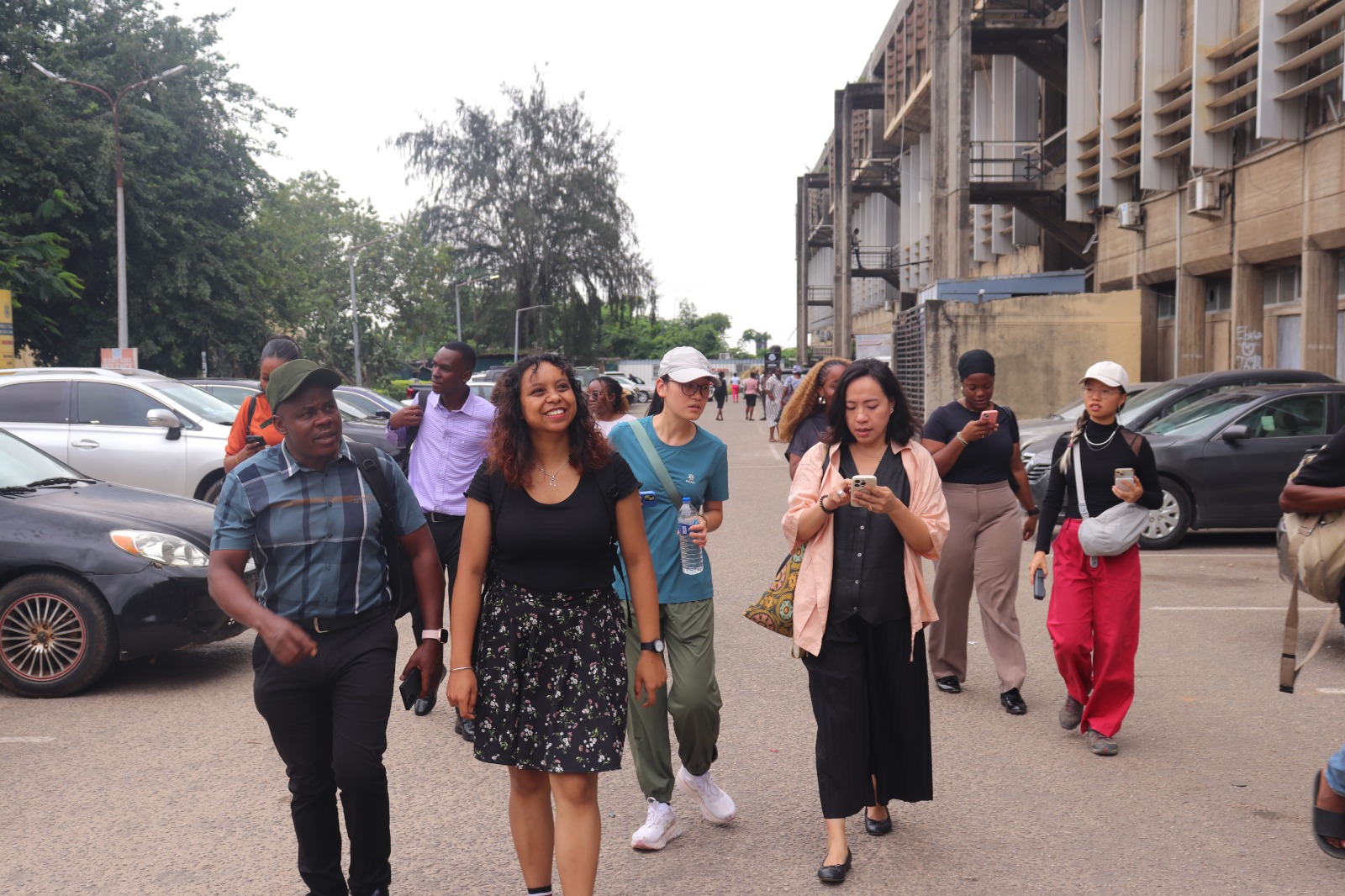
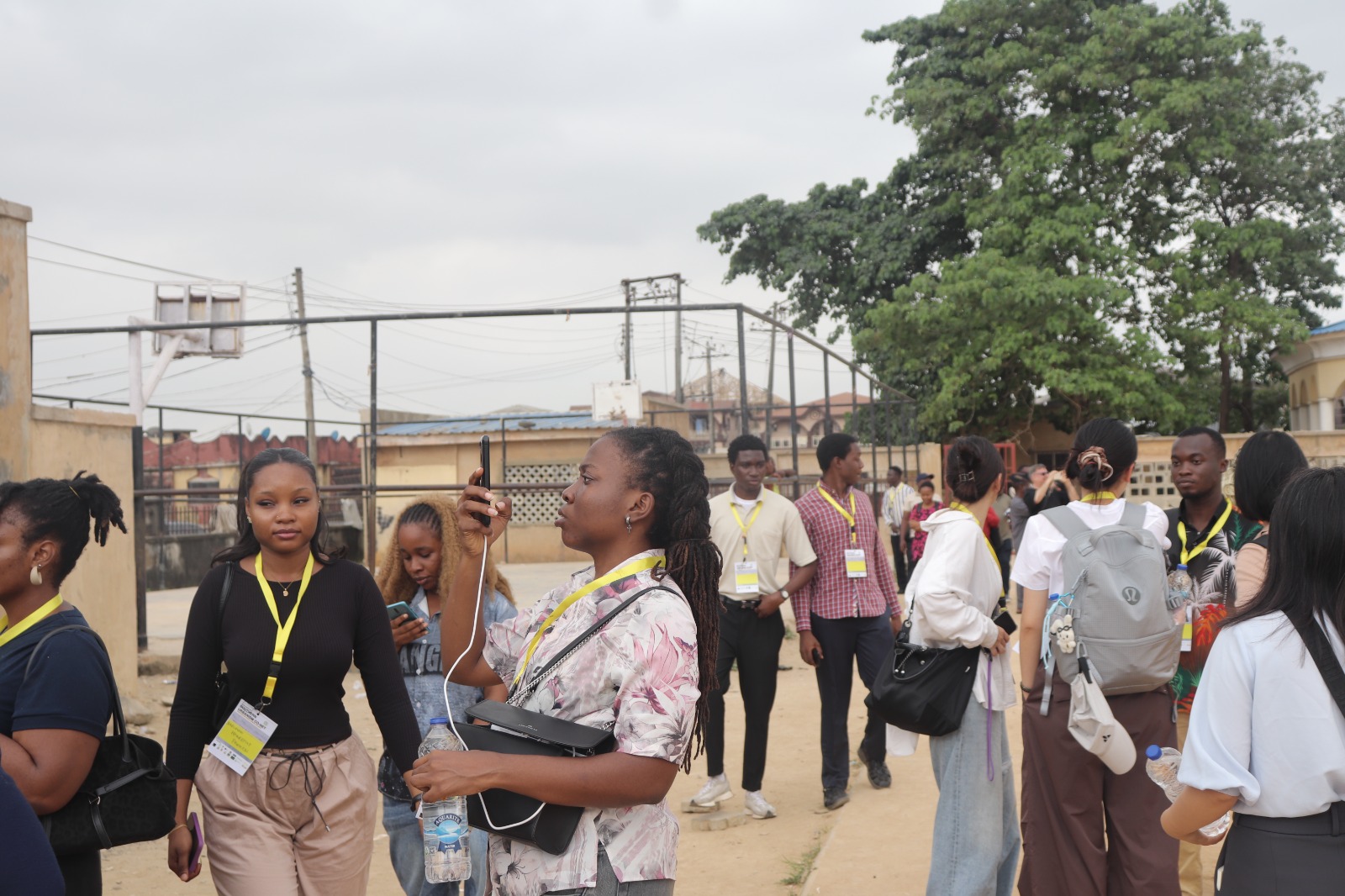
The conference created a platform for critical conversations around rapid urbanisation, informal settlements, environmental pressures, spatial inequality and the need for development approaches that are more responsive to local realities. Under the theme “Negotiating Rural-Urban Futures,” participants explored how cities and settlements can become more equitable, resilient, sustainable and culturally grounded.
A particularly important feature of the programme was the inclusion of special roundtable sessions involving UNESCO and UN-Habitat. These sessions brought an international policy and development perspective into the wider conversations on urbanisation, sustainability, heritage and the future of African cities.
For participants, the engagement with organisations such as UNESCO and UN-Habitat provided an important bridge between academic discourse and the global frameworks shaping urban development. The conversations reflected the growing need for interdisciplinary and region-sensitive approaches that recognise the connections between people, place, culture, heritage, ecology and the built environment.
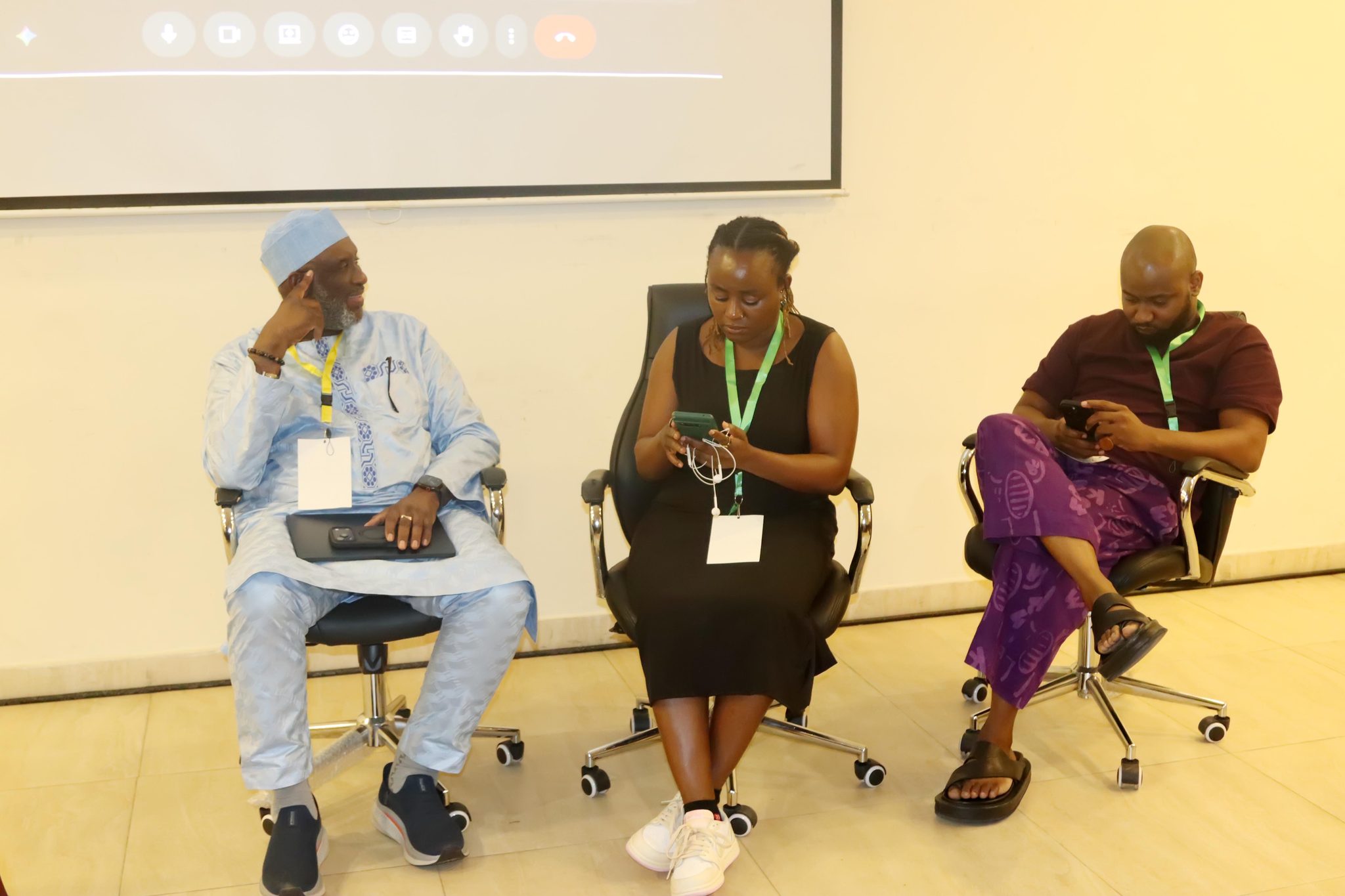
The conference also drew attention to the importance of informal markets and settlements as significant social, economic and spatial systems within African cities. Rather than viewing these spaces solely as problems to be removed, discussions highlighted the need for planning and development approaches that understand local systems, lived realities and the knowledge embedded within everyday urban life.
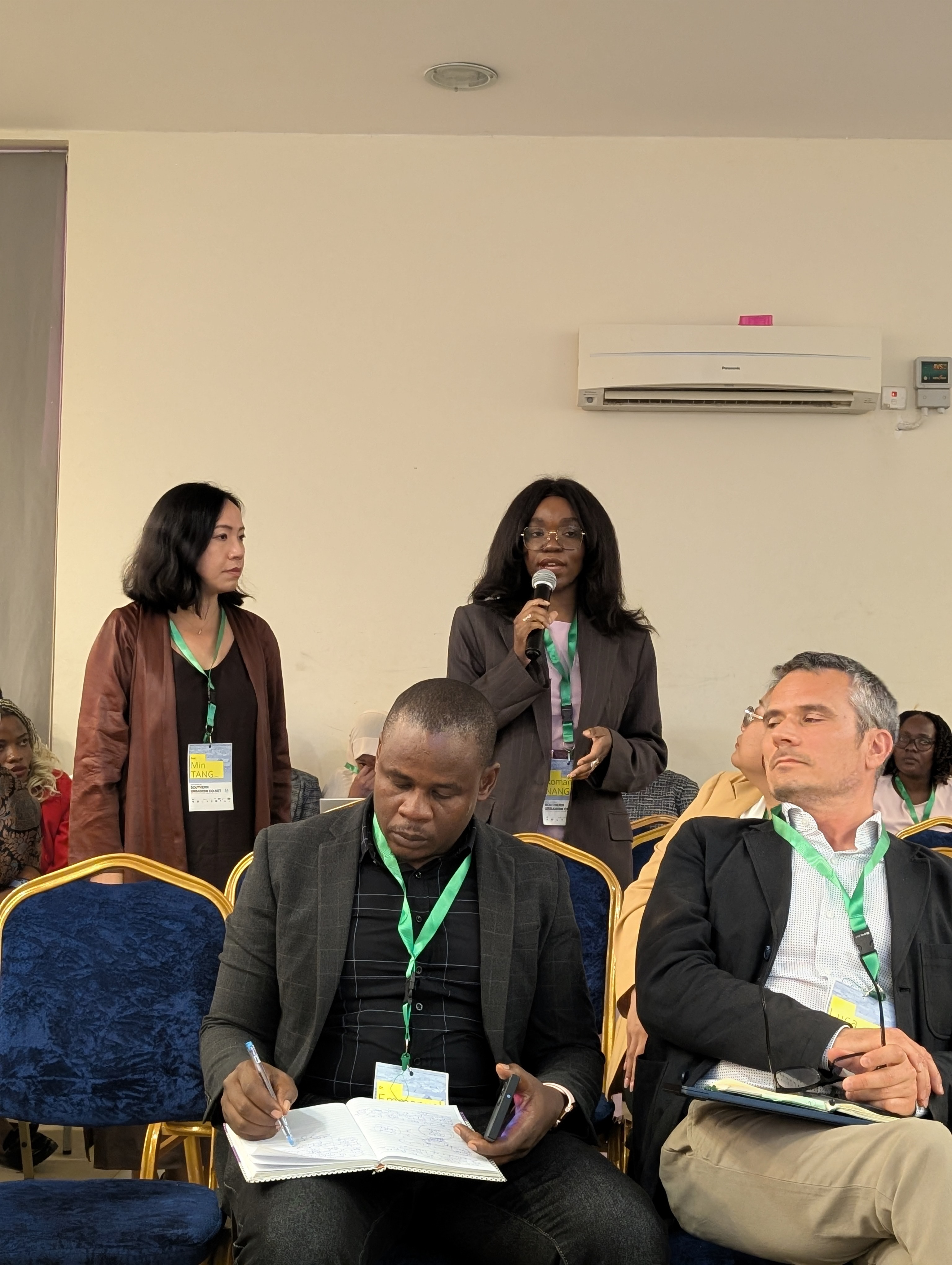
Beyond the main conference, Southern Urbanism Co-Net 2026 was preceded by an international student workshop and exhibition, bringing together participants from across Africa, Europe and Asia. This wider programme reinforced the conference's collaborative spirit and its commitment to cross-cultural and interdisciplinary knowledge exchange.
For landscape architects, the discussions were especially relevant. The future of African urbanisation cannot be considered separately from landscape, ecology, cultural heritage and the communities that inhabit and shape these spaces. As cities continue to expand and rural-urban boundaries become increasingly fluid, landscape architects have an important role to play in developing spatial strategies that are environmentally responsive, socially inclusive and rooted in local identity.
Southern Urbanism Co-Net 2026 ultimately offered a valuable space for rethinking how African cities and territories are understood, planned and transformed. By bringing together local knowledge, international perspectives and voices from across disciplines, the conference contributed to an ongoing conversation about how we might negotiate more sustainable and culturally meaningful rural-urban futures.
