
World Landscape Architecture Month
ABout the Author/s

April, globally recognised as World Landscape Architecture Month, is a time to celebrate the transformative power of landscape architecture and to reflect on the profession’s growing role in shaping resilient, inclusive, and sustainable communities. Across Africa, this month offers an important opportunity to reflect on the value of landscape architecture in addressing some of our continent’s most pressing challenges, from rapid urbanisation and biodiversity loss to, food security, and equitable access to public open space.
As we celebrate this important month, we remain firmly committed to strengthening engagement members across the region. One of our key priorities as region is the establishment of regular meetings with member associations. These engagements will provide a valuable platform for continuous dialogue, knowledge sharing, and collective action. It will enable us to better understand the opportunities and challenges facing practitioners in different contexts, while fostering collaboration across borders. Through these conversations, we can collectively shape a more responsive and impactful regional agenda for landscape architecture in Africa. Equally important is our commitment to supporting individual members in countries where national associations are not in place as strong national associations support advocacy, professional development, standards, and a collective voice for landscape architects at the national level.
Another significant initiative currently underway is the development of the IFLA Recognition Framework for Africa based on the work of the IFLA Professional Standards Working Group. This framework seeks to provide a structured and contextually relevant approach to recognising landscape architecture professional practice across the continent. The recognition framework is an important step toward harmonising professional benchmarks while acknowledging the diversity of educational systems, cultural contexts, and practice environments within Africa. It aims to support quality assurance, promote excellence, and facilitate greater mobility and recognition for landscape architects. This framework is being developed through a consultative process and feedback from national association members is central to its success to ensure the framework is responsive to the realities of practice in Africa.
It’s great to see the progress Landscape Architects Association of Botswana (LAAB) is making toward the formal recognition and regulation of landscape architecture through the proposed expansion of the Architects Registration Council registration framework to include landscape architects, landscape architectural technologists, and landscape architectural technicians under the amended Architects’ Registration Act. This would provide a statutory basis for professional registration, define scopes of practice, and strengthen public protection, professional accountability, and quality assurance in the delivery of landscape architectural services. We continue to support LAAB and as they ensure that the proposed amendments suitable apply to the Landscape architecture practice in Botswana.
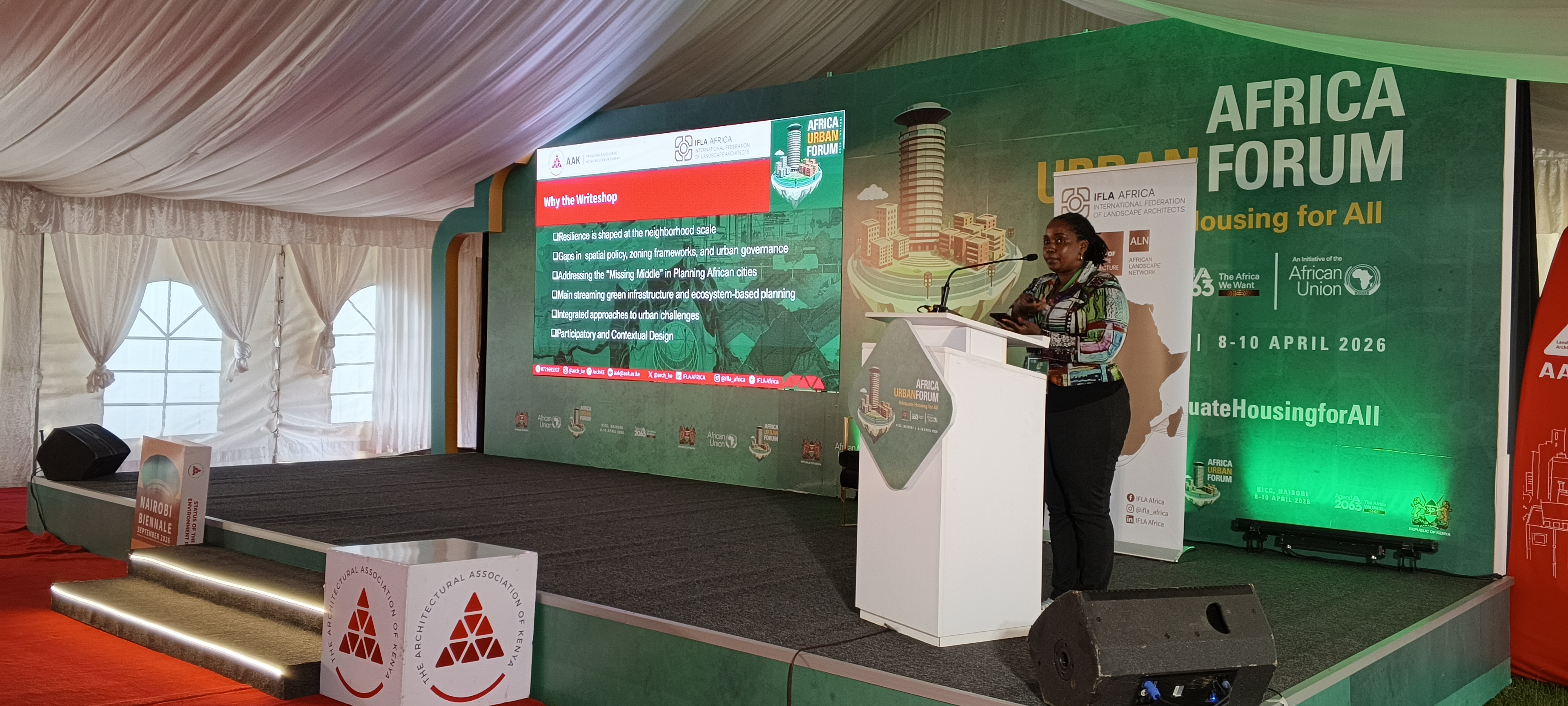
This April, the calendar had numerous activities celebrating and promoting the profession. IFLA Africa in partnership with the Architectural Association of Kenya (AAK) convened a successful write-shop during the Second Africa Urban Forum in Nairobi Kenya, in early April. Focused on the theme of planning resilient neighbourhoods, the write-shop brought together professionals, academics, policymakers, and practitioners to explore the critical role of landscape architecture in shaping urban resilience. Participants engaged in meaningful dialogue on how integrated planning can enhance the adaptability, livability, and sustainability of African cities. The write-shop underscored the importance of interdisciplinary collaboration in addressing urban challenges while highlighting practical solutions towards resilient urban development. The discussions and conclusions of the write-shop will be developed into paper for the African Journal of Landscape Architecture.
Equally inspiring was the successful planning and execution of the third Annual Symposium of the Landscape Architects Chapter of the Architectural Association of Kenya(LAAK). The symposium continues to grow as a premier platform for professional exchange, bringing together practitioners, academics, students, and allied professionals to engage with pressing issues shaping the built and natural environment. This year’s event themed, Shared Ground: Collaborating among Professionals for a Smarter, Better Environment demonstrated the LAAK’s leadership in advancing discourse, and strengthening the visibility of landscape architecture in Kenya.
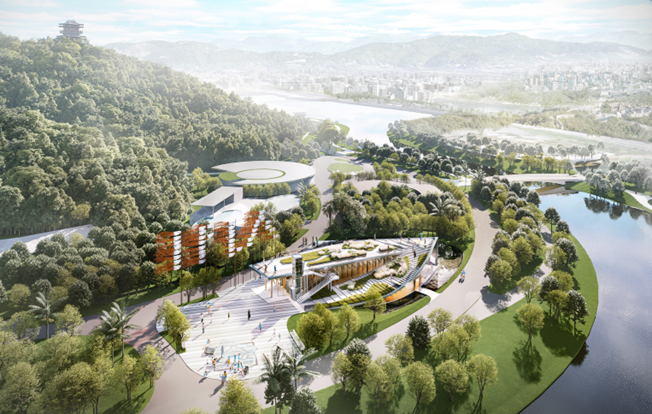
Events to mark this significant month did not stop at the continental level, at the 15th China International Garden Expo, IFLA ExCo unveiled the IFLA Pavilion. This remarkable installation serves as both a symbol and a platform showcasing the global reach, relevance, and future aspirations of our profession. The pavilion was designed by a multidisciplinary team led by Professor Zhu Yufan of Tsinghua University, based on a conceptual and curatorial brief developed by Graham Young(Immediate Past President, IFLA Africa) in collaboration with Jala Makhzoumi , (Immediate Past President, IFLA Middle East). Their shared vision created a space that reflects IFLA’s global mission while responding thoughtfully to Wenzhou’s cultural identity, maritime heritage, and ecological aspirations.
We appreciate all the delegates and observers who attended the IFLA online World Council in March which brought together delegates from across the globe to deliberate on matters critical to the future of the federation. The Council adopted significant constitutional amendments aimed at strengthening governance and improving institutional agility. These changes also introduced important reforms to the planning and delivery of future World Congresses, ensuring they remain responsive, inclusive, and aligned with the evolving needs of the profession. These reforms represent a positive step toward a more dynamic and representative federation, better positioned to serve its regions and members.
As we celebrate World Landscape Architecture Month, we are reminded that the future of our profession in Africa is full of promise. From global platforms to regional initiatives that strengthen professional networks, standards, and advocacy, landscape architecture continues to grow in relevance and impact.
Happy World Landscape Architecture Month!
