Trends Shaping Landscape Architecture
ABout the Author/s

Naturally landscape design evolves, responding to both context and environment. Reflecting on the growth and assimilation of landscape design developments in Nigeria (there are too many to list), has me wondering what the next iteration of landscape architecture will be. What’s on the horizon? What are the initiations by the governing body in Nigeria Society of Landscape Architects of Nigeria (SLAN) and the government through acts of parliament that will continue to gain momentum, and what are the emerging challenges that we must confront? From the continued ripples of socio-economic policy changes to finding legislative footholds to the garden and parks that are springing up in the Lagos Island, the past few years were years that landscape architects in the country awoke up to find value in participation beyond practice as well as placing continued emphasis on of the role of developers, home owners, the government policy makers and landscape enthusiasts from other professions.
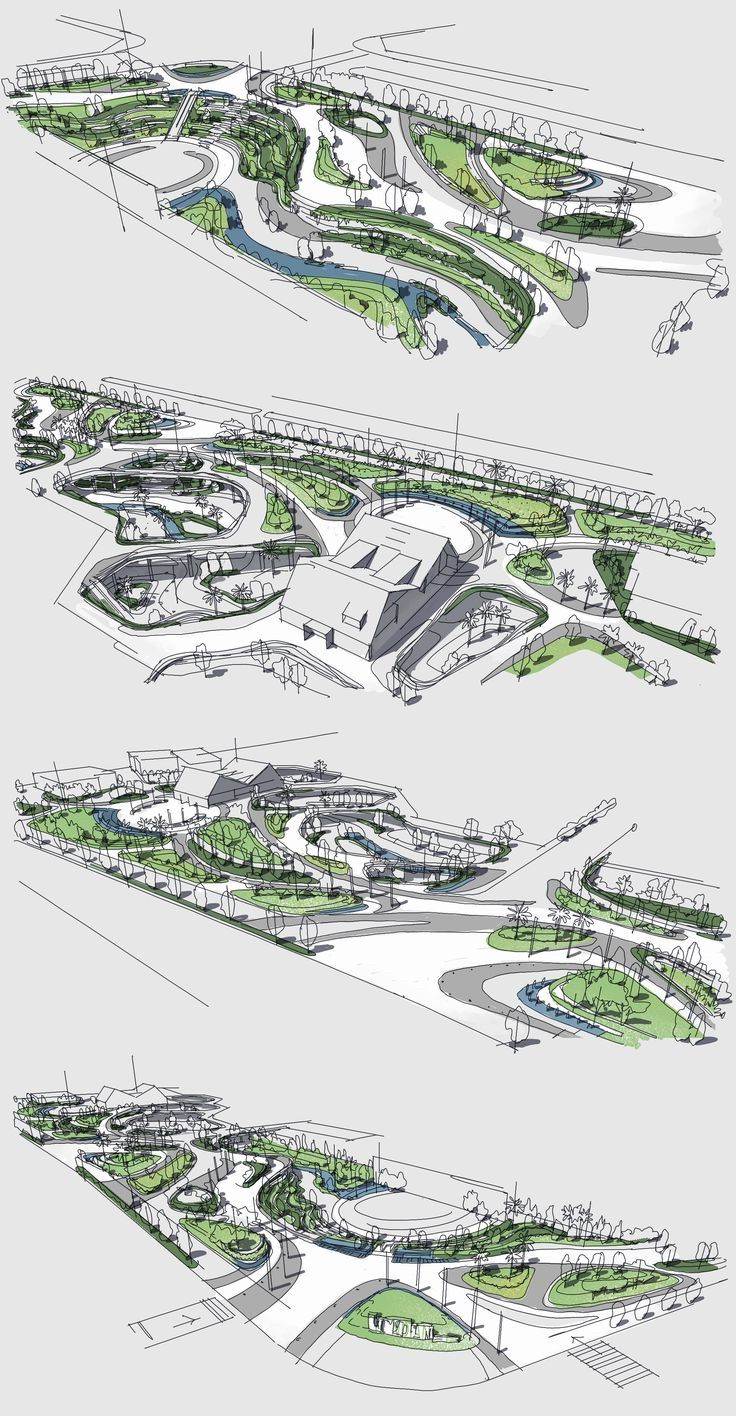
As society responds to rapid development in the city, Lagos and Abuja, solid waste disposal and flood mitigation, systematic estate/ neighbourhood planning that involves environmental impact assessment and sensitivity to changing weather conditions, the necessity for ‘good design’ continues to adapt and become more prevalent. It is essential to engage in a new process of design that centralizes on the environment, for both personal and professional gain. Designing the external space with users in mind, the architecture as the backdrop is a subtle difference between human-centric, micro climate adoption and the more common problem-solving based processes, but far more participatory and responsive to end users.
While the role of traditional landscape architecture continues to adapt and evolve, what remains clear is the increasing value of cross-disciplinary collaboration, understanding the transferable skills of the profession, and developing new methods to practice.

It’s hard to disagree with bridges and roads literally coming up all over the place, especially in Lagos and commendable sign of development. The only issue is that decades of deferred maintenance based on practical experience will lead to catastrophic impact to industry and the public.
As these developments continue to shape our city, landscape architects have the opportunity to inject themselves into the conversation, to create infrastructure that will address sustainable maintenance approach that will lead to better ways of designing this infrastructure and the systems that infrastructure impacts espousing design standards landscape architects have long advocated, such as pedestrian-oriented design. (stormwater management, ecologic systems, public health, etc.).