
Returning to the Source: A Visit to Sítio Roberto Burle Marx
ABout the Author/s
.jpg)
Brazil has always been a dream destination. My intrigue began with the continent of South America itself, its similarly shaped landmass to Africa and its position across the Atlantic. Growing up, I encountered Brazil through music and soccer. As landscape architecture students, we were introduced to the work of Roberto Burle Marx, who used pattern, colour, and texture not only to define and characterise space, but to celebrate the region's natural landscape and indigenous vegetation.
The welcoming atmosphere was felt before departure. As a South African, no visa is required for tourist travel, removing one layer of planning anxiety. There was also a surprising sense of familiarity in the pre-trip conversations; the discussions about navigating cities safely, staying alert at night, and understanding local context, like what visitors are cautioned about when travelling to South Africa.
No amount of research could have prepared me for Rio de Janeiro and São Paulo. The diverse population, layered cultural influences, and expansive public spaces are designed not only for tourists but for locals. Street trees define clean, shaded boulevards. Museums are plentiful and mostly free. I felt a quiet envy standing in these spaces: they are generous, well-maintained, and inclusive, accommodating physical activity, social gathering, cultural programming, and defining views.
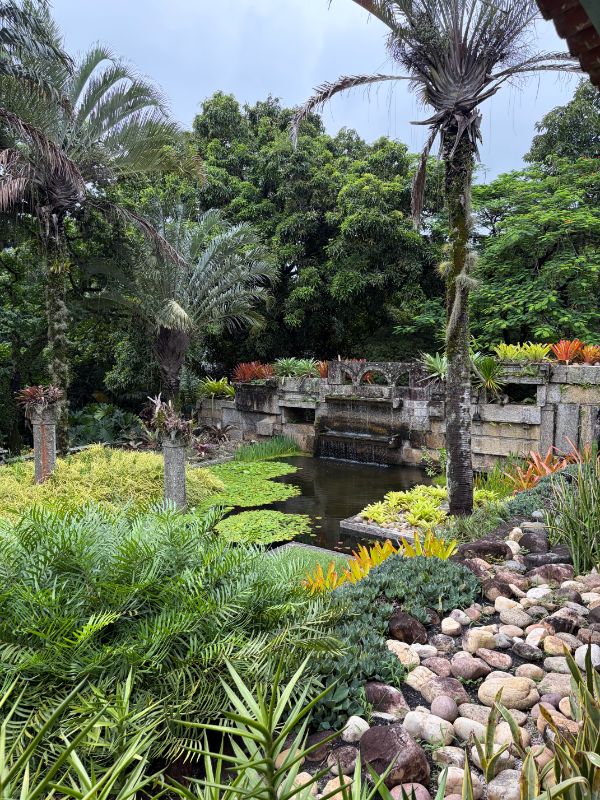
The highlight was visiting Sítio Roberto Burle Marx in Rio de Janeiro, the homestead where he lived for the final 21 years of his life, from 1973 until his passing in 1994. Now a UNESCO World Heritage Site, it is a living landscape laboratory, intimate and extraordinary in equal measure.
The tour guide's first question was: "Where are you from?" When I answered South Africa, he pulled up a list of sites Burle Marx had worked on, conceptual designs for South African landscapes, one being Coromandel Estate Manor House in Lydenburg.
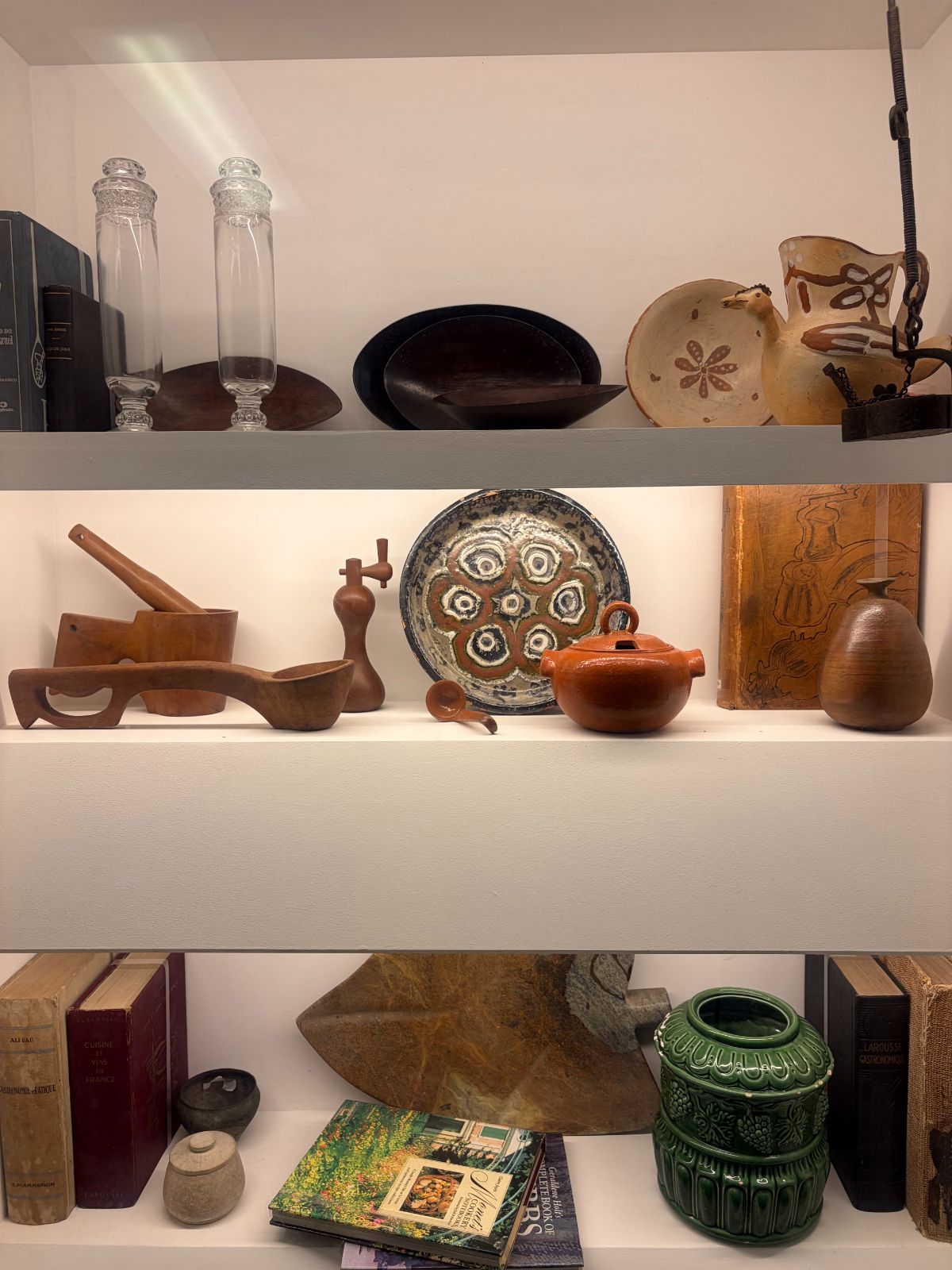
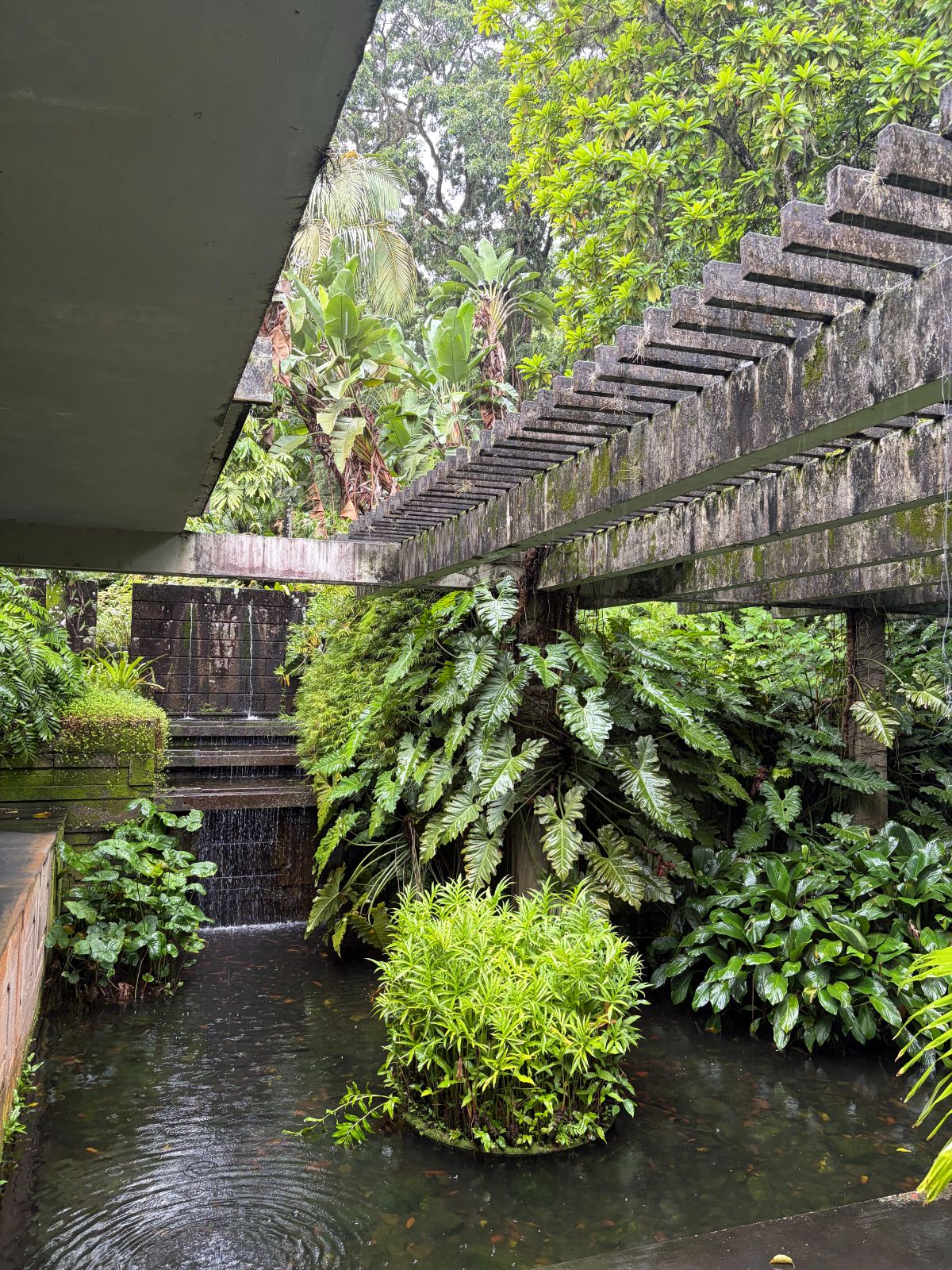
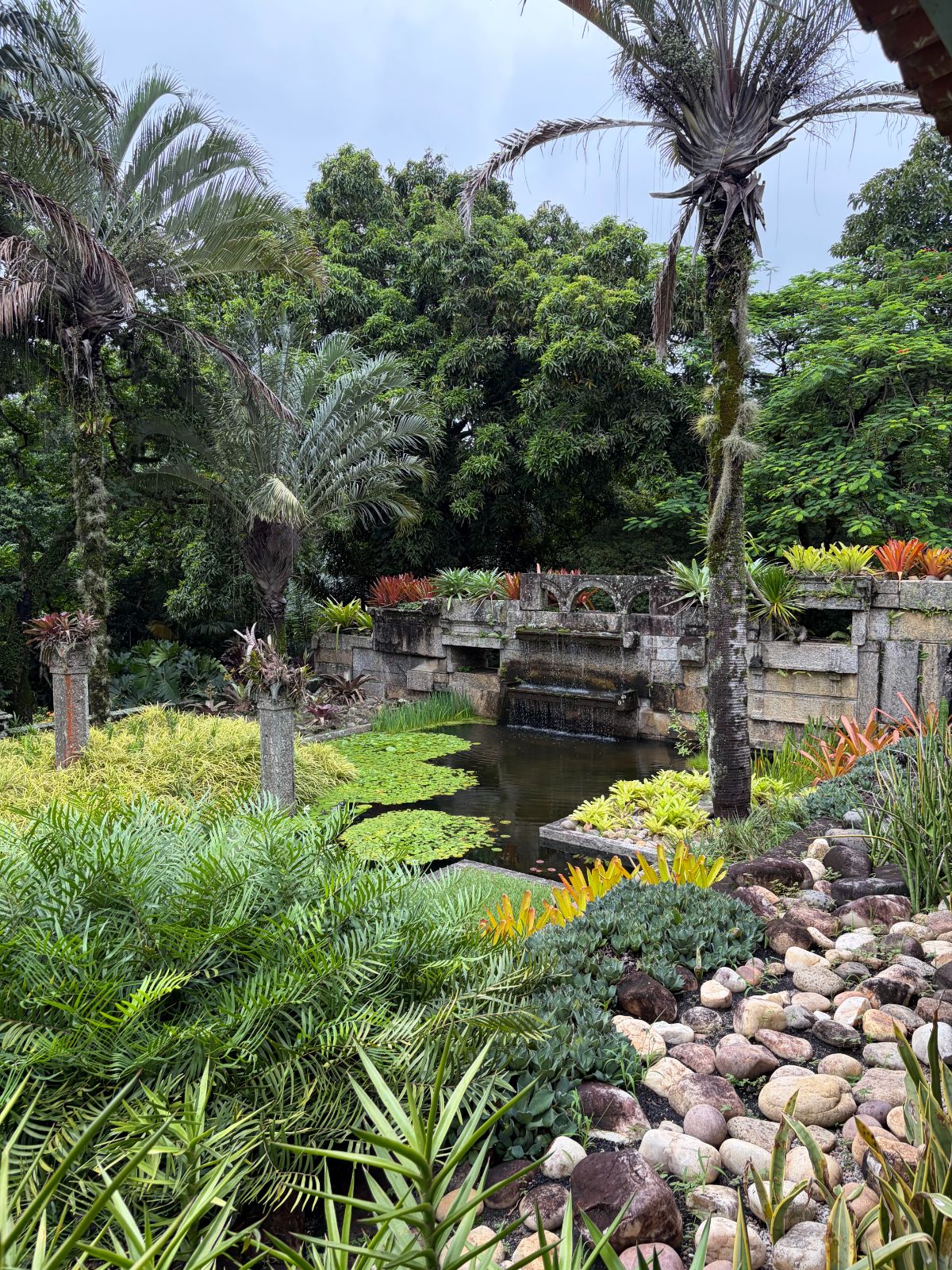
We moved through his home and personal spaces, objects of affection displayed with care, a balance between what could be approached closely and what remained protected. The landscape itself was lush: Monstera deliciosa climbing tall tree trunks, aerial roots trailing downward, a scene I had never imagined. It was raining that day, which felt appropriate, water trickling down broad leaves, insects present, the true character of a tropical climate experienced. The portion we walked was only a fraction of the grounds. Yet, Burle Marx's legacy was felt throughout, in the chapel, the outdoor entertainment terraces, the cobbled pathways connecting these spaces, the ponds, and a diverse planting palette immaculately maintained.
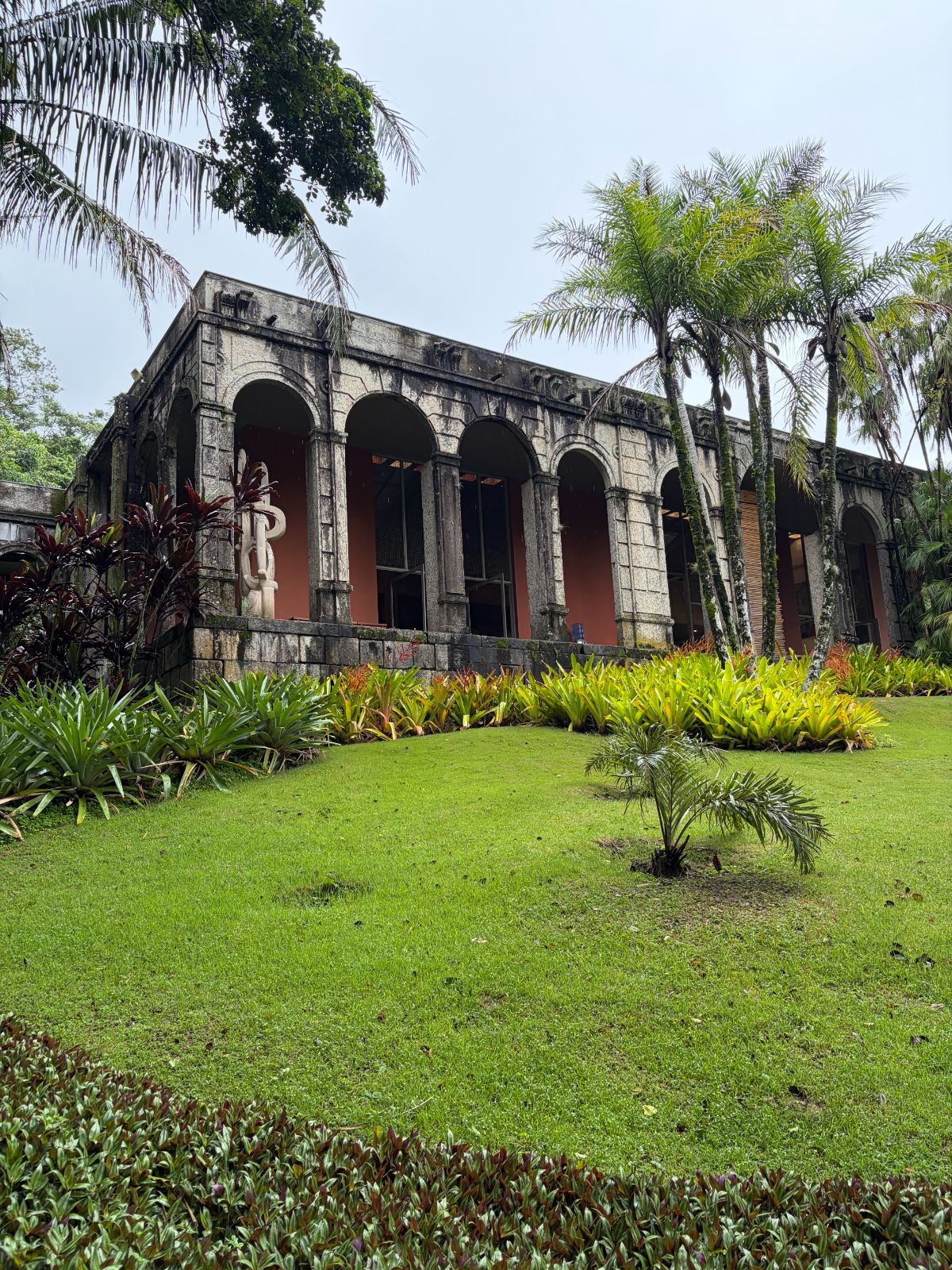
The drive from Copacabana took about an hour, passing through Rio beyond the tourist corridor. I found myself imagining Burle Marx making that same journey, retreating to his homestead and laboratory, and then returning to the city to paint his textures and patterns across its streets and parks.
The deepest lesson the visit offered was to embrace your surroundings. Draw inspiration from what is in front of you, and from what is within you. Burle Marx lived that principle entirely, and it is as truthful, respectful, and grounded as design can be.