
Reflections of IFLA Hong Kong World Council and World Congress
ABout the Author/s
In this reflective review of the 62nd IFLA World Congress, “Liminal Landscapes: Shifting Boundaries of Watersheds and Coastlines,” I’ll explore what struck me, what challenged me, and what I’m bringing home as an African landscape architect and former leader of IFLA Africa.
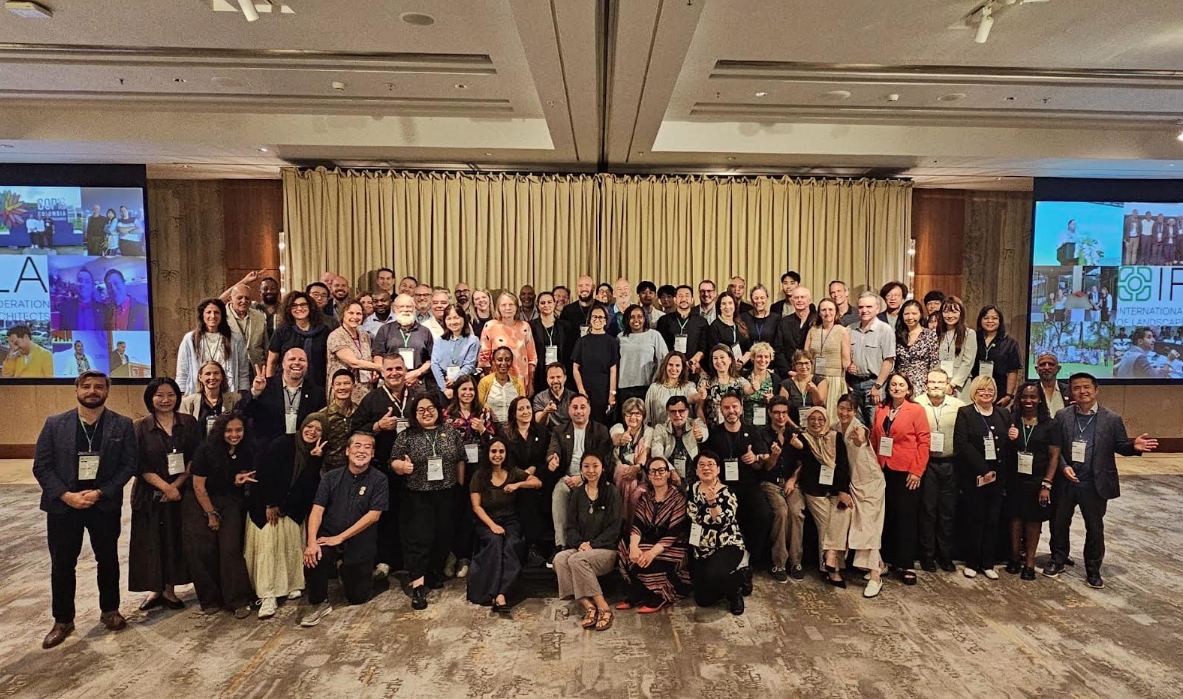
The Congress began with two full days of IFLA World Council meetings. They offered valuable opportunities to connect with colleagues worldwide to discuss the direction of our profession and the responsibilities we share. The meetings also established the new Board of Directors, on which I will serve as Regional Director for Africa, and Carey Duncan, also a past IFLA Africa president, will be its President.
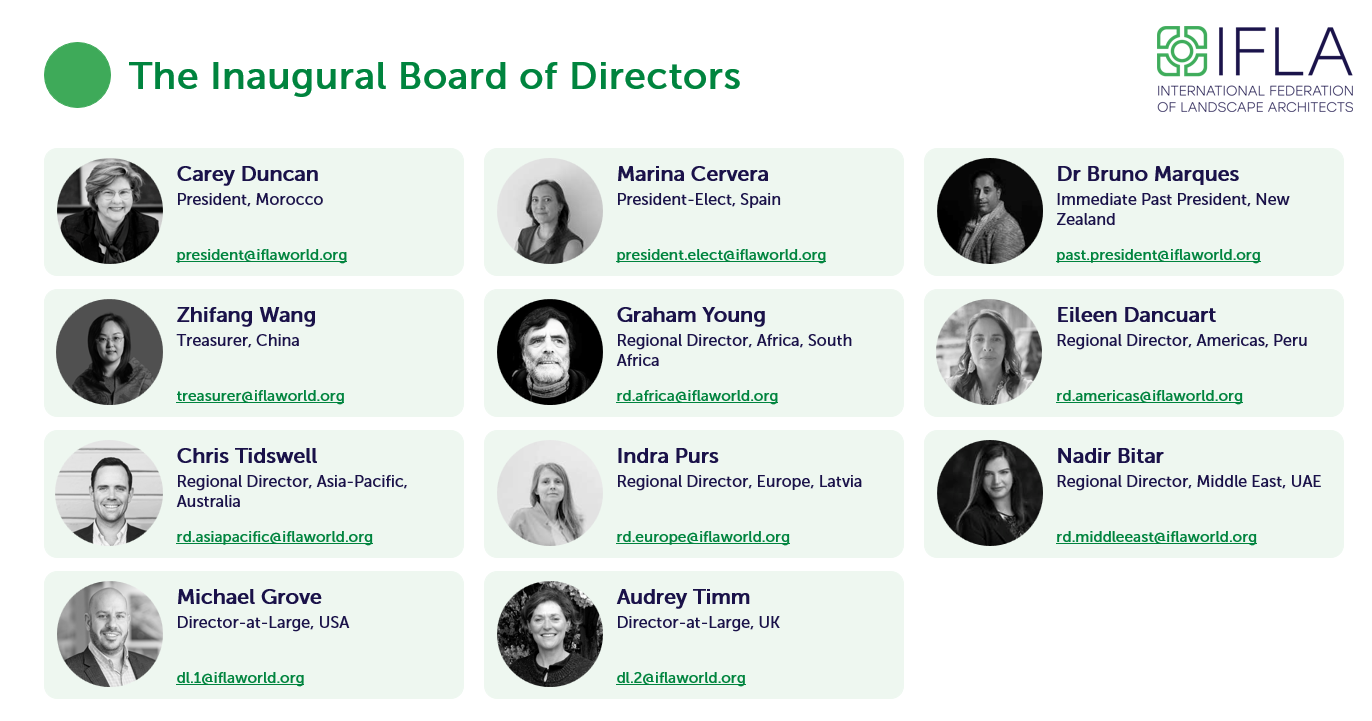
My sincere thanks to Immediate Past President Dr Bruno Marques for four years of dedicated and energetic leadership. And congratulations to Carey Duncan, our new President, and Marina Cervera Alonso de Medina, President-Elect. Carey will be Africa’s first IFLA President.
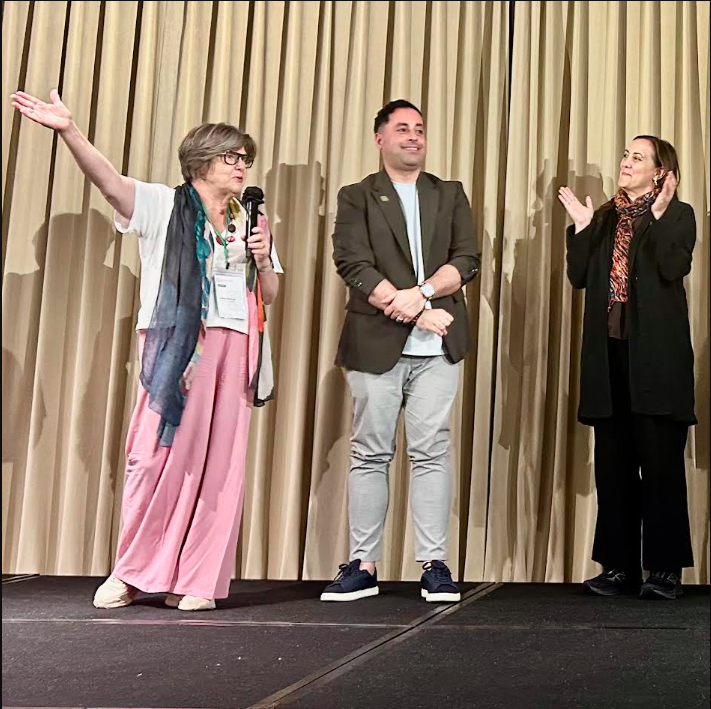
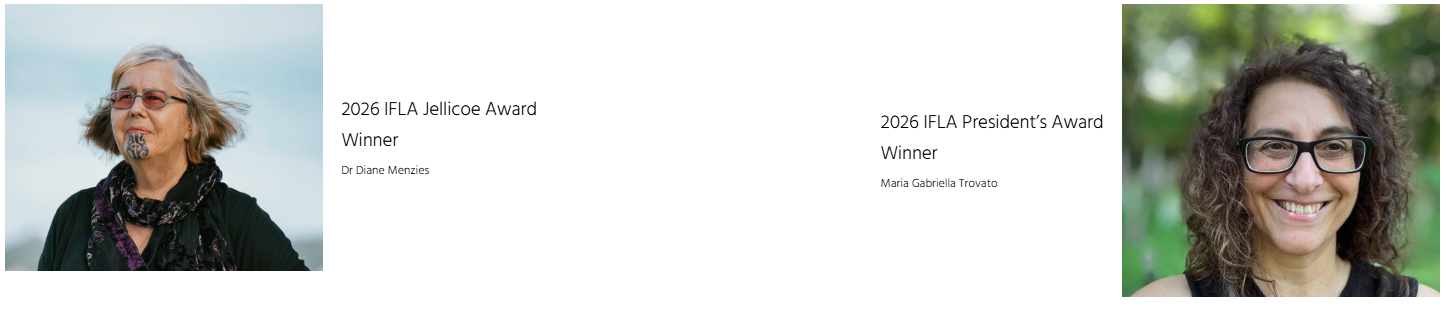
Congratulations to Dr Diane Menzies, recipient of the 2026 Sir Geoffrey Jellicoe Award, IFLA's highest honour. She is the first Indigenous person to receive the prestigious award. It was fitting to see IFLA recognise her career and lifelong commitment to environmental protection, cultural identity, Indigenous knowledge and the advancement of landscape architecture across the globe. It was also a privilege to witness Maria Gabriella Trovato receive the 2026 IFLA President's Award for her humanitarian work in contested and disaster-affected landscapes. Both are inspiring examples of the breadth of contribution our profession can make.
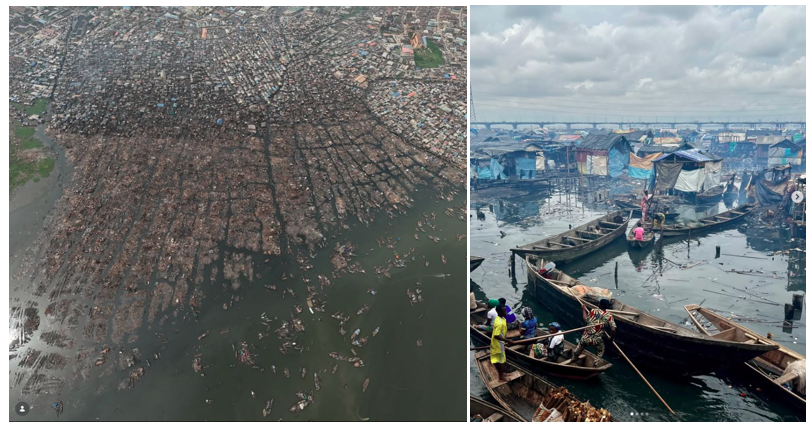
The keynote presentations offered much to reflect on. I always enjoy and learn from Gareth Doherty. His “Landscape Will Be…” was particularly thought-provoking, exploring the etymology of landscape and the many ways we understand and experience it. It reminded me that landscape is never a singular or universal construct, or, for that matter, a permanent one, as he shared the tragic story of the Makolo informal overwater settlement on the Lagos Lagoon, Lagos, Nigeria. Culture, history, identity, and lived experience shape it. This resonates deeply across the African continent, where landscapes carry extraordinarily rich and diverse meanings. One case he shared was the design narrative of the Tanner Fountain at Harvard by Peter Walker, versus Princess Adedoyin Talabi Faniyi's African reading of the same place during her visit to Harvard for The African Landscape Architecture: An Alternative Futures for the Field conference. Same place, two completely different understandings of its meaning.
I was pleased to meet fellow Torontonian Nina-Marie Lister (Toronto was my home for 10 years, and I studied landscape architecture at the University of Toronto). Her contribution to designing for coexistence with wildlife and ecological systems reinforced the importance of moving beyond an anthropocentric understanding of landscape. She highlighted the challenge of designing landscapes and buildings to reduce bird deaths from collisions, which are often influenced by the surrounding landscape.
It was deeply moving to hear Don Wong of Turenscape reflect on the work of his mentor, Kongjian Yu. Kongjian’s legacy will remain with us, not only through his extraordinary contribution to landscape architecture, but also through the ideas and convictions he inspired in others. His work, which we profiled in the second issue of the African Journal of Landscape Architecture, reminds us of the importance of challenging conventional approaches and of having the courage to advocate for landscape as a fundamental structuring element of our cities and territories.
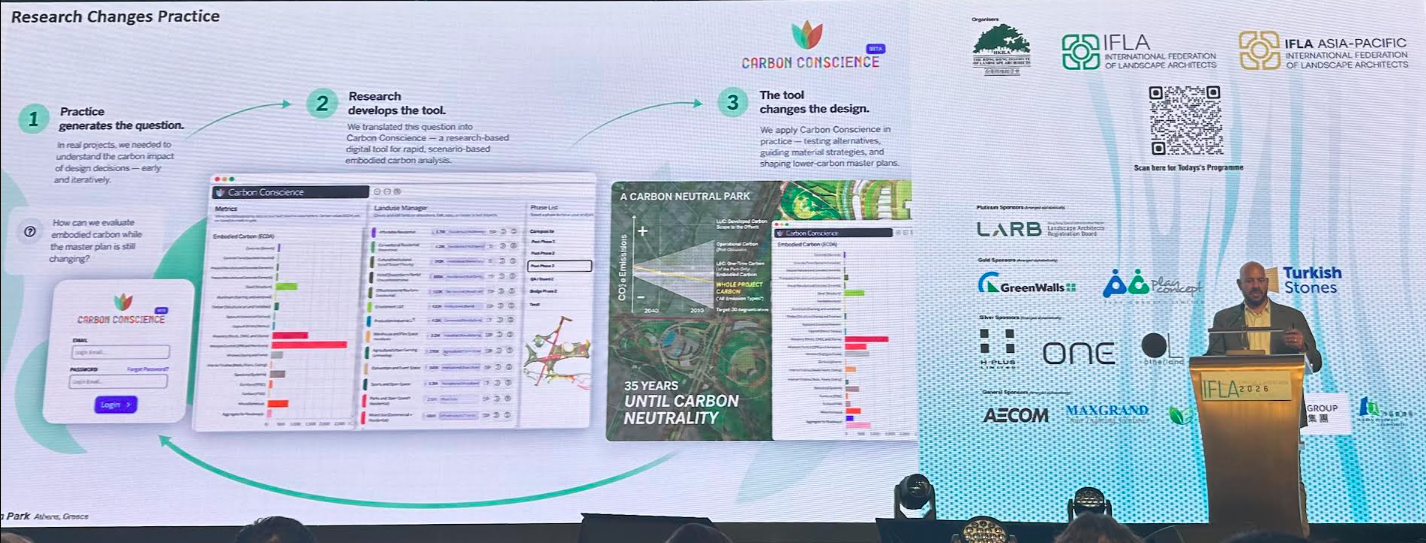
Michael Grove delivered a presentation focused on broad-scale, landscape-led development, non-human stewardship, carbon-conscious urban design, and nature-based solutions. A practical takeaway was his role in developing the Carbon Conscience tool. It is a free, web-based, interdisciplinary comparative analysis platform developed by his firm, Sasaki. Its key purpose is to measure a project's Whole-Project Life-Cycle Assessment (WPLCA). It evaluates projected embodied carbon emissions, carbon storage, and carbon sequestration over a 60-year timeline. An excellent tool for our African landscape architects, which is available here.
These presentations, among many others, reaffirmed something we have long believed: landscape architecture is not simply about shaping spaces; it is about understanding the relationships between people, place, culture, and nature. Our discipline plays a critical role in helping societies adapt, heal, and discover more equitable and sustainable ways of living.
During our discussions, we challenged one another to consider a deceptively simple yet important question: What is the single most effective action we, as landscape architects, can take to address the challenges facing our landscapes and communities? I believe this is a question we need to keep asking ourselves, particularly in Africa, where the pressures of urbanisation, climate change, ecological loss and social inequality are so closely intertwined. We cannot afford to respond only within the boundaries of our professional discipline. We need to think collectively, act strategically and demonstrate the tangible value of landscape architecture in addressing these challenges.
Hong Kong itself may have been one of the week's most compelling teachers. I was struck by the city's extraordinary intensity—its density, infrastructure, illuminated skyline, and sheer complexity—and by its evident respect for natural areas (40% of Hong Kong’s total area is officially designated as protected parks, nature conservation and recreation) and the importance of trees in the urban environment. Despite development pressures, nature remains a visible and valued part of the city's identity. Here, density is not a problem; it is the solution.
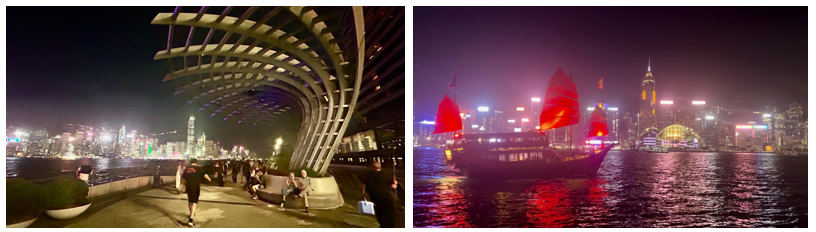
I found myself thinking about our African cities. How can we reconcile the urgency of urban growth and infrastructure provision with the need to protect, restore and integrate nature into our communities’ everyday lives? How can we ensure that trees, green spaces, waterways and ecological systems are recognised as essential urban infrastructure, not optional amenities? Hong Kong offered a powerful reminder that density and ecological sensitivity can go hand in hand. As we develop our own responses, we can learn a lot from this while grounding them in African conditions, cultures, and landscapes.
A highlight for me was seeing the students’ excitement as they won the Global Studio Awards, curated over the past few years by Alessandro Martinelli, Chair of the IFLA Education and Academic Affairs Committee. Having spent much of my professional life in landscape architecture education, I remain deeply interested in how we prepare the next generation of practitioners to respond critically and creatively to the complexities of our changing world. The Global Student Program awards were a wonderful reminder of the talent, energy, and fresh perspectives emerging within our profession. We have a responsibility to nurture and champion this next generation, particularly across Africa, where strengthening education and professional capacity remains essential to our future.
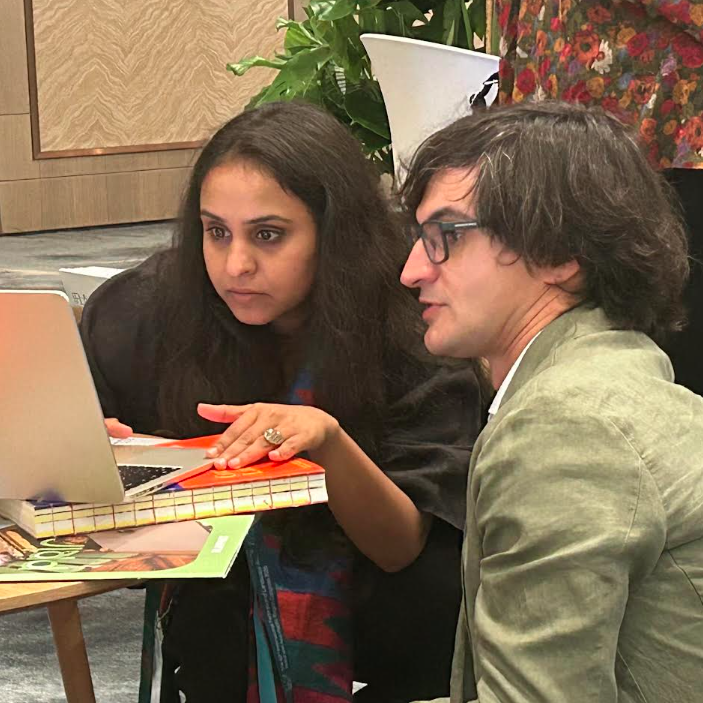
My sincere thanks to Dr Yin-Lun Chan, President of HKILA, and the entire HKILA team for their generous hospitality and for hosting such a memorable and insightful Congress.
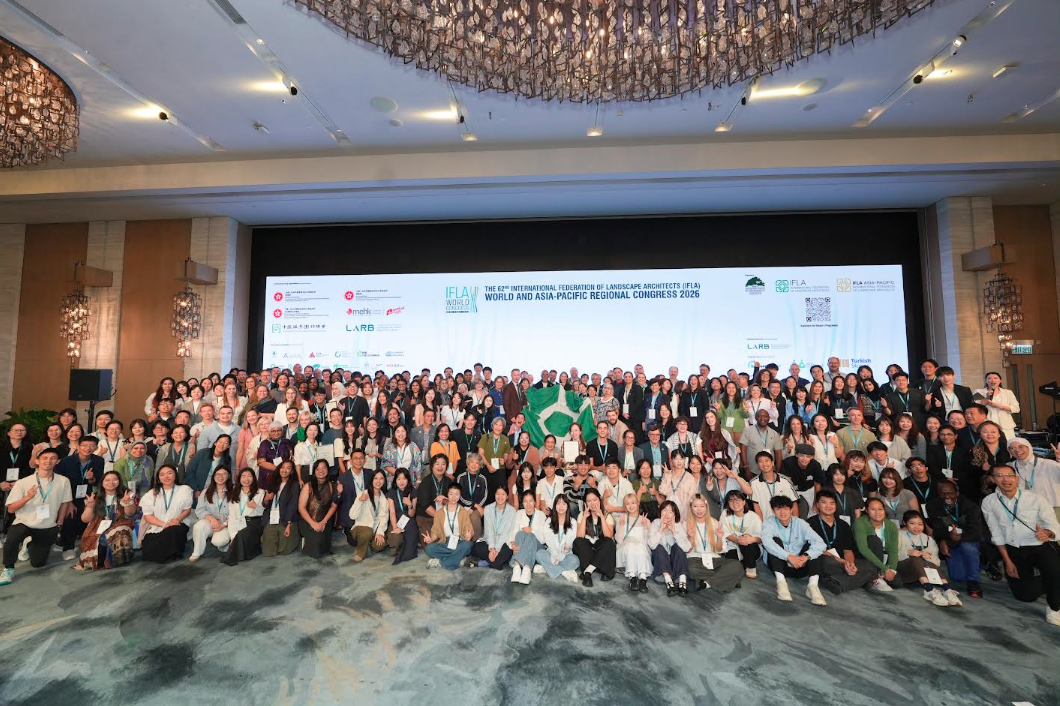
I returned home to South Africa with much to think about, many wonderful memories, and a renewed sense of purpose. For me, an important takeaway is that Africa must not simply find its place within the international landscape architecture community; we must actively help shape its future. Our continent's ecological diversity, cultural landscapes, lived experiences, and intellectual traditions offer perspectives that are both distinctive and profoundly relevant to the global challenges we face.
For me, IFLA Africa’s representation, leadership, and voice on this global platform remain especially important. Having been part of this journey since its inception, I know that representation alone is not enough. We must ensure that African perspectives, knowledge systems, and experiences meaningfully shape the conversations and decisions guiding our profession internationally. As African Regional Director, I can bring these ideas and perspectives to the Board, while remaining primarily accountable to the IFLA World Council.
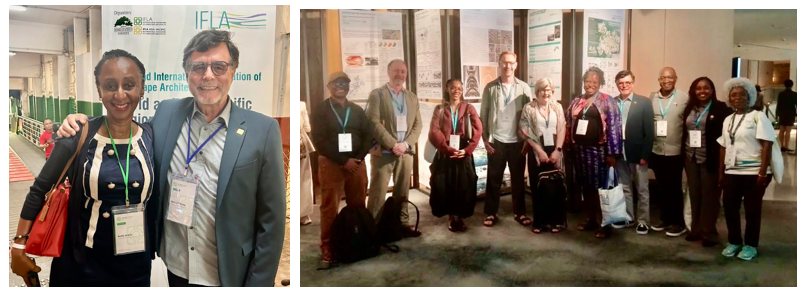
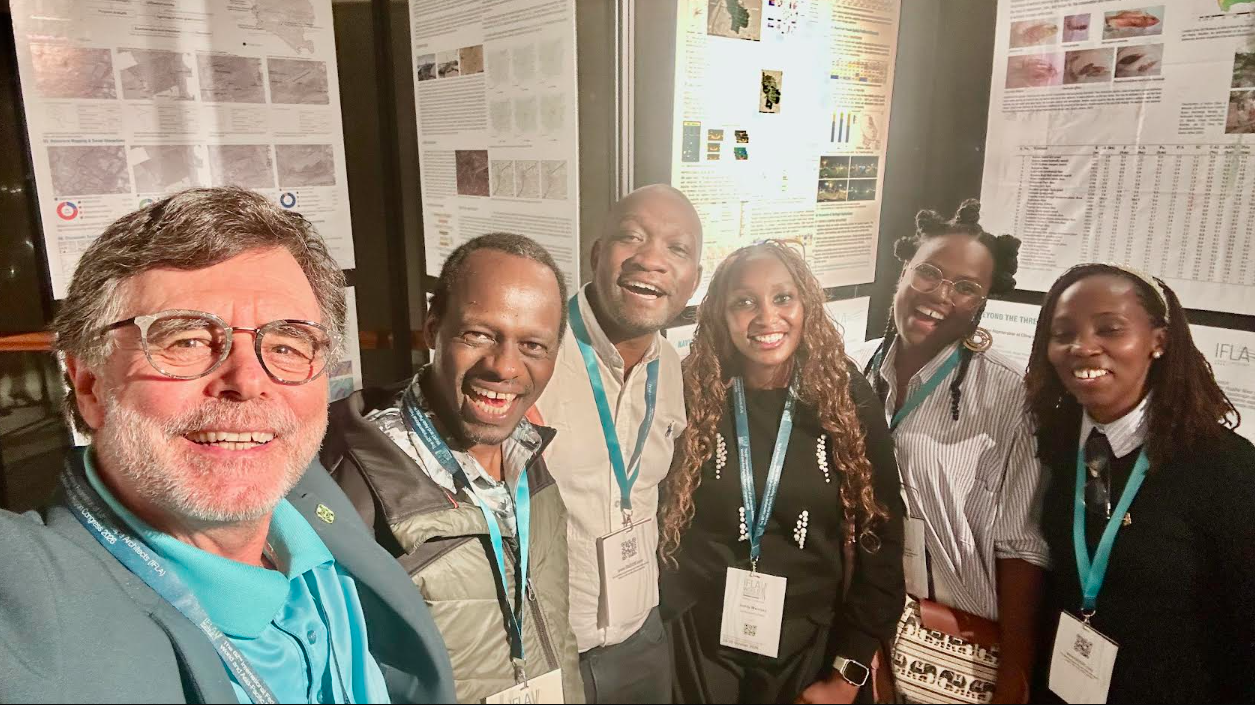
After many years in landscape architecture, I remain convinced that our greatest contribution lies in integrating ecological understanding, cultural meaning, and human experience. The challenge now is to translate that conviction into collective action, strong leadership, and a more confident African voice within our profession.
And perhaps that is what I bring home from Hong Kong: not just inspiration, but a renewed commitment to the work that lies ahead.