
Not From The President's Desk: Practice Outpaces Policy
ABout the Author/s
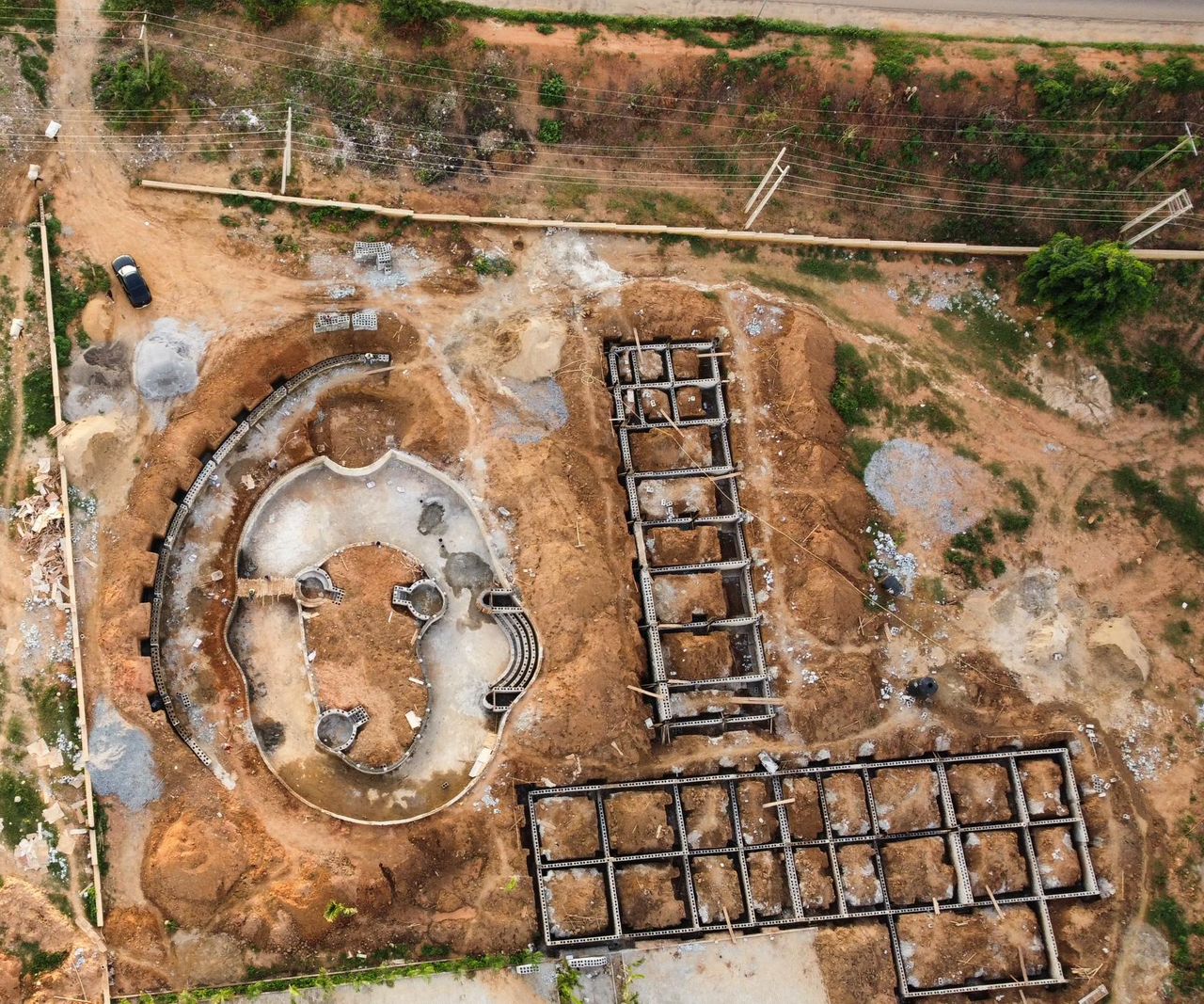
At the start of this year, a recreational park project in Abuja was taken down as part of a wider administrative action affecting a number of public sites. It was a difficult moment and an instructive one.
The land had long been designated for public recreation in the master plan. The idea was simple but important. It was to turn an underused parcel into a climate responsive public space where people could gather, rest and connect. Approvals were secured. Work had started. Legal steps were taken to preserve the status quo. Still, the site was cleared within hours. Months of coordinated effort were gone in a day.
This reflection is not about grievance. It is about understanding what this moment means for our profession.
Across many African cities, landscape architecture is advancing quickly. Our technical capacity is stronger than it was a decade ago. Our environmental awareness is deeper. Students are emerging better trained, more globally aware and more confident in translating theory into real places. The energy in the discipline is real.
What has not kept pace is our presence within the systems that shape land and policy.
In a country of over two hundred million people, only one landscape architect is formally employed within the Federal Capital Territory Authority. That fact alone should give us pause. Public open space is difficult to protect when the people trained to shape and safeguard it are largely absent from decision making structures.
In school, we teach students to think about design risk. In practice, we learn about institutional risk. Land administration processes, shifting priorities, statutory grey areas and enforcement actions can alter the direction of a project regardless of its environmental or social value.
Nigeria is not alone in this. In many parts of the continent, formal recognition of our profession is still evolving. Landscape drawings are often reviewed within broader planning systems where specialist input is limited. Parks may appear secure in master plans, yet their long term protection can be less certain when competing pressures arise.
At the same time, the pressures on our cities are increasing. Heat is rising. Flooding exposes weaknesses in infrastructure. Urban growth continues to compress recreational land. Social cohesion increasingly depends on shared public spaces that are safe, inclusive and well designed.
These are landscape issues whether we name them that way or not.
The experience in Abuja reinforced something important for me. Delivering good design is not enough. As professionals, we must understand policy, engage institutions, document thoroughly and advocate consistently. Creative skill matters. But without institutional presence, even strong projects can remain vulnerable.

In Nigeria, we have built meaningful foundations. The Society of Landscape Architects of Nigeria continues to raise visibility for the profession. More universities are offering landscape architecture programmes. Young practitioners are stepping forward with confidence and contextual sensitivity. Across the country, firms are proving that climate responsive and locally grounded design can shape meaningful civic infrastructure.
The park that was removed was meant to stand as one example of that progress. It was not a monument, but evidence that Nigerian landscape architecture can deliver public spaces rooted in place, performance and community value.
Its removal does not erase that capacity. If anything, it sharpens our focus.
Professional maturity requires more than technical excellence. It requires institutional depth. As professional bodies, we must continue pursuing statutory clarity. As practitioners, we must understand administrative systems as well as we understand grading plans. As educators, we must prepare students not only to design, but to navigate the governance realities that shape whether their work endures.
Before it was cleared, the site had already become a quiet teaching ground. Students visited. They saw how microclimate strategies became canopy structures, how drainage drawings translated into constructed terrain and how ideas moved from paper into space. That learning cannot be demolished.
Across Africa, many colleagues work within similarly complex environments. The challenges are shared. So are the opportunities.
When practice moves ahead of policy, tension is almost inevitable. The answer is not retreat. It is deeper engagement. Governance frameworks must evolve alongside the environmental and social demands facing our cities.
The future of African urbanism will not be defined only by buildings and skylines. It will also be shaped by the landscapes that moderate heat, manage water, support biodiversity and hold communities together.
Embedding landscape expertise within decision making systems may be slower work and less visible than construction. But it is foundational.
Landscapes can be cleared in a day. A profession anchored in purpose cannot.
Dr Amos Atumye Alao
President, Society of Landscape Architects of Nigeria
