
Not from the President’s Desk: Beyond the Observer Seat
ABout the Author/s
Over ten days in Busan, South Korea, in July, the 48th session of the World Heritage Committee took place, bringing together the States Parties that are signatories to the 1972 World Heritage Convention, the Advisory Bodies to the Convention, Category 2 Centres and civil society organisations participating as observers, of which IFLA is one.
IFLA sits at an interesting position within the framework of the 1972 Convention. IFLA has a direct and formalised relationship with ICOMOS, one of the Advisory Bodies to the Convention, through the International Scientific Committee on Cultural Landscapes (ISCCL). What began as a joint IFLA-ICOMOS committee has evolved into ISCCL, providing an important platform for collaboration around cultural landscapes and the relationship between landscape architecture and heritage conservation.
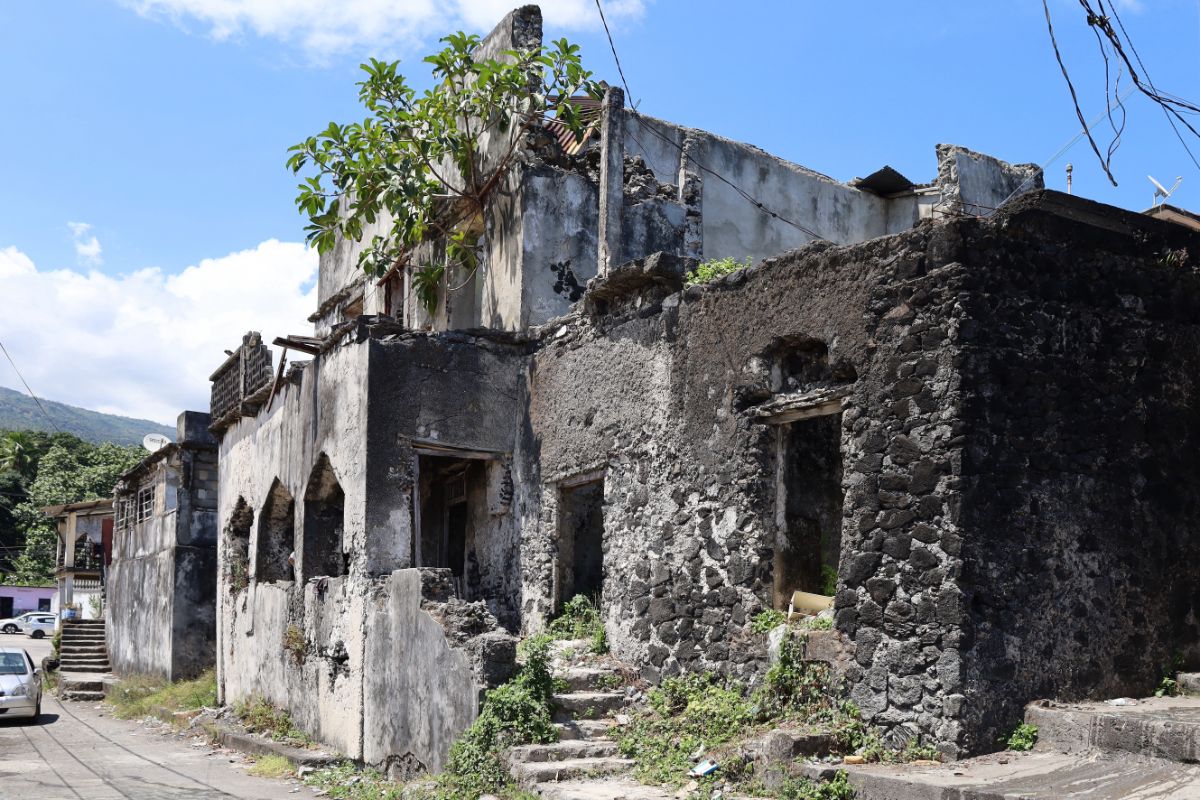
This year, 25 new properties were inscribed on the World Heritage List, including five from African countries. Of these, three represented the first World Heritage inscriptions for their respective countries: Comoros, São Tomé and Príncipe, and South Sudan.
These inscriptions are significant not only because they expand the World Heritage List, but because they bring new landscapes, histories, cultures and ways of understanding heritage into a global conversation. They also remind us that heritage is not static. It is connected to people, place, ecology, memory and the ways communities continue to interact with their landscapes.
IFLA is a professional NGO working within the broader UNESCO system, and our participation as an observer at the World Heritage Committee gives us an opportunity to follow these conversations and contribute to them. But beyond simply being present, an important question for us as members is: how do we make the most of the relationships and formal agreements that our organisation has built with other institutions?
This month, the ISCCL has also put together a newsletter highlighting the presence and contributions of its members during the 48th World Heritage Committee in Busan. I encourage you to read it, see what our colleagues have been doing, and continue thinking about the different ways in which each of us can contribute to the preservation and conservation of heritage in our own contexts.
As members of IFLA Africa, perhaps we should continue to ask ourselves: How can we better harness these networks, partnerships and formal relationships to strengthen our own work? Where are the opportunities for landscape architects to contribute to heritage conversations? And what can each of us bring to the table?
Always speak up. Always ask questions. And most importantly, look for ways to participate.
Until next month.
