
Landscape is....
ABout the Author/s

As we step into a new month, I write to you with a revitalised spirit following the IFLA World Council and Congress hosted by the Hong Kong Institute of Landscape Architects (HKILA) who gave us an outstanding World Congress. They truly outdid themselves in delivering an experience that created space for learning, new connections and the revitalisation of existing relationships. IFLA Africa was well represented, with eighteen African delegates from Tunisia, Morocco, Kenya, South Africa, Tanzania and Nigeria arguably our most diverse representation ever at a World Congress. This reflects the energy and ambition of our region, and I thank every colleague who made the journey and contributed to the conversations. We also welcomed two individual members from Eritrea and Zimbabwe to IFLA during the World Council, increasing our reach within the continent.
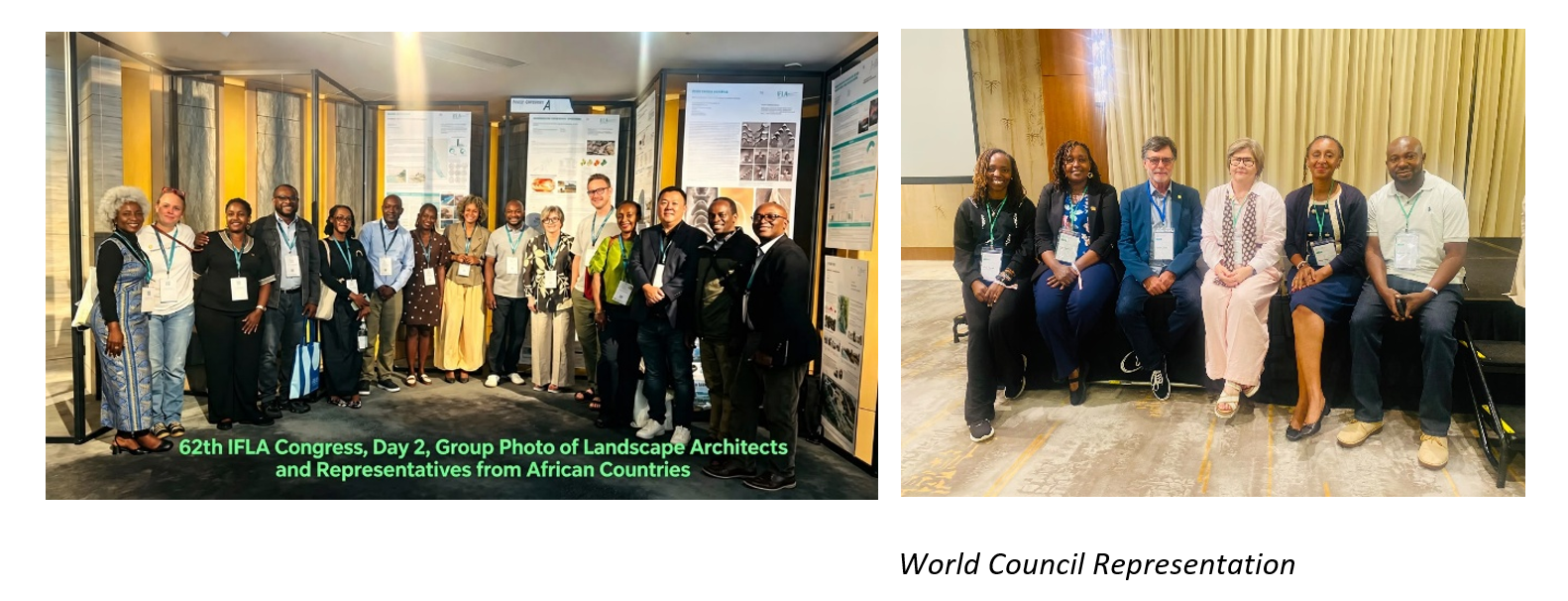
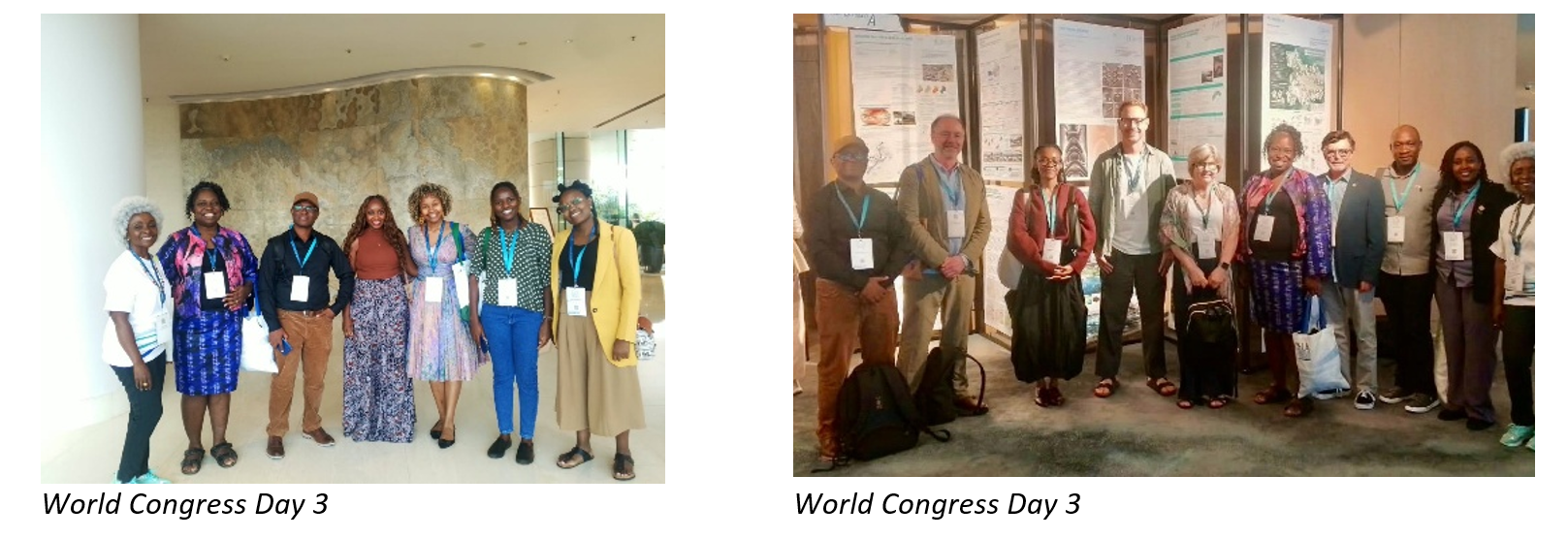
The World Council was significant for IFLA's leadership transitions, marking the start of the new governance structure. I am immensely proud of our former IFLA Africa President, Carey Duncan, who is the incoming IFLA President. We congratulate her and wish her every success as she takes on this important global responsibility. Her appointment is a moment of pride for our region and an opportunity to further strengthen Africa's voice in shaping the global landscape architecture agenda. I also congratulate Graham Young, the immediate past IFLA President, on his new role as Regional Director. The new leadership structure provides an important opportunity for greater clarity of roles, allowing Regional Presidents to focus more deliberately on regional priorities, while the Regional Director contributes to the broader global strategy. Special recognition also goes to Kharbal Kaltho for his outstanding service as Chair of the IFLA World CER Standing Committee for the last four years. His contribution to the World Congress Working Group and his work in shaping IFLA's public relations have been invaluable.
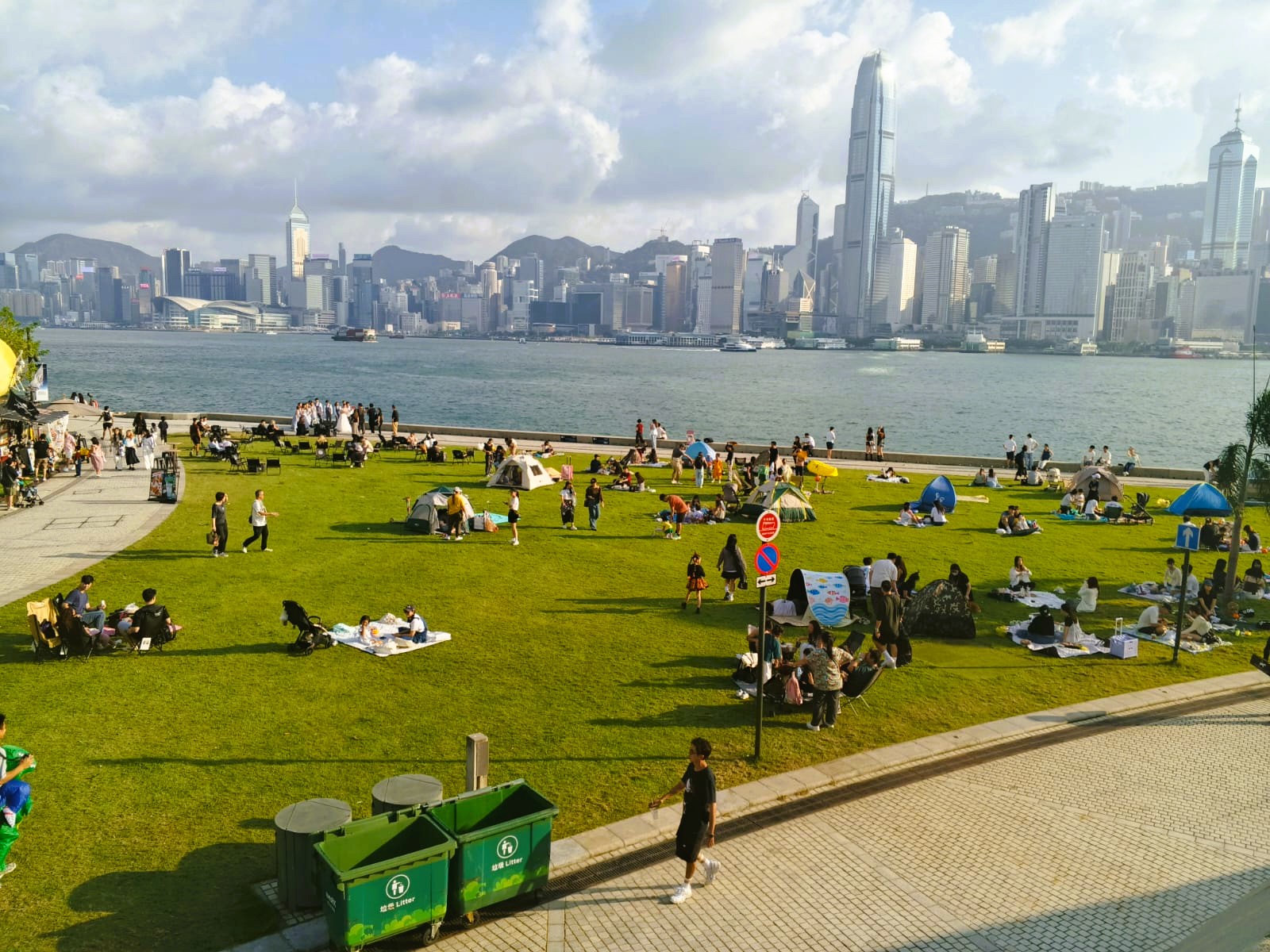
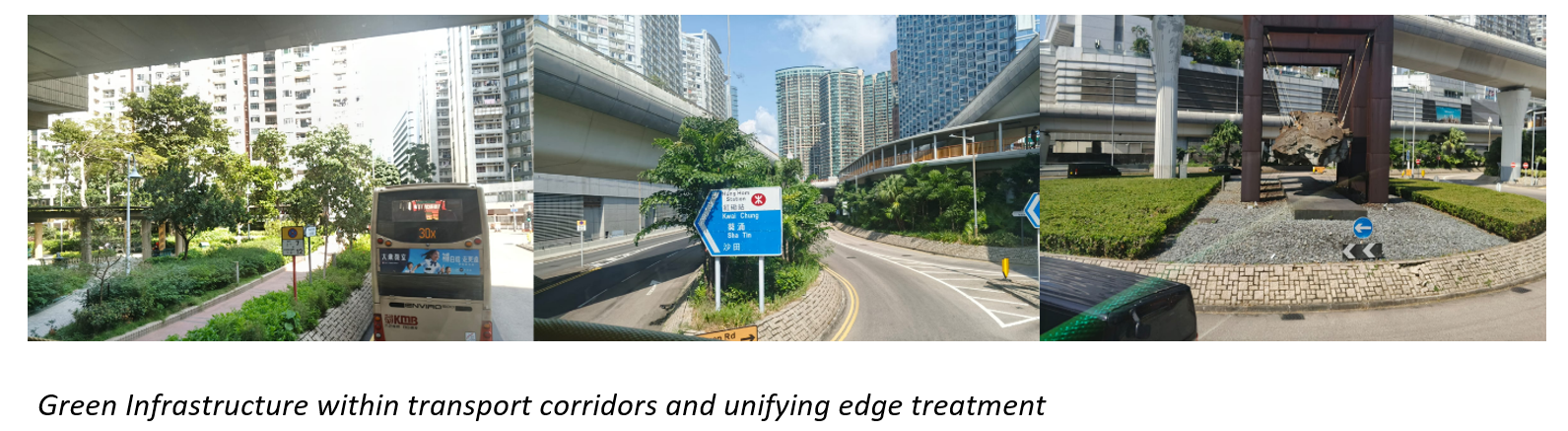
Beyond the formal sessions, Hong Kong itself was an inspiring classroom for landscape architects. At first encounter, Hong Kong's density can be overwhelming. Yet, as one engages more deeply with the city, it becomes evident how green infrastructure acts as the fabric connecting its buildings, transport systems and public spaces. The waterfront linear parks offer particularly valuable lessons on integrating water, mobility and public space within a densely developed urban environment. The number of people using these spaces, both during the day and at night, was a testament to their relevance to everyday urban life.
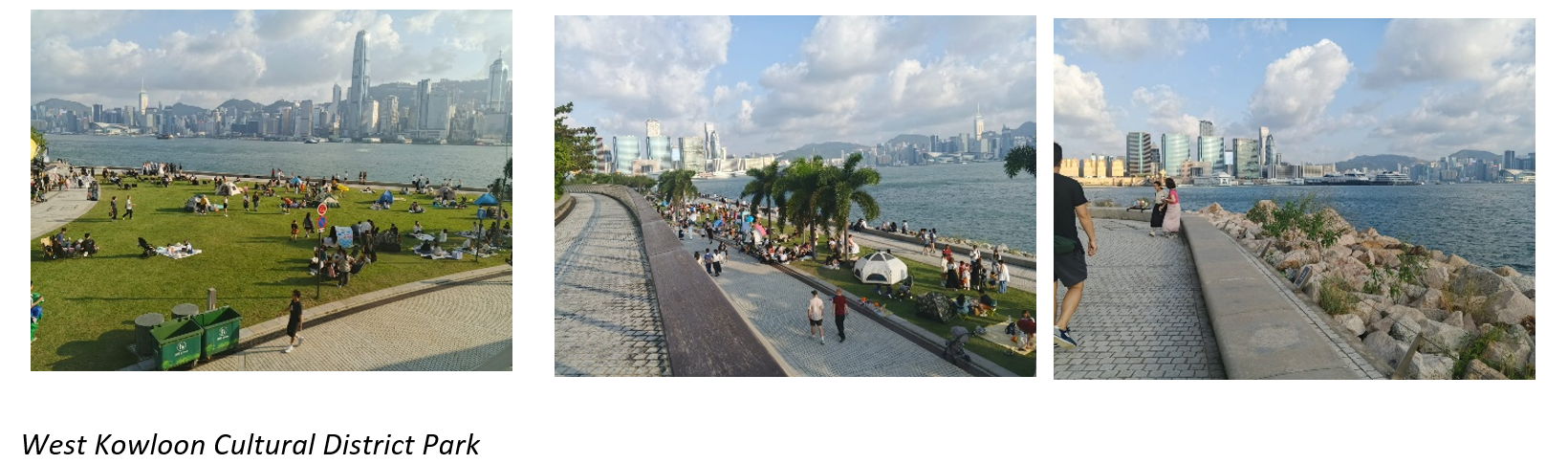
The deliberate treatment of landscape edges along transport corridors and open spaces was equally notable, where a consistent language unifies these spaces and binds the city together."
I left Hong Kong with a renewed appreciation of what landscape architecture can be. Gareth Doherty's keynote, "Landscape Will Be....," particularly challenged the boundaries we often place around our practice. His reflections on the debate over what we call our profession were a reminder that we risk becoming so preoccupied with defining our professional identity that we lose sight of our contribution. One question from his address continues to linger in my mind: "What happens when Landscape Architects have no Land to Scape?"
I invite us all to reflect on this question. How are we defining our practice? What boundaries are we placing around ourselves? Which spaces, disciplines and conversations are we not stepping into effectively? And where must we collaborate more boldly to remain relevant to the challenges facing our continent? Africa's urban, environmental and development challenges demand a profession that is confident in its expertise, expansive in its thinking and willing to occupy new spaces. Let us continue to push those boundaries, strengthen our collective voice and demonstrate the full value of landscape architecture in shaping a sustainable future.
Happy New Month!
