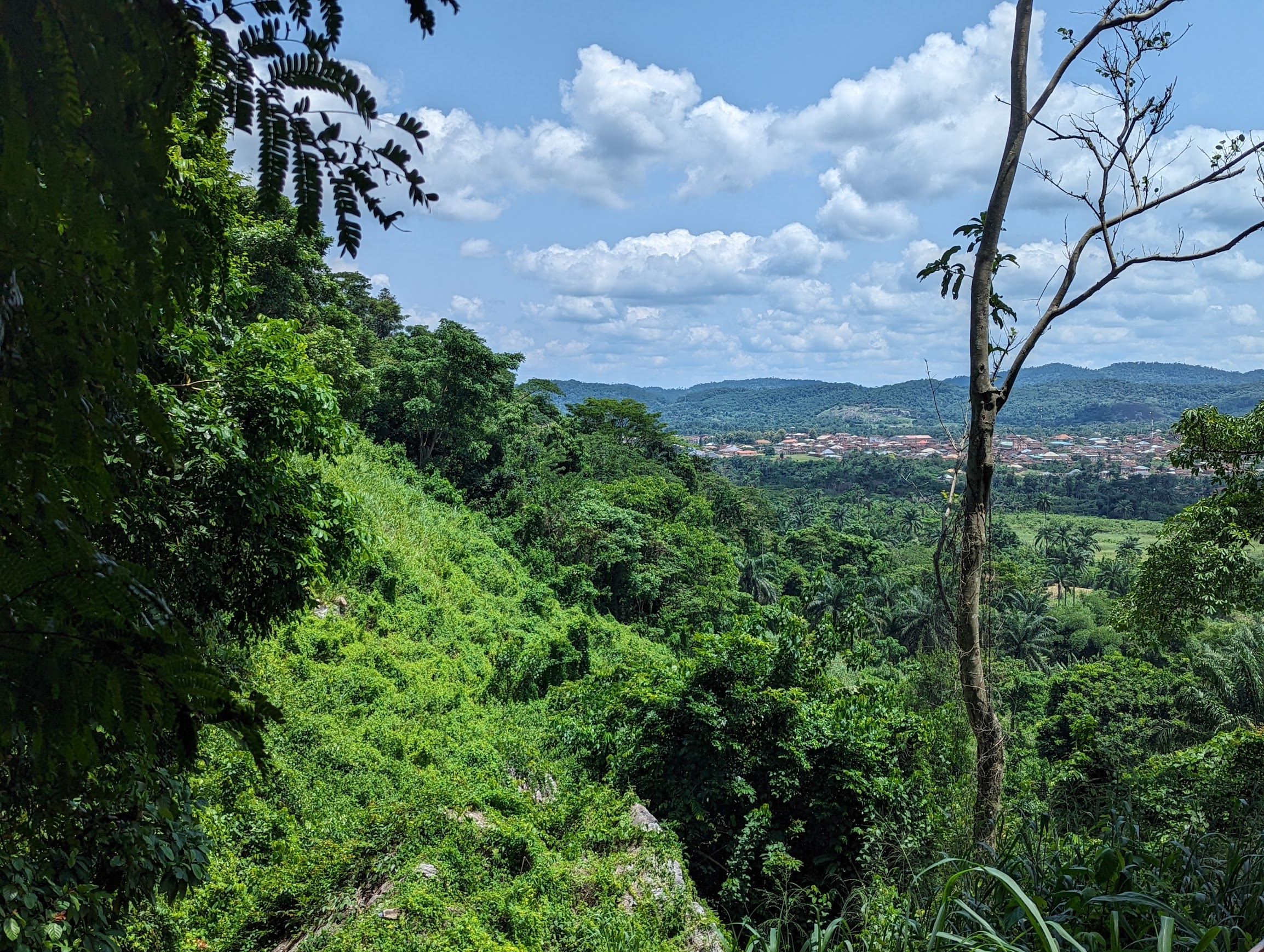

Landscape Architecture and Heritage: Where People, Place, and Memory Meet
ABout the Author/s

Across Africa and around the world, the heritage sector is evolving — becoming more interdisciplinary, more community-focused, and more rooted in lived experience. As this evolution continues, landscape architecture has emerged as one of the most important allies in understanding, protecting, and reshaping the places that hold our collective stories.
Landscape architecture and heritage share a simple truth: people and place are inseparable. Every landscape — natural, cultural, sacred, or urban — holds traces of how humans interact with the environment. As landscape architects, our training positions us uniquely to read these layers, understand them, and help communities shape meaningful futures from them.
In the heritage sector, this translates into many forms of contribution. We assess cultural landscapes, document intangible practices, study ecological histories, and support conservation strategies that honour both nature and culture. Whether it’s a sacred grove, a historic trail, a coastal settlement, or a degraded site whose stories need retelling, landscape architects can bring spatial insight, cultural sensitivity, and ecological intelligence into the heart of heritage work.
Over the years, I’ve had the opportunity to work deeply within this intersection. From documenting cultural practices and landscapes in Ikorodu, to contributing to heritage risk assessments such as at the Osun-Osogbo Sacred Grove, to participating in field missions and interdisciplinary workshops, each project has shown how powerful landscape thinking can be in heritage conservation. Joining global networks like International Council for Museums and Monuments (ICOMOS) and the Association of Critical Heritage Studies (ACHS) has strengthened this understanding — providing spaces where design professionals and heritage scholars can collaborate, challenge one another, and build new pathways for practice.

One of the most compelling roles landscape architects can play is helping communities explore the relationship between people and their environment. Landscapes are living archives: they store memory in soil, plant life, rituals, patterns of use, and even in their absences. Researching these relationships — how people shape landscapes and how landscapes shape people — allows us to craft approaches that are culturally grounded, environmentally responsive, and socially meaningful.
African landscapes face unprecedented pressures, climate change, urban expansion, loss of biodiversity, land degradation and inadequate planning frameworks rooted in Eurocentric systems. We need professionals who are the linkages between nature and culture, who understand that heritage is not only about buildings or artifacts but also about ecosystems, livelihoods, traditions, and the everyday landscapes people call home. The African Landscape Convention (ALC) calls for adaptive, participatory, and culturally rooted stewardship of the land. Landscape architects are uniquely equipped to respond.
As more African countries recognise the importance of heritage and landscape-based approaches, this is an exciting moment for collaboration. Whether through research, design, advocacy, or community partnerships, landscape architects have a crucial role to play in shaping futures that honour both people and place.
The African Landscape Convention invites us to recognise landscapes not only as backdrops to life, but as active partners in our cultural and ecological well-being. For me, and for many practitioners across the continent, this is the work that inspires, grounds, and motivates us to continue building meaningful connections between heritage and landscape.
Our landscapes hold stories worth protecting — and we have the tools to help tell them.
