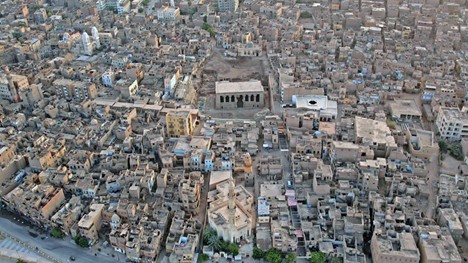

Historic Esna: How Heritage-Led Urban Landscape Revival Redefined a City and Won Global Acclaim
ABout the Author/s
By Rasha Sayed
In a remarkable triumph for both Egyptian heritage and landscape-centric urban design, the Revitalisation of Historic Esna project in Upper Egypt implemented by Takween Integrated Community Development was awarded the prestigious Aga Khan Award for Architecture 2025, placing Esna once again on the global map of exemplary sustainable and community-driven regeneration.
Located on the banks of the Nile about 60 km south of Luxor, Esna had long been overshadowed by more prominent archaeological destinations. For decades, its historic core suffered deterioration and neglect after a barrage constructed in the 1990s diverted Nile cruise traffic — chipping away at tourism and local economic life.
From Neglect to Renewal: A Landscape of Cultural Layers
Rather than limiting itself to the restoration of individual monuments, the revitalization project took a holistic, landscape-oriented approach — one that reshaped the city’s urban fabric, enhanced public spaces, and reinstated cultural and economic activity at the heart of Esna’s historic center.
Key physical and spatial interventions included:
• Adaptive reuse of the 18th-century Wakālat al-Geddāwī caravanserai, transforming it into a focal point for crafts and cultural exchange.
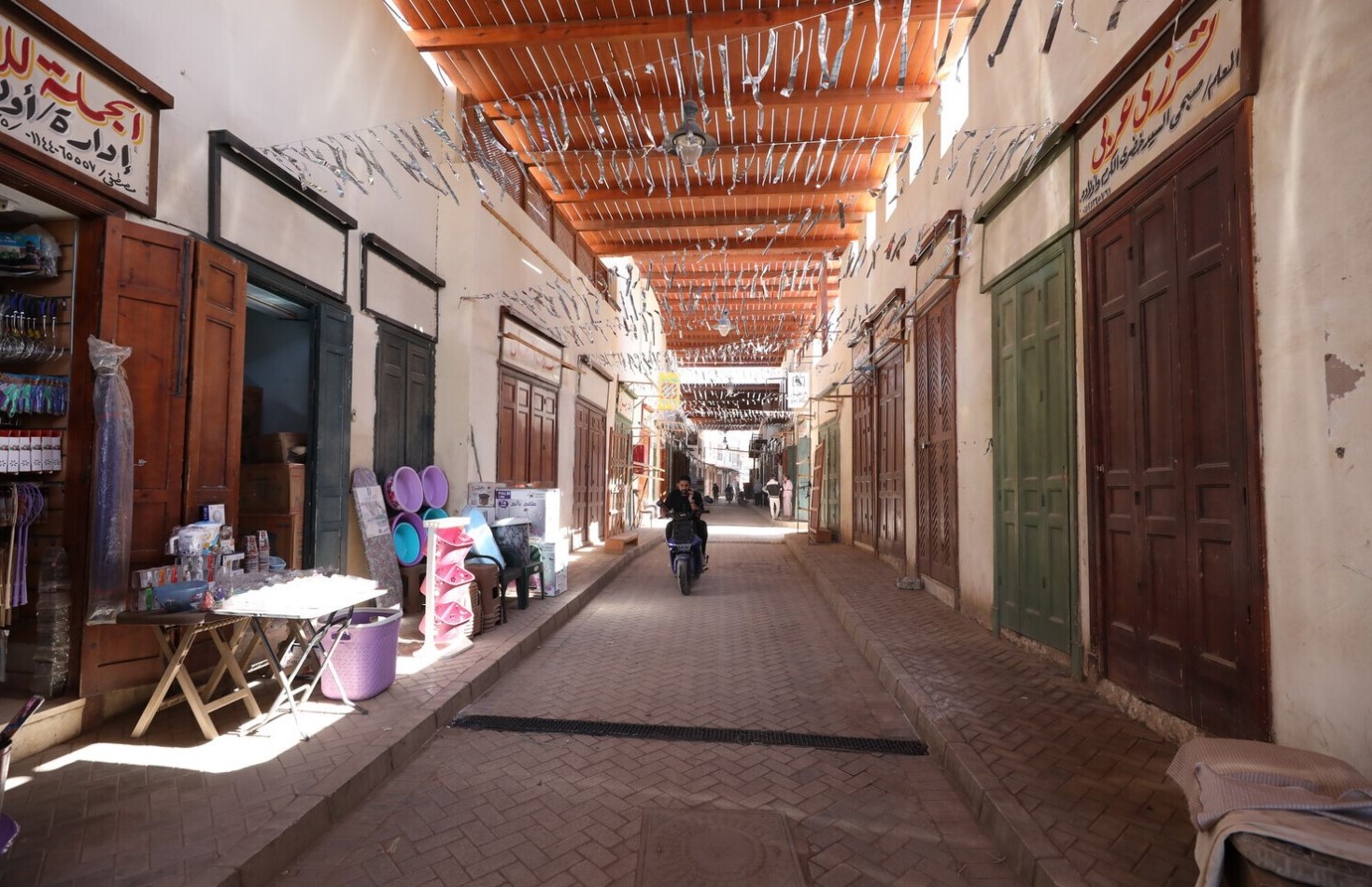
• Restoration and modernization of the traditional Qīsāriyya market street, bringing life back into its shaded lanes and re-establishing it as a vibrant marketplace.
• Rehabilitation of 15 historic buildings and facades, preserving architectural identity while creating new public and economic functions.
• Upgrading infrastructure around the Temple of Khnum, integrating the site more fluidly into the city’s landscape and tourist circulation.
These interventions didn’t just renew buildings — they revitalized the city’s spatial landscape by reactivating public corridors, marketplaces and communal areas that anchor urban life and tourism.
Community-Driven Development at the Core
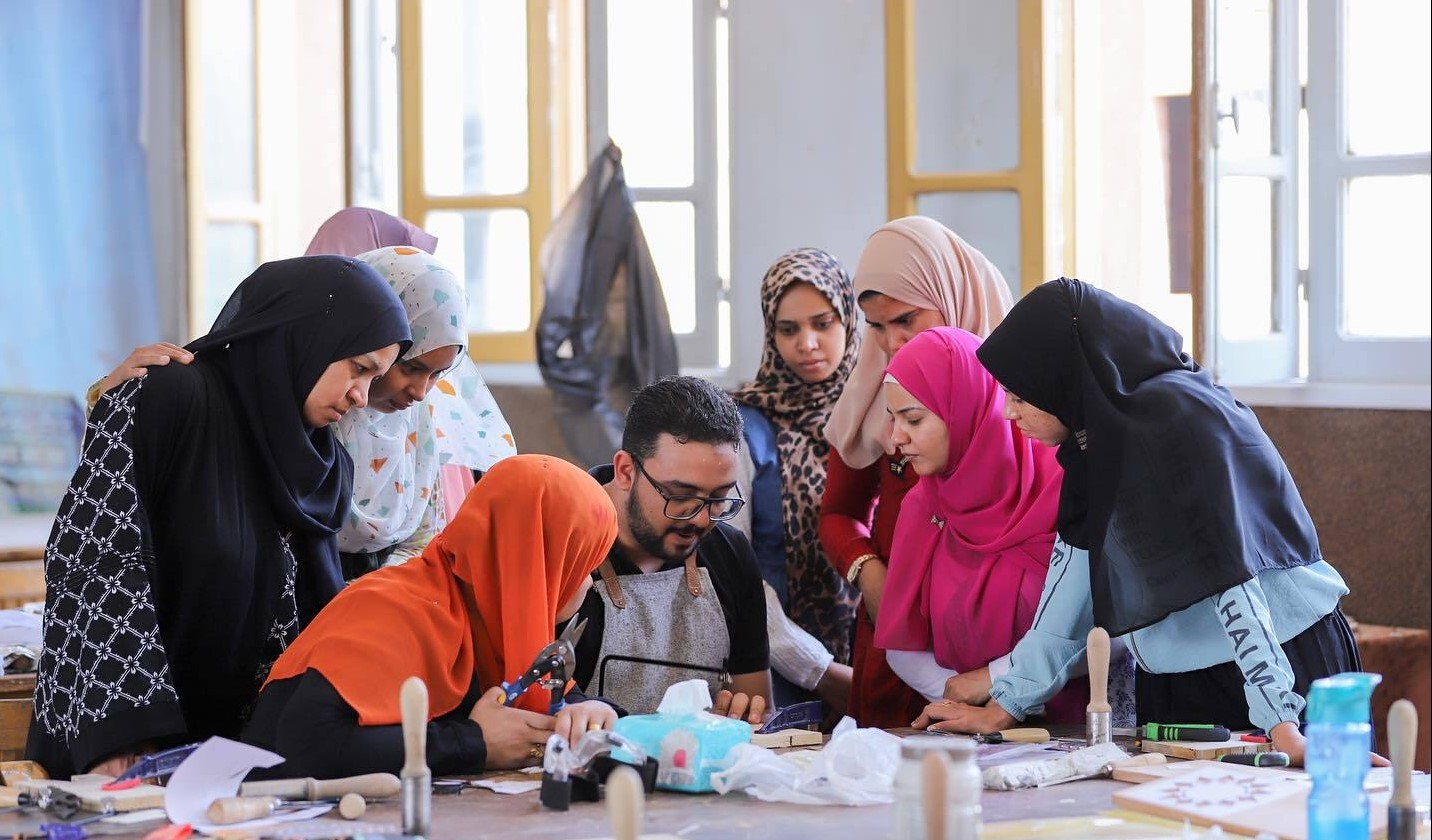
What sets this urban-heritage project apart is its deep integration with local people, turning them into active participants of the transformation process rather than passive beneficiaries. The initiative included:
• Training more than 430 local residents — including women and youth — in traditional crafts, restoration skills, and tourism services.
• Creating new small enterprises, from women-run kitchens to woodworking workshops that celebrate both craft and community identity.
• Expanding economic opportunities in heritage tourism through improved services, public spaces, and cultural branding.
By doing so, the project redefined Esna’s landscape as a living urban system where heritage, economy, and community intertwine.
Recognition on the Global Stage
At a ceremony in Bishkek, Kyrgyzstan, Egypt’s delegation Takween Integrated Community Development the implementation partner, including the Minister of Local Development and the Governor of Luxor, received the Aga Khan Award for Architecture, one of the world’s most prestigious honors for projects that blend cultural heritage, community engagement, and environmental sensitivity.
This accolade marks Egypt’s return to the award stage after more than 20 years, reviving traditions last spotlighted with the Bibliotheca Alexandrina’s recognition in 2004.
A Model for Sustainable Urban Landscape Design
Architects and jurors alike praised Esna’s revitalization as a replicable model for cities seeking to leverage heritage preservation as a catalyst for social and economic renewal. By placing local voices at the heart of design and restoration, the project challenges conventional top-down conservation strategies and champions a collective landscape vision that is both culturally rooted and forward-looking.
As more cities in Egypt and across the region grapple with heritage preservation and urban decline, Historic Esna stands as a testament to what is possible when landscape architecture, community empowerment, and cultural stewardship come together.

Correction issued on 8th April 2026: This text was updated to correctly identify Takween Integrated Community Development as the official lead and recipient of the Aga Khan Award for Architecture.
