
Not From The President's Desk: Green Infrastructure and Urban Resilience: The African Metropolis
ABout the Author/s

More than 60 percent of Africa's total population will live in urban areas by 2050. In the coming decades, Africa's burgeoning population and rapid urbanization will create unprecedented pressure on the continent's cities.
Unfortunately, this rapid urban growth has occurred alongside dramatic climate change and volatility, drastically increasing associated risks. In addition to creating a host of additional issues, these two factors combine to create a significant number of emergencies (caused by extreme weather events such as heat waves, flash flooding, and coastal storms) that threaten not only people’s lives and livelihoods but also the integrity or functionality of cities’ physical infrastructure.
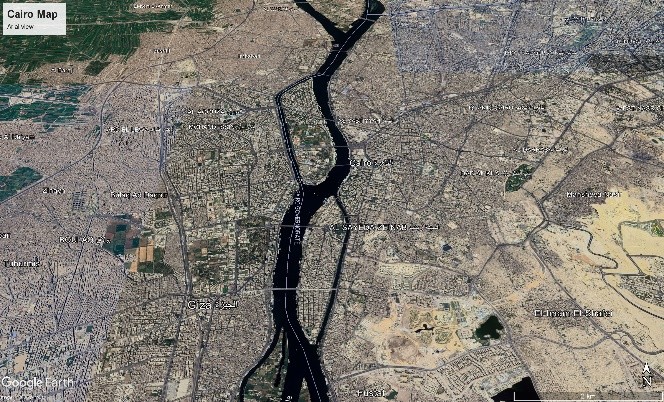
In my work as a landscape architect observing the effects of these changes, I have noticed that Africa is experiencing a "double burden" as a result of these two megatrends (urban growth and climate change). Major urban centres such as Cairo, Lagos, and Nairobi (Figure1) are confronting these extreme weather events, making it essential for the field of landscape architecture to shift from being an art-based profession in the eyes of decision makers, to become a critical within the decision-making process to mitigate the hazards of dense Urban areas.


To meet the challenges of urban growth and climate change, decision makers must recognize that the landscape is part of their larger urban infrastructure systems. Consequently, in addition to implementing traditional infrastructure elements (such as roads and utility systems), decision makers also should start considering green infrastructure elements (such as parks, wetlands, and vegetated corridors) as equals to one another when making decisions regarding the implementation of infrastructure. Historically, designers limited urban infrastructure to either "green" or "gray"; this dichotomy needs to be eliminated.
Green infrastructure also provides effective and efficient alternatives to traditional design methods. For instance, ornamental plantings can be substituted by bioswales, green roofs, and multi-purpose parks that will help manage stormwater run-off, cool neighbourhoods, and provide community-based facilities.
The Urban Heat Island effect (Figure2) presents significant challenges in densely populated neighbourhoods especially in low-income neighbourhoods where there is little air circulation, and hence, heat is trapped because of insufficient ventilation and low vegetation cover. By adding vegetation, temperatures can be regulated through shade and evaporation, while high canopy native trees and vertical green systems will increase cooling efficiency and reduce energy usage.

To accomplish this, changes need to be made at the policy level; collaboration will be needed among several sectors and investments in research and education of native tree species is needed. African cities that prioritize green design in urban development will have opportunities to convert their vulnerabilities into opportunities by protecting the environment and developing better quality-of-life through improving urban resident experience.
