
Across Continents, Through Conversations: Reflections on IFLA 2026 in Hong Kong
ABout the Author/s
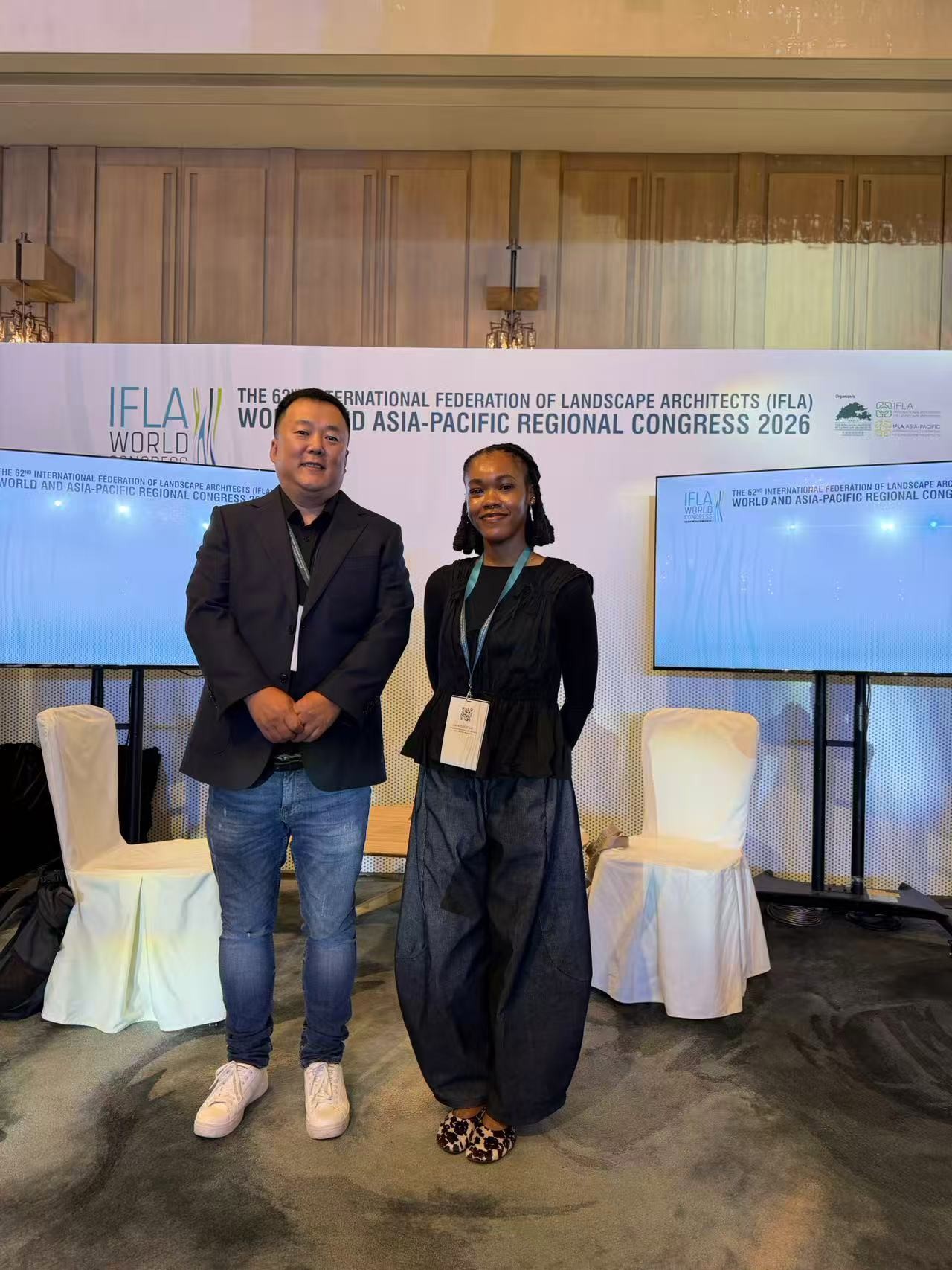
While attending the 2026 International Federation of Landscape Architects (IFLA) World Congress in Hong Kong, I unexpectedly ran into Kekeletso, a young landscape architect from South Africa’s Western Cape, where I am also based. Although we work in the same province, our busy schedules rarely allow us to meet. It took a journey across continents for us to reconnect during a conference coffee break.
Our conversation moved from landscape architecture to landscape urbanism, and then to social equity and inclusion. These subjects are deeply rooted in South Africa’s particular historical and social context. Designers who have lived and worked within that context often share an immediate understanding of its nuances. Even when scholars from different countries use the same terminology, the social assumptions behind those words can differ in subtle but important ways. We enjoyed the exchange and encouraged each other to remain relaxed and confident ahead of our Oral Presentations.
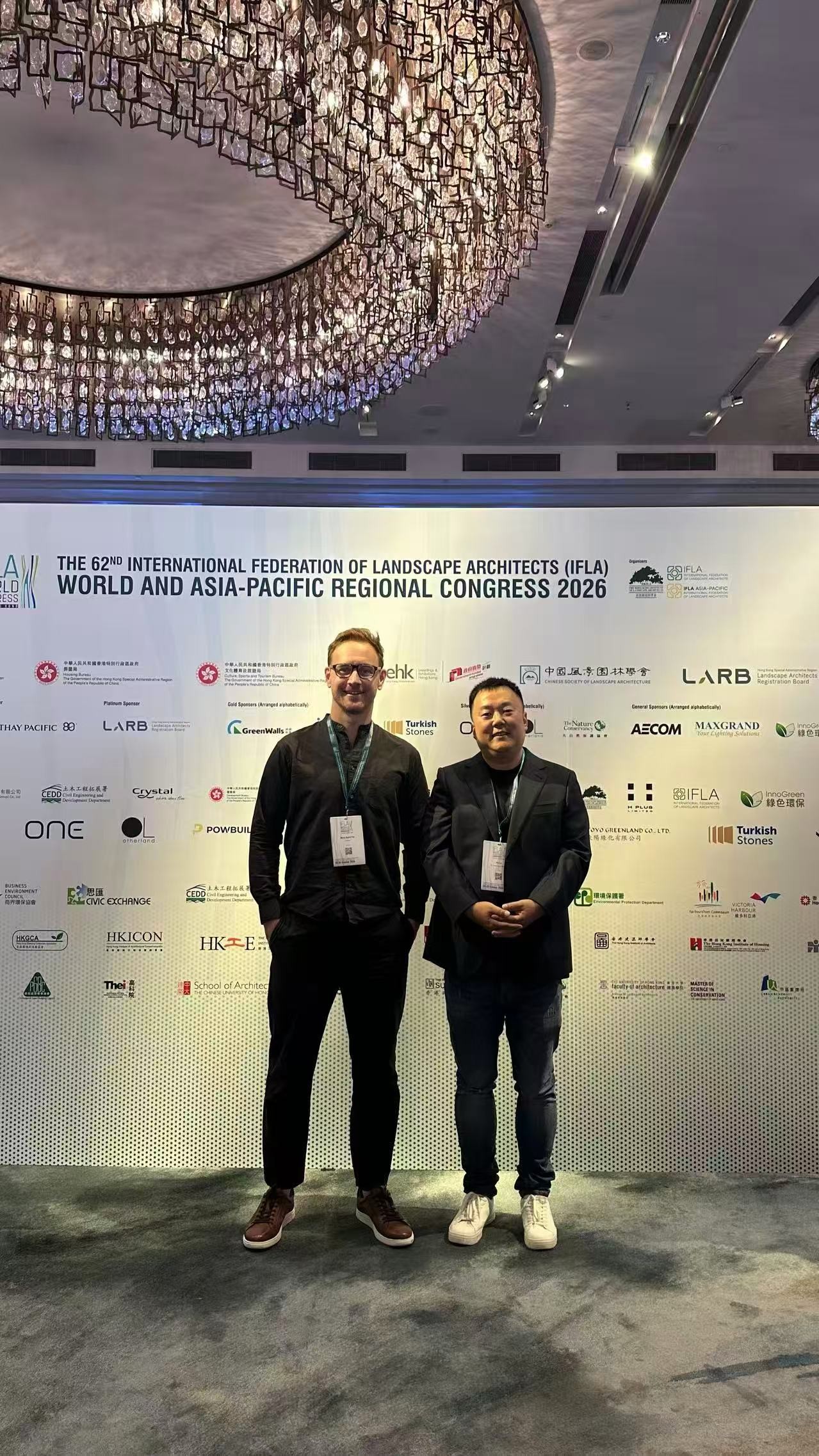
At the congress, I also reunited with an old friend, Mark Saubert-Pol, a leading figure at Squareone who has since relocated to Australia. Years had passed, yet our conversation resumed with remarkable ease. We shared experiences of landscape practice across borders and reflected on the lessons that come from working in different cultural and professional contexts.
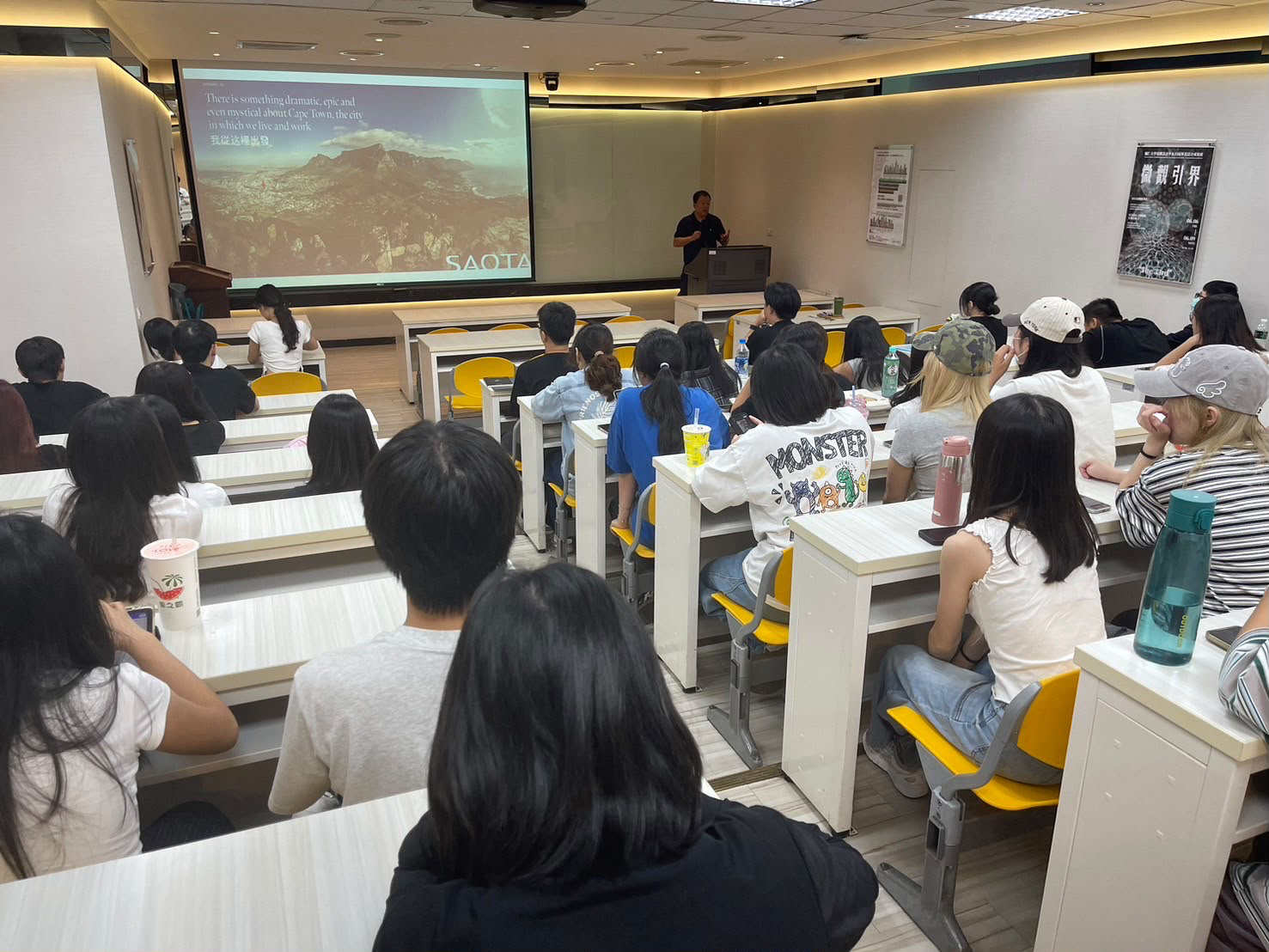
As Head of East Asia at SAOTA, a leading South African architecture practice, I have had the opportunity to contribute to projects across a range of countries and regions. SAOTA’s international project footprint extends to more than 90 countries, while my own professional experience has taken me from South Africa to China, Thailand and other markets. Differences in urban development, social structures and cultural expectations continue to broaden my perspective on the relationship between design and society.
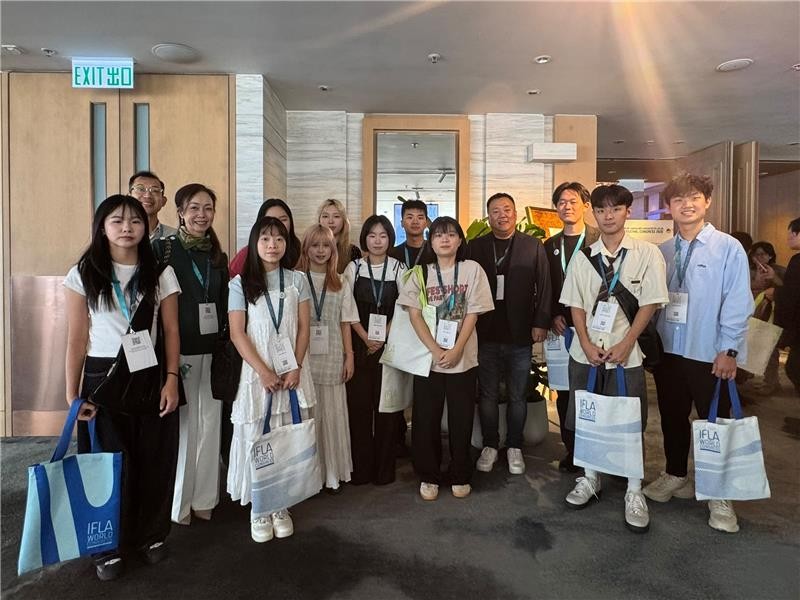
Another particularly meaningful reunion followed. In September, I had been invited to give a guest lecture at Fu Jen Catholic University in Taipei, titled ‘My Landscape Architecture Practice in South Africa’. Just one month later, I met Dr Huang, Head of the university’s Department of Landscape Architecture, along with members of the faculty and student group, again in Hong Kong.
I was delighted to hear that the 12 Fu Jen students who participated in the 2026 IFLA International Student Workshop had contributed to multinational teams that received first-, second- and third-place awards, as well as honourable mentions, and were recognised at the congress. I was sincerely pleased for the students and their lecturers. The reunion also reinforced my hope to foster deeper exchange between East Asia and Africa in landscape practice, research and education.
My own Oral Presentation, delivered in the Theme 7 session, was titled:
From “Just Passing Through” to “Truly Belonging”: Re-thinking Water Landscapes for Wheelchair Users in the Global South
The research explores how wheelchair users experience waterfront public spaces in cities of the Global South. It asks how landscape architecture can move beyond compliance with accessibility standards to engage more fully with spatial equity, social inclusion, dignity and a genuine sense of belonging.
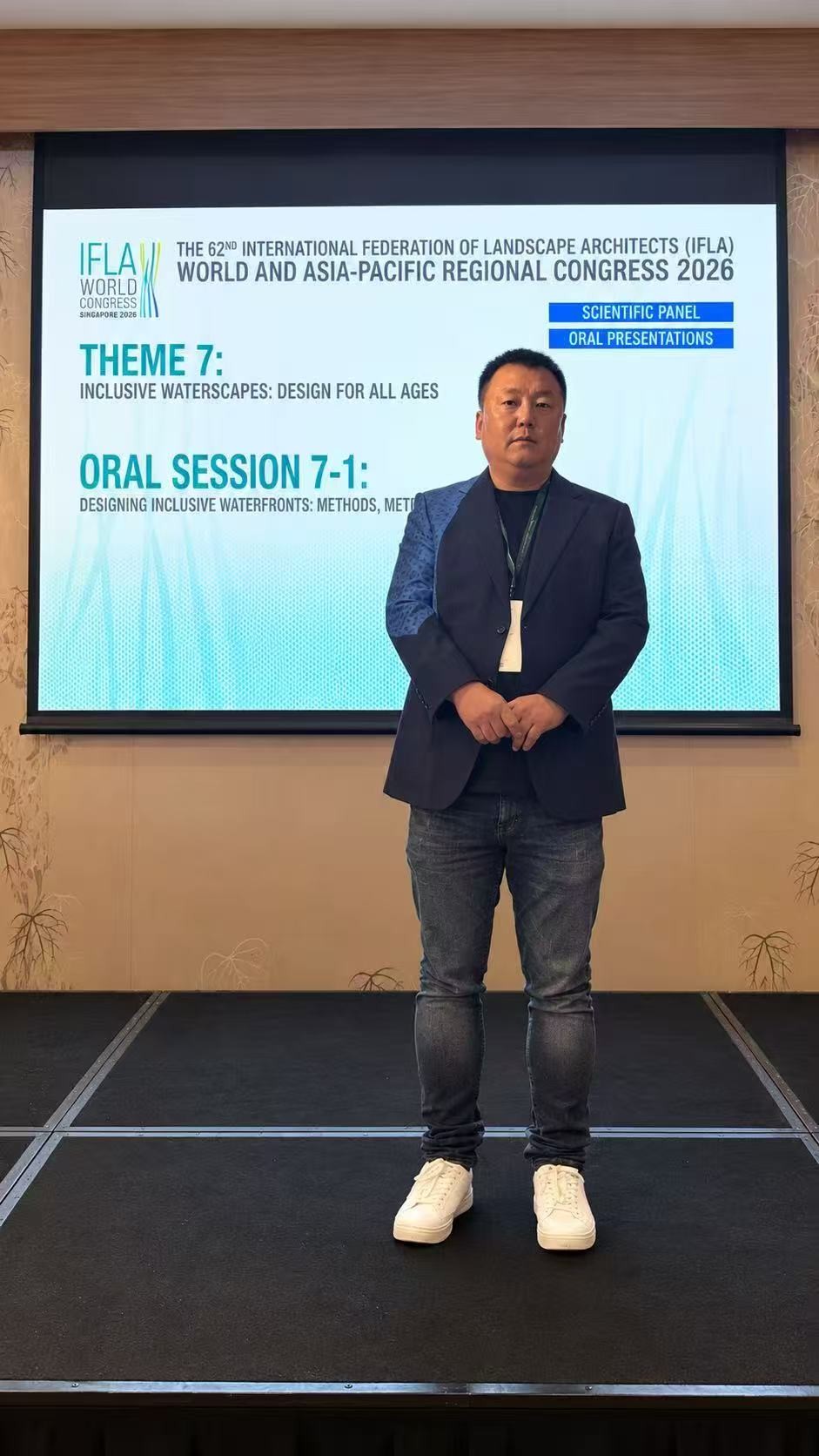
Following the presentation, a postdoctoral researcher from The Hong Kong Polytechnic University approached me to express a strong interest in the topic, which was tremendously encouraging. I also had in-depth exchanges with researchers from The Chinese University of Hong Kong and Harbin Institute of Technology.
Participating in a congress that brings together landscape architects and scholars from around the world was a valuable opportunity to learn, listen and reflect. What struck me most was the originality of the approaches that different researchers brought to similar urban and social challenges. Even when the problems appeared familiar, their cultural backgrounds, disciplinary training and lived experiences led them to frame questions differently and develop distinctive methodologies.
For me, the value of international academic exchange lies not only in presenting one’s own research, but also in discovering how others see the world, frame problems and search for answers.
From South Africa to East Asia, and from professional practice to academic inquiry, these encounters have reaffirmed a conviction that continues to shape my work: the value of landscape architecture lies not only in the spaces we create, but in how those spaces respond to real people and the societies in which they live.
