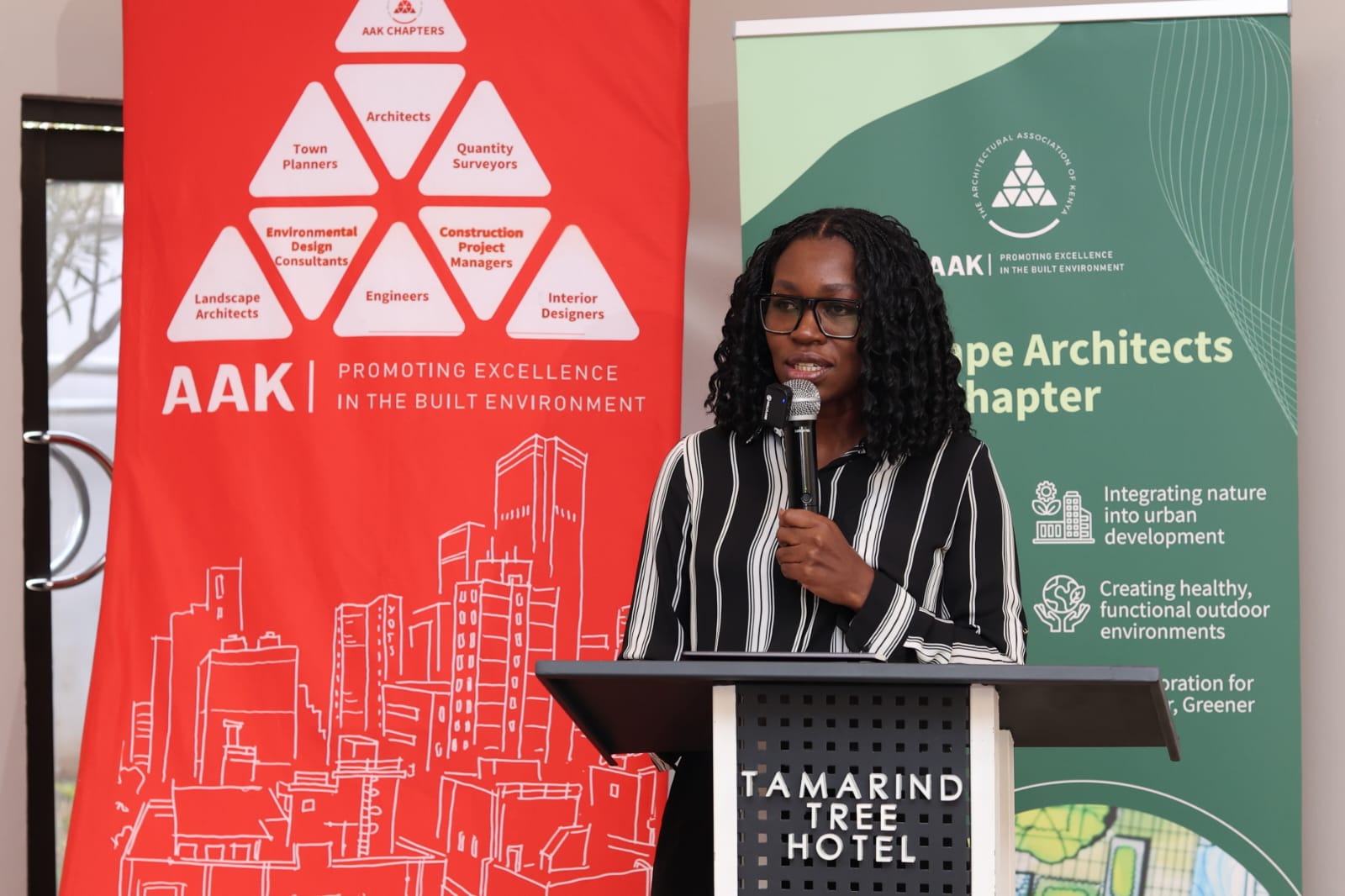

Shared Grounds – Collaborating Among Professionals for a Smarter, Better Environment: AAK Landscape Architects Chapter Symposium
ABout the Author/s
AAK Landscape Architects Chapter Symposium Summary
Theme: Shared Grounds – Collaborating Among Professionals for a Smarter, Better Environment
Venue: Tamarind Tree Hotel, Nairobi
The Architectural Association of Kenya (AAK), through the Landscape Architects Chapter, convened a multi sector symposium focused on strengthening interdisciplinary collaboration, advancing sustainable urbanism, and elevating the role of landscape architecture in national development.
The opening remarks by Arch. George Arabu emphasized professional accountability, peer review, self regulation, and the urgent need for clear frameworks such as standardized fees and recognition of landscape architectural services within Kenya’s regulatory environment. He underscored that landscape architecture should no longer be viewed as an emerging profession but as a central player in shaping public good and safety.
Early sessions highlighted collaborative academic and professional initiatives ranging from joint studios with Swedish, Finnish, German, and Japanese institutions to community driven projects in Mukuru, Ondiri, and across several Kenyan counties. Speakers stressed the importance of shared ground across natural systems, community realities, and climatic pressures.
A major session by the Nairobi Rivers Commission outlined river regeneration as both an ecological and economic imperative. Key themes included integrating infrastructure and ecology, reclaiming riparian corridors, addressing pollution hotspots, and leveraging climate finance and value capture mechanisms. Participants raised concerns around gentrification, public participation, planning failures, and long term timelines for visible impact.
Further presentations explored collaborative practice models in Kenya’s built environment, illustrating success stories such as the Glee Hotel project, where interdisciplinary teamwork produced high impact landscape and spatial experiences. Conversations also addressed professional politics, equitable collaboration, and sustainable fee structures.
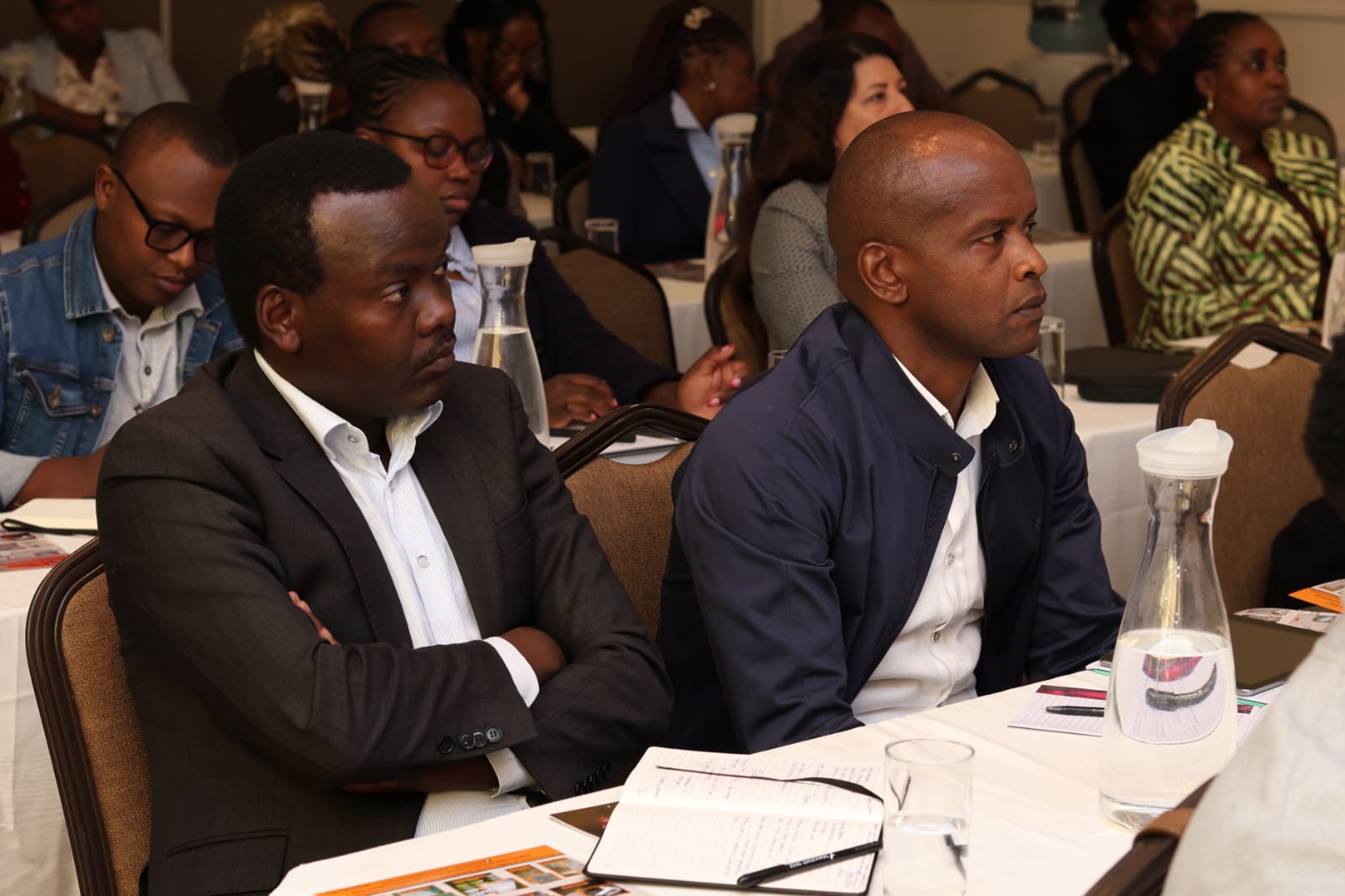
The Laikipia Wildlife Forum contribution emphasized community driven conservation, land use planning, rangeland restoration, invasive species management, and large scale tree growing targets supported through spatial planning and remote sensing technologies.
Policy-focused sessions featured PS Joel Arumonyang, who called for integrated professional practice, digitized development control, strengthened human resource capacity, including the creation of a Chief Landscape Architect position within Public Works, and alignment with global sustainability agendas. Key issues included the national building code review, fee harmonization, one stop approval systems, and elevating landscape architecture across counties.
Technology sessions showcased digital tools for climate responsive design, highlighting the role of BIM, flood risk simulation, and data driven decision making in resilient planning.
The “Landscapes of Equity and Justice” segment explored NMT user oriented design from Japanese case studies, equitable public space design, and social justice frameworks. Presentations emphasized inclusive mobility, shared streets, lighting for safety, child friendly and gender responsive public spaces, and collaborative governance models such as Japan’s community led Shimokita Engei Bu Meadow.
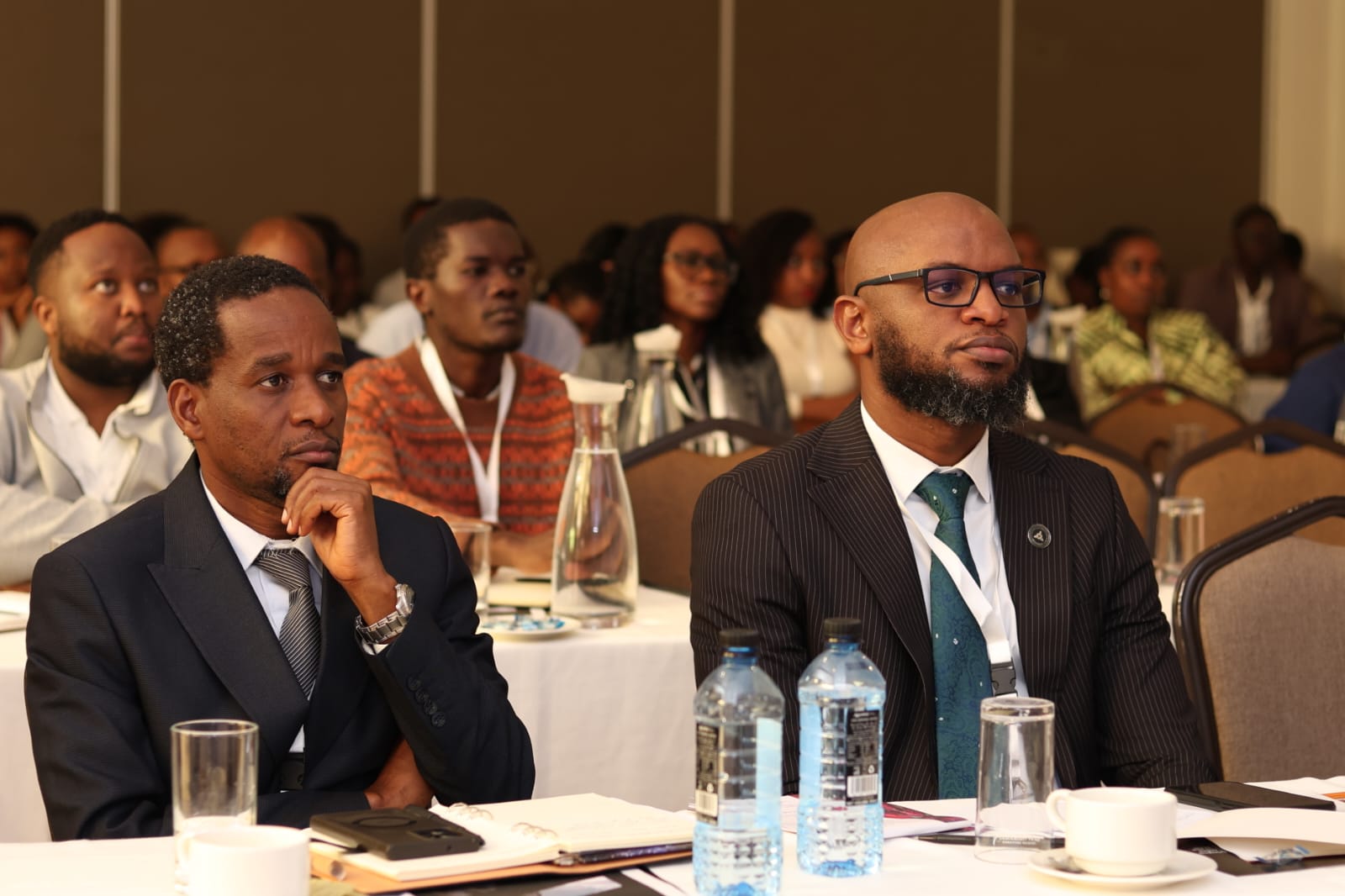
A roundtable on collaborative learning in universities stressed interdisciplinary education, community engagement, critical thinking, mentorship gaps, and the need for stronger links between academia and practice.
Closing remarks underscored the collective responsibility to apply insights from the symposium to transform Kenya’s landscapes into equitable, resilient, and collaboratively shaped environments.
